A lifelong movie buff, James Cutting remembers cowering in the back seat of his parents’ car during a drive-in summer showing of “The Mountain,” a 1956 Spencer Tracy film about a plane crash in the French Alps.
At some point in the harrowing drama, Cutting surprised his parents by poking his head up to join them in watching intently. A shift to triumphal music, he explained to them, had signaled it was safe to do so.
That’s just one of the many ways movies engage our thoughts and emotions, says Cutting, the Susan Linn Sage Professor of Psychology Emeritus in the College of Arts and Sciences. It’s a subject he spent more than a decade researching and explores in depth in a new book, “Movies on Our Minds: The Evolution of Cinematic Engagement,” published Aug. 24.
The book traces the development of popular cinema from its inception to the present day to explain why people have watched more and more movies over the last century, highlighting changes – from sound and color to aspect ratios and shot durations – that have increased viewers’ attention, understanding and emotional involvement in films. Understanding that evolution provides insights into how our minds work, Cutting argues.
“When I watch a good movie, I’m just sucked in,” he said. “I really wanted to know, why do I get sucked in, and why does everyone else get sucked in?”
Cutting discussed his research with the Chronicle.
Question: So, why do movies draw us in psychologically?
Answer: It’s an art form that has evolved to involve us in as many ways as it can – perceptual, cognitive and emotional. And movies tell stories, which are central to our being. We learn from stories, we’re delighted by stories, we’re horrified by stories. The better movies tell stories, the more they engage us.
Q. You write that “movies have been fit to our minds.” How so?
A. Our minds tend to chunk and group things, into what in my field of psychology we call “events.” We impose beginnings, middles and ends on our experience. Films evolved to do that as well. Early films showed slices of life, what the French call “actualités,” but developed to tell stories with narrative structure and style. Scenes became psychological events organized with shots and cuts and dissolves, fade-outs and fade-ins. Movies also tell us about the visual system. For example, they tend to put faces near the center of the screen, which tends to be brighter and have more motion and fills the largest portion of your visual cortex with information. These techniques influence how we perceive, understand and respond emotionally to movies.
Q. How did you study movie structures and how they’ve changed over time?
A. What I’ve done is empirically analyze a century’s worth of popular films, using sampling, statistical methods to look at how their composition has changed across 30 or 40 different norms of film style. For example, the norms include shot and scene durations, which have gotten shorter. I claim they’ve gotten shorter not because our attention spans have grown shorter – a myth – but because our visual processing has become more sophisticated.
Q. The more engaging a movie is, the better, presumably.
A. There’s a tension between engagement and the quality of the movie. We can be really engaged in a movie – can’t look away – while simultaneously thinking it’s vapid. Good movies tell good stories, which can be complicated or slow. I think we judge whether a movie is good or not by the sustained emotional involvement we have with it. How deeply does it touch us? So I don’t think movies are getting “better,” but I do think they are getting more engaging.
Q. Does a movie or scene come to mind that illustrates a change fostering engagement?
A. There’s a wonderful example in “The Graduate” of a manipulation developed in the 1960s called rack focus. At a pivotal moment, the focus changes from the daughter in the foreground to her mother in the background, whose face had been blurred. Our eyes are designed to look at things that are in focus. So the filmmaker is using what we would naturally do to draw our attention, controlling where and how we look.
Q. You say filmmakers create rhythms in movies that are “not unlike those of the human body.”
A. What I’ve discovered with my students is that increasingly over the last 60 or 70 years, popular movies have developed complex, fractal rhythms that are much like the complex patterns we find in our breathing, heart rates and walking. They didn’t used to, but they do now. And the question is, why is that? Maybe these patterns make us feel more comfortable or more engaged. It’s a puzzle.
Q. Any movies you’re looking forward to seeing or would recommend?
A. I usually say my favorite movie is the last one I saw, because I’m still thinking about it. I’ll watch anything that [director] Christopher Nolan has done, although I don’t like all his films. I’m waiting for the next James Bond film to come out, because I’ve seen all of them. I recently binge watched “The Queen’s Gambit” on Netflix and thought it was terrific.
Làm phim đã phát triển như thế nào để thu hút chúng ta
Là một người đam mê phim ảnh, James Cutting nhớ lại cảnh mình run rẩy ở ghế sau xe của bố mẹ trong buổi chiếu phim “The Mountain” vào mùa hè, một bộ phim của Spencer Tracy năm 1956 về một vụ tai nạn máy bay ở dãy núi Alps của Pháp.
Vào một thời điểm nào đó trong vở kịch đau thương, Cutting đã làm cha mẹ ngạc nhiên khi thò đầu lên để cùng họ chăm chú theo dõi. Anh giải thích với họ rằng sự chuyển sang nhạc khải hoàn đã báo hiệu rằng việc đó là an toàn.
Đó chỉ là một trong nhiều cách mà phim ảnh tác động đến suy nghĩ và cảm xúc của chúng ta, Cutting, Giáo sư danh dự về Tâm lý học Susan Linn Sage tại Cao đẳng Nghệ thuật và Khoa học, cho biết. Đây là chủ đề mà ông đã dành hơn một thập kỷ để nghiên cứu và khám phá sâu sắc trong cuốn sách mới, “ Phim ảnh trong tâm trí chúng ta: Sự phát triển của sự tham gia điện ảnh ”, xuất bản ngày 24 tháng 8.
, Nhấp để mở chế độ xem thư viện
Cuốn sách theo dõi sự phát triển của điện ảnh đại chúng từ khi ra đời cho đến ngày nay để giải thích lý do tại sao mọi người xem ngày càng nhiều phim trong thế kỷ qua, đồng thời nêu bật những thay đổi – từ âm thanh và màu sắc đến tỷ lệ khung hình và thời lượng quay – đã làm tăng sự chú ý, hiểu biết và sự tham gia về mặt cảm xúc của người xem vào phim. Cutting lập luận rằng hiểu được sự tiến hóa sẽ cung cấp những hiểu biết sâu sắc về cách thức hoạt động của tâm trí chúng ta.
“Khi tôi xem một bộ phim hay, tôi chỉ bị cuốn hút vào đó”, anh nói. “Tôi thực sự muốn biết, tại sao tôi bị cuốn hút vào đó, và tại sao mọi người khác cũng bị cuốn hút vào đó?”
Cutting đã thảo luận về nghiên cứu của mình với tờ Chronicle.
Câu hỏi: Vậy, tại sao phim ảnh lại thu hút chúng ta về mặt tâm lý?
Trả lời: Đó là một hình thức nghệ thuật đã phát triển để thu hút chúng ta theo nhiều cách nhất có thể – nhận thức, nhận thức và cảm xúc. Và phim ảnh kể những câu chuyện, những câu chuyện đóng vai trò trung tâm trong bản thể của chúng ta. Chúng ta học hỏi từ những câu chuyện, chúng ta thích thú với những câu chuyện, chúng ta kinh hoàng với những câu chuyện. Phim ảnh kể những câu chuyện càng hay thì chúng càng thu hút chúng ta.
H. Ông viết rằng “phim ảnh phù hợp với tâm trí chúng ta”. Tại sao vậy?
A. Tâm trí chúng ta có xu hướng gom nhóm và phân chia mọi thứ thành những thứ mà trong lĩnh vực tâm lý học của tôi gọi là “sự kiện”. Chúng ta áp đặt phần đầu, phần giữa và phần kết vào trải nghiệm của mình. Phim ảnh cũng tiến hóa để làm như vậy. Những bộ phim đầu tiên cho thấy những lát cắt của cuộc sống, mà người Pháp gọi là “actualités”, nhưng được phát triển để kể những câu chuyện với cấu trúc và phong cách tường thuật. Các cảnh trở thành các sự kiện tâm lý được sắp xếp với các cảnh quay, cắt cảnh và hòa trộn, mờ dần và mờ dần. Phim ảnh cũng cho chúng ta biết về hệ thống thị giác. Ví dụ, chúng có xu hướng đặt khuôn mặt gần giữa màn hình, có xu hướng sáng hơn và có nhiều chuyển động hơn, đồng thời lấp đầy phần lớn vỏ não thị giác của bạn bằng thông tin. Những kỹ thuật này ảnh hưởng đến cách chúng ta cảm nhận, hiểu và phản ứng về mặt cảm xúc với phim ảnh.
H. Bạn đã nghiên cứu cấu trúc phim như thế nào và chúng đã thay đổi ra sao theo thời gian?
A. Những gì tôi đã làm là phân tích theo kinh nghiệm một thế kỷ giá trị của các bộ phim nổi tiếng, sử dụng các phương pháp lấy mẫu, thống kê để xem cách thành phần của chúng đã thay đổi như thế nào qua 30 hoặc 40 chuẩn mực khác nhau về phong cách phim. Ví dụ, các chuẩn mực bao gồm thời lượng cảnh quay và cảnh quay, đã trở nên ngắn hơn. Tôi khẳng định rằng chúng trở nên ngắn hơn không phải vì khoảng chú ý của chúng ta đã ngắn hơn – một huyền thoại – mà là vì quá trình xử lý hình ảnh của chúng ta đã trở nên tinh vi hơn.
H. Có lẽ một bộ phim càng hấp dẫn thì càng tốt.
A. Có sự căng thẳng giữa sự tham gia và chất lượng của bộ phim. Chúng ta có thể thực sự tham gia vào một bộ phim – không thể rời mắt – trong khi đồng thời nghĩ rằng nó thật nhạt nhẽo. Những bộ phim hay kể những câu chuyện hay, có thể phức tạp hoặc chậm. Tôi nghĩ chúng ta đánh giá một bộ phim hay hay không bằng sự tham gia cảm xúc liên tục mà chúng ta có với nó. Nó tác động đến chúng ta sâu sắc như thế nào? Vì vậy, tôi không nghĩ rằng phim ảnh đang trở nên “hay hơn”, nhưng tôi nghĩ rằng chúng đang trở nên hấp dẫn hơn.
H. Bạn có nhớ đến bộ phim hoặc cảnh nào minh họa cho sự thay đổi thúc đẩy sự gắn kết không?
A. Có một ví dụ tuyệt vời trong “The Graduate” về một sự thao túng được phát triển vào những năm 1960 được gọi là rack focus. Vào một khoảnh khắc quan trọng, tiêu điểm thay đổi từ cô con gái ở tiền cảnh sang người mẹ ở hậu cảnh, người có khuôn mặt đã bị làm mờ. Mắt chúng ta được thiết kế để nhìn vào những thứ được lấy nét. Vì vậy, nhà làm phim đang sử dụng những gì chúng ta thường làm để thu hút sự chú ý của mình, kiểm soát vị trí và cách chúng ta nhìn.
H. Ông nói các nhà làm phim tạo ra nhịp điệu trong phim “không khác gì nhịp điệu của cơ thể con người”.
A. Điều tôi khám phá ra với học sinh của mình là trong 60 hoặc 70 năm trở lại đây, các bộ phim nổi tiếng đã phát triển các nhịp điệu phức tạp, fractal rất giống với các mô hình phức tạp mà chúng ta tìm thấy trong hơi thở, nhịp tim và cách đi bộ của mình. Trước đây chúng không như vậy, nhưng bây giờ thì có. Và câu hỏi là, tại sao lại như vậy? Có lẽ những mô hình này khiến chúng ta cảm thấy thoải mái hơn hoặc gắn kết hơn. Đó là một câu đố.
H. Bạn đang mong chờ được xem hoặc muốn giới thiệu bộ phim nào không?
A. Tôi thường nói bộ phim yêu thích của tôi là bộ phim cuối cùng tôi xem, vì tôi vẫn đang nghĩ về nó. Tôi sẽ xem bất cứ bộ phim nào mà [đạo diễn] Christopher Nolan đã làm, mặc dù tôi không thích tất cả các bộ phim của ông ấy. Tôi đang chờ bộ phim James Bond tiếp theo ra mắt, vì tôi đã xem tất cả chúng. Gần đây tôi đã xem liên tục “The Queen’s Gambit” trên Netflix và thấy nó thật tuyệt.
“Awe” will surprise, spontaneously leaping into our minds.
It’s wonderful to discover and celebrate new finds.
Often “Wonder” will follow, pausing to create and inspire.
Many times generating excitement and lighting a fire.
Sometimes our creative minds will “Wander” about.
Finding multiple surprises that cause us to shout.
AWW: Awesome acronyms may lead the way.
Try to remember some and start the new day.
The Post Bulletin publishes poetry by local and area writers every Tuesday. Send poems to Meredith Williams at life@postbulletin.com.
Kingdom Verses features a collection of poems based in the Bible and some of which bring awareness to the unsettling current political events and culture and everyday life situations that many people encountered.
The longevity of these poems has embraced for decades, and has recently taken momentum. Happiness was the first among them and was compiled in Collected Whispers, The International Library of Poetry, 2008. Kingdom Verses implies that it originates from God; a gift to His humble servant.
Kingdom Verses is one of two books in the Kingdom Books series that comes with tracks downloadable from cdbaby.com. It aspires to bring hope, comfort, and peace to people, to help face these troublesome times in a globalized culture of changes especially this age of the COVID-19 pandemic.
Over the years, the poems evolved from the Traditional style poem, to the more Contemporary poetic prose. It is the authors desire and expectation that Kingdom Verses will powerfully serve its purpose for which it was intended to. This compilation provides enlightenment and motivation where you need it.
Kingdom Verses Author: Rhoda Benjamin Publisher: Your Online Publicist Published Date: August 2021 Genre: Inspirational, Poetry Target Audience: Non-specific. All ages, socio-economic status, race, cultural, experience trauma and challenges, and need HOPE.
About the Author
Rhoda Benjamin, better known to many as June Barry, was born in England and grew up in the beautiful Spice Island of Grenada, West Indies, for which she is forever grateful. She is the fourth of six daughters (The Barry Sisters), to Agnes and DeCosta Barry. The Barry Sisters are well known for their beautiful, harmonious singing.
She lived in England for several years, and currently resides in Huntsville, Alabama, USA. For decades, her extensive professional background in Behavioral Health and Nursing Education, has been coupled with a passion in poetry. That passionate expression in which she delivers her poetry, has been recognized as a gift from God and out of character for her usual quiet persona.
Rhodas strong desire is to transform lives with her poetic prose, arouse awareness, and bring HOPE and inspiration to others, in this troubled world. She anticipates that Her first CD and Book Kingdom Verses will achieve just that and actualize her vision. She is happily married to Finbar Benjamin, and they are the proud parents of a beautiful and gifted musician, Esther Benjamin.
This news content may be integrated into any legitimate news gathering and publishing effort. Linking is permitted.
News Release Distribution and Press Release Distribution Services Provided by WebWire.
 by BRIANNA GOEBEL August 23, 2021
Brianna is StyleBlueprint’s Associate Editor and Staff Writer. She is an avid fan of iced coffee and spends her free time reading all things true crime.
While most of us have likely heard the buzz surrounding popular virtual book clubs like Belletrist, Book of the Month, and Reese’s Book Club, we did a deep dive and discovered four additional book clubs, what makes them stand out, and what they’re currently reading. Whether you’re a fan of the good old-fashioned subscription box, podcasts, or group discussions, this collection of book clubs offers a little something for bookworms of all sorts.
13 Must-Read Picks from Book Clubs We Love
The Readheads Book Club
The Readheads Book Club is a podcast and book club created by Jackie Oshry of The Morning Toast and is co-hosted by Margo Oshry, Rebecca Rittenburg, and Dana Holz. New episodes are posted every month, and their laid-back vibe makes it feel like you’re sitting in a room with your close girlfriends gushing over a new book. In the past, The Readheads have discussed The Nature of Fragile Things by Susan Meissner, Layla by Colleen Hoover, and Red, White & Royal Blue by Casey McQuiston.
The Readheads’ current pick is We are The Brennans by Tracey Lange. Released earlier this month, the story follows 29-year-old Sunday Brennan as she wakes up in a hospital after a drunk driving accident she caused. Sunday has no choice but to return home to her family and ex-fiancé she abandoned five years earlier. Soon, both Sunday and her family must reveal their deepest secrets to save themselves and their business, showing the power of shame, love, and redemption.
In We are The Brennans by Tracey Lange, the Brennan family must figure out how to come together after being torn apart by dark secrets. Image: Amazon
Before Tracey Lange’s novel, The Readheads dove deep into Klara and the Sunby Kazuo Ishiguro. Released in early March, the novel tells the story of Klara, an artificial friend who watches life and people pass her by from a store’s window display. The compelling story offers insight into the future of artificial intelligence, how technology can affect our futures, and the power of love and loneliness.
Created by Eva, founder of Poppy Loves London, Poppy Loves Book Club places a special emphasis on community. New books are selected every month, and discussions are held within the organization’s private Facebook group. The club’s monthly subscription rate is about $7 and includes access to the private Facebook page, yoga classes, workshops, and more. The group is best described as “a celebration of you, friendship, camaraderie, and community.”
During August, members of Poppy Loves Book Club are reading Dominicana by Angie Cruz. The book tells the story of 15-year-old Ana Cancion, who is recently engaged and has plans to move to America from the Dominican Republic. However, she soon finds herself lonely and stuck in an unhappy marriage. When Ana tries to escape, she is stopped by her husband’s carefree brother and forced to decide what kind of life she wants for herself.
Inspired by a true story, Angie Cruz’s Dominicana tells the story of a young immigrant who must decide whether to follow her heart or her head. Image: Amazon
Next month, members of Poppy Loves Book Club will be picking up Greenwood by Michael Christie. The story follows the lives of four family members, each living in a different era and working for the Greenwood lumber empire. The book describes the rise and fall of the family as they struggle with love, greed, crime, and secrets.
Girly Book Club
Erin Woodward started Girly Book Club (GBC) in 2008 to make connections in a new city. Today, the book club is the largest in the world and connects women from across the globe, including the United States, Asia, Europe, Canada, and more. Every member reads the same book and then meets up at the end of the month to discuss the story. While GBC’s in-person events have temporarily paused due to COVID-19, the book club has pivoted to a virtual format, often hosting interviews with authors.
This month, Girly Book Club members are reading Beach Read by Emily Henry. The story follows the surprising friendship between January Andrews, a romance writer, and Augustus “Gus” Everett, a literary fiction writer. After becoming temporary neighbors for the summer, the two enter a bet where January must write the next great American novel and Gus must write a book with a happy ending. The catch? They can’t fall in love.
Soak up the final days of summer with Beach Read by Emily Henry. Image: Amazon
Next up on Girly Book Club’s reading list is From The Ashes by Jesse Thistle. The story is a memoir with themes of resilience and hope as Jesse recalls how his time living on the streets and dropping out of high school led him to where he is now as an Indigenous scholar. “Not only is it the official GBC title for September, but it’s an incredible true story of personal victory that will have you up way past your bedtime as you cheer Jesse on through some very low lows, hard lessons, and finally, his ultimate triumph,” says Erin.
Feminist Book Club
Feminist Book Club is so much more than a monthly subscription box. In addition to books, your packages will include at least three items from small women- and queer-owned businesses, such as candles, body scrubbers, tea towels, and snackable treats. Memberships begin at $12 per month and include access to a monthly Zoom discussion and secret Facebook page, a handwritten note from a Feminist Book Club team member or the club’s founder, exclusive members-only items, and opportunities to help choose the next book. Plus, to ensure you’re receiving a variety of genres, each month’s box revolves around a timely theme, such as “back to school” or “beach reads.” You can also purchase a one-time-only bundle curated around genres like poetry, personal development, contemporary fiction, and more.
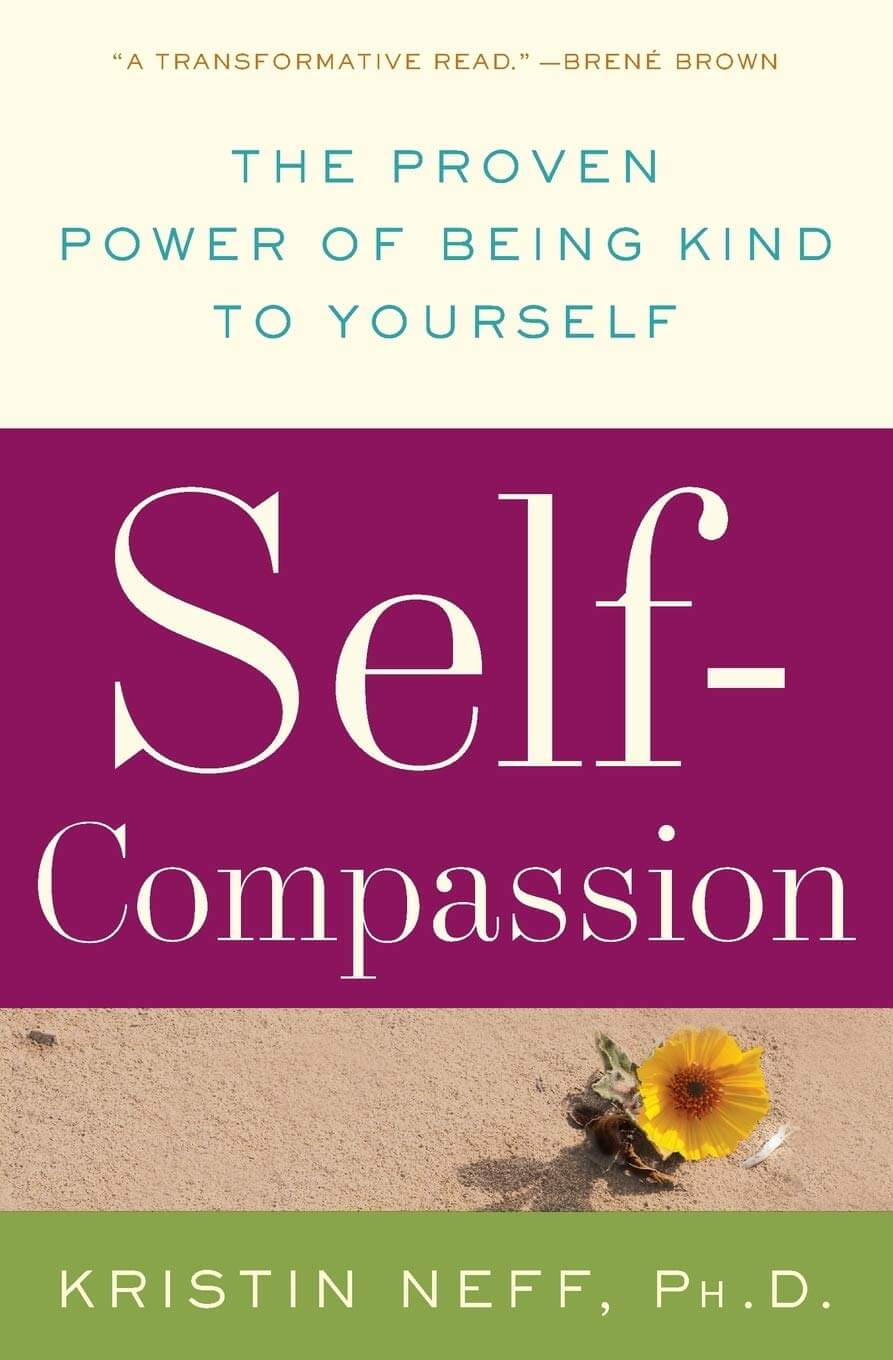
Daring Greatlyby Dr. Brené Brown and Self-Compassion by Dr. Kristin Neff are currently options in Feminist Book Club’s personal development bundle. Both books teach readers how to become a better version of themselves. Throughout Daring Greatly, Dr. Brown disproves the idea that vulnerability is a weakness. Instead, she demonstrates how vulnerability can lead to a more courageous and engaging life, and ultimately, to making more meaningful connections. Self-Compassion, on the other hand, teaches readers how to be kind to themselves. Dr. Neff walks you through the process of silencing self-criticism in order to achieve your dreams.
Self-Compassion by Dr. Kristin Neff is a step-by-step guide on how to stop destructive emotional patterns in order to live a happier, healthier life. Image: Amazon
Feminist Book Club CEO and founder Renee Powers also recommends She Kills Me: The True Stories of History’s Deadliest Women by Jennifer Wright, which is slated to be released Tuesday, September 28. Just in time for the upcoming spooky season, the novel combines true crime and history. “While most modern true crime specials center women as victims, history often overlooks the women who did the murdering,” says Renee. “Jennifer Wright tells the stories of 40 women who killed — some out of necessity or revenge, and some simply for pleasure — in this gripping and gruesome collection.”
Renee is also excited for Gabrielle Union’s upcoming biography You Got AnythingStronger?, which is scheduled to be released Tuesday, September 14. The book picks up right where her first memoir We’re Going to Need More Wine left off. “As her career continues to thrive, her marriage has deepened and her family has evolved,” explains Renee. “I eagerly await the stories she has to tell this time. I’m sure they’ll make me laugh so hard I’ll cry and cry so hard I’ll laugh.”
Time to sit back, relax, and cozy up with a new book!
Amir Suhail Wani· Education··6 min readworks as R&D Engineer with SA Power Utilities Private Ltd besides being Comparative Studies scholar and a columnist at The Kashmir Monitor | (Amir Suhail Wani làm việc với tư cách là Kỹ sư R&D tại SA Power Utilities Private Ltd bên cạnh việc là học giả Nghiên cứu so sánh và là chuyên gia viết bài cho tờ The Kashmir Monitor)| Ngày 23 tháng 8 năm 2021
Mir Ghulam Rasool Nazki – The Poet of Wisdom
It would suffice to say that modernity has knit, by virtue of its technological improvisations, humanity into single whole, while simultaneously splitting the human self and making it susceptible to intellectual, spiritual and social disintegration. The theory of particulate and singular human nature in the realm of psychology has been replaced by bundle theory. Literature is under invasion, philosophy is crumbling, religion has taken back seat and social institutions reflect the deepest chaos. This disintegration in the realm of human self-brought about by modernity has mutated human self in innumerable ways and mutilated it by hundred thousand literary and intellectual weapons. One of the tragedies this disintegration has brought about is that modern men, most of them, have given up their quest for unified knowledge and holistic understanding of the world. Each of us has been confined to our intellectual cocoons so much so that we have started producing intellectuals who know more and more about less and less till they paradoxically end up knowing everything about nothing or more surprisingly knowing nothing about anything. This has not been how things were till recent past where the mystic and the scientist, the poet and scholastic, the Hakeem and Hakim used to be combined in one man. Even in the greats of science we come across giants who were polymaths and this quality of polyvalency allowed them to extract a better picture of the world humanity is situated in and a deeper understanding of their own selves, so as to free themselves from the intellectual, spiritual and pragmatic conundrums each one of us is subjected to. The only difference being that their era and their episteme left open to them a vast horizon to resolve these existential issues whereas we have been made to suffer at the hands of implosion of meaning and made to withstand the vertigo of meaninglessness and euphoric nihilism. One is often straddled between Huxley’s “Brave New World” and Orwellian techie World envisaged in his celebrated novel 1984. Both these authors envisaged, in their respective ways, the world mankind was about to enter. Zubbof’s recent book “Age of surveillance capitalism” takes this line of thinking further to rechristen the art of prophetology in an era of soft technology. But all of these and many others of their family like Fukuyama have merely felt satisfied to reveal to the future of horizon. They may be at times worried about a thing or so, but none of them traces the influence of all these pervading novel technologies on human core, our essence, cultural archetypes and the sense of self alienation, all these technologies will bring about. It was Eliot’s in his celebrated “Wasteland” who mourned at a world, humanity was all set to enter with all technological uproar. On Similar lines, Alexis Carrel, Writing “Man the unknown” in 1935 mourned at the loss of integrated “science of man” and “colonisation of man” by different sciences which were disconnected with each other in such an abhorrent manner that no universal, consistent, integral, holistic and inclusive understanding of man could be arrived at. This state of affairs has been our fate for past century with each decade heralding further decay and dissipation. This theme has been reverberated by Will Durant in the beginning of his much celebrated and quite popular text “the story of philosophy”.
This epistemological disintegration in which we have been made to bear to witness to verigated forms of social and intellectual chaos shall form the baseline in any attempt that genuinely aims to understand the true import of Nazki’s poetry and prose and his contemporary relevance vis a vis his integrative and holistic approach to man and issues that we are behest with on individual and collective plane. Look at his poetry, to begin with, his quatrains in particular. One is but astounded at the “spectrum of topics” this man touches upon and the specialist treatment that he metes out to each topic. He speaks about God and religion in the spirit of Hakeem (Gnostic), about society and societal issues as a well-trained “social-pathologist”, about culture, loss of culture and essence of culture as a full scale cultural theorist, about science in the spirit of poignant critique, about art like an ace art critique of his time, about Islam and prophet (saw) as somebody whose soul is dyed by the very dye of Quran and Sunnah. Took up his Kashmiri Kulyaat, which has been recently compiled and published, by his worthy son Ayaz Rasool Nazki, open up any page at random, and behold – the relevance and contemporaneous nature of Nazki will not be lost to you. There seems hardly anything under the sun – and even beyond, that does not find space in his quatrains. The existential, socio-political, religious, spiritual, metaphysical, familial and wide variety of issues that we collide with head on everyday have been solved in such a subtle way and with such a penetrating depth of vision that one finds himself not only consoled psychologically, but more importantly one get satisfied existentially. He is a fine exemplar of intellectual eclecticism and emotional inclusivity. A true lover of the prophet (saw), as his poetry reveals, he was, on the other hand, as Avtar Mota narrated to me personally, that he was one of the greatest scholars of Kashmiri Shaivism. His vastness, open mindedness, spirit-intellectual inclusiveness is not and shall not lost to the reader. He has decided to look at life from a widest possible angle and how pertinent this wide angle is to us today, where each one of us is lost in “mind of one’s own” and a dizzying intellectual vertigo is reigning the horizon. I leave the task to art critics, to evaluate the artistic value of his art, to look for underlying hierarchies, to subject it to deconstruction, to invade his literary castle with “arsenal of literary criticism”, and all of this will be an exercise worth undertaking. But what I am interested in, is the Gnostic (Hikmah) aspect of his poetry. His poetry really belongs to wisdom poetry, the poetry that is transhistorical, transpersonal and transnational and addresses the perennial questions confronting human existence.
Suheyl Umar in his essay “That I may See and tell – Significance of Iqbal’s wisdom poetry” informs us of four fold division of poetry
1. Contemplative poetry in which content dominates the form.
2. Poetry where sublimation of feelings is dominant.
3. Poetry of lexical and Linguistic techniques which thrives upon skilful deployment of similes, metaphors, parables.
4. Poetry of literary embellishment and rhetorical devices.
Omar goes on to postulate that Iqbal’s poetry predominantly belongs to the first category where ma’na (inner meaning) dominates the Surah (Form). Nazki, being a predecessor to Iqbal and his ace imitator, by default falls in same zone of poetry and it is the characteristic of this poetry, and corollary for Nazki too, to transform finite into infinite, to visualise ocean in drop, to envisage universe in atom, to awaken man to his deepest spiritual and intellectual possibilities. Anybody, who reads Nazki’s poetry in the spirit of impartiality shall find him at par with great wisdom poets of the world and it is this integrating wisdom that shall save us and those coming after us from the intellectual dissipation, existential disintegration, spiritual obfuscation and social revulsion. Keeping in view the premise on which this article rests that modernity has caused all around dissipation and desperation, shall not poets like Nazki, who envisaged these issues, before us, and devised appropriate shield to save ourselves from incoming calamities, occupy our intellectual and literary horizon all the more. If poetry “is”, as Altaf Hussain Haali rightly described it, an instrument among instruments to stimulate different parts of body to their bestial and carnal responses, then we may no longer adore Nazki. But if poetry is as Hali ought it to be a juzvi paigambari, then we must celebrate Nazki, now and ever and join him in chorus, to find the deepest of our existential queries finding satiating and satisfying answers, and sing with him
Chỉ cần nói rằng hiện đại đã đan kết, nhờ những cải tiến công nghệ của mình, nhân loại thành một thể thống nhất, đồng thời chia cắt bản ngã con người và khiến nó dễ bị tan rã về mặt trí tuệ, tinh thần và xã hội. Lý thuyết về bản chất con người đơn lẻ và riêng lẻ trong lĩnh vực tâm lý học đã được thay thế bằng lý thuyết bó. Văn học đang bị xâm lược, triết học đang sụp đổ, tôn giáo đã lùi về phía sau và các thể chế xã hội phản ánh sự hỗn loạn sâu sắc nhất. Sự tan rã này trong lĩnh vực bản ngã con người do hiện đại gây ra đã làm biến đổi bản ngã con người theo vô số cách và làm nó bị tàn phá bởi hàng trăm nghìn vũ khí văn học và trí tuệ. Một trong những bi kịch mà sự tan rã này gây ra là hầu hết những người đàn ông hiện đại đã từ bỏ việc tìm kiếm kiến thức thống nhất và sự hiểu biết toàn diện về thế giới. Mỗi người chúng ta đã bị giới hạn trong kén trí tuệ của mình đến mức chúng ta bắt đầu sản sinh ra những nhà trí thức ngày càng biết nhiều hơn về ít hơn và ít hơn nữa cho đến khi họ kết thúc một cách nghịch lý là biết mọi thứ về không có gì hoặc đáng ngạc nhiên hơn là không biết gì về bất cứ điều gì. Mọi thứ không diễn ra như vậy cho đến tận quá khứ gần đây, khi nhà huyền môn và nhà khoa học, nhà thơ và học giả, Hakeem và Hakim thường được kết hợp trong một người. Ngay cả trong số những nhà khoa học vĩ đại, chúng ta cũng bắt gặp những người khổng lồ là những người uyên bác và phẩm chất đa diện này cho phép họ trích xuất một bức tranh tốt hơn về thế giới mà nhân loại đang sống và hiểu sâu hơn về bản thân họ, để giải thoát bản thân khỏi những câu đố về trí tuệ, tâm linh và thực dụng mà mỗi người chúng ta đều phải chịu đựng. Sự khác biệt duy nhất là thời đại và nhận thức luận của họ đã mở ra cho họ một chân trời rộng lớn để giải quyết những vấn đề hiện sinh này trong khi chúng ta phải chịu đựng sự bùng nổ của ý nghĩa và phải chịu đựng sự chóng mặt của sự vô nghĩa và chủ nghĩa hư vô hưng phấn. Người ta thường bị giằng xé giữa “Thế giới mới tươi đẹp” của Huxley và Thế giới công nghệ theo kiểu Orwell được hình dung trong cuốn tiểu thuyết nổi tiếng 1984 của ông. Cả hai tác giả này đều hình dung, theo cách riêng của họ, thế giới mà nhân loại sắp bước vào. Cuốn sách gần đây của Zubbof “Thời đại của chủ nghĩa tư bản giám sát” đưa dòng suy nghĩ này đi xa hơn nữa để đổi tên nghệ thuật tiên tri trong kỷ nguyên công nghệ mềm. Nhưng tất cả những người này và nhiều người khác trong gia đình họ như Fukuyama chỉ cảm thấy hài lòng khi tiết lộ cho tương lai của chân trời. Đôi khi họ có thể lo lắng về một điều gì đó, nhưng không ai trong số họ theo dõi ảnh hưởng của tất cả những công nghệ mới đang lan tỏa này đối với cốt lõi con người, bản chất của chúng ta, các nguyên mẫu văn hóa và cảm giác tự xa lánh, tất cả những công nghệ này sẽ mang lại. Chính Eliot trong tác phẩm nổi tiếng “Wasteland” của ông đã than khóc cho một thế giới, nhân loại đã sẵn sàng bước vào với tất cả sự náo động về công nghệ. Tương tự như vậy, Alexis Carrel,Viết “Con người vô danh” năm 1935 than khóc cho sự mất mát của “khoa học về con người” và “sự thực dân hóa con người” tích hợp bởi các khoa học khác nhau, vốn bị ngắt kết nối với nhau theo cách ghê tởm đến mức không thể đạt được sự hiểu biết phổ quát, nhất quán, toàn diện, toàn diện và bao hàm về con người. Tình trạng này đã là số phận của chúng ta trong thế kỷ qua với mỗi thập kỷ báo trước sự suy tàn và tan rã hơn nữa. Chủ đề này đã được Will Durant nhắc lại trong phần mở đầu của tác phẩm nổi tiếng và khá phổ biến của ông “câu chuyện triết học”.
Sự tan rã về mặt nhận thức luận mà chúng ta phải chứng kiến những hình thức hỗn loạn xã hội và trí tuệ đã được xác minh sẽ tạo thành đường cơ sở cho bất kỳ nỗ lực nào thực sự nhằm hiểu được ý nghĩa thực sự của thơ ca và văn xuôi của Nazki và sự liên quan đương đại của ông đối với cách tiếp cận toàn diện và tích hợp của ông đối với con người và các vấn đề mà chúng ta phải tuân theo trên bình diện cá nhân và tập thể. Hãy xem thơ của ông, để bắt đầu, đặc biệt là các khổ thơ bốn dòng của ông. Người ta chỉ kinh ngạc trước “phổ chủ đề” mà người đàn ông này đề cập đến và cách xử lý chuyên môn mà ông dành cho từng chủ đề. Ông nói về Chúa và tôn giáo theo tinh thần của Hakeem (Gnostic), về xã hội và các vấn đề xã hội như một “nhà bệnh lý học xã hội” được đào tạo bài bản, về văn hóa, sự mất mát của văn hóa và bản chất của văn hóa như một nhà lý thuyết văn hóa toàn diện, về khoa học theo tinh thần phê phán sâu sắc, về nghệ thuật như một nhà phê bình nghệ thuật lão luyện của thời đại ông, về Hồi giáo và nhà tiên tri (saw) như một người có tâm hồn được nhuộm bởi chính màu sắc của Kinh Qur’an và Sunnah. Đọc Kashmiri Kulyaat của ông, mới được biên soạn và xuất bản gần đây, bởi người con trai đáng kính Ayaz Rasool Nazki, hãy mở bất kỳ trang nào một cách ngẫu nhiên, và hãy xem – sự liên quan và bản chất đương đại của Nazki sẽ không bị mất đối với bạn. Dường như hầu như không có điều gì dưới ánh mặt trời – và thậm chí ngoài kia, không tìm thấy chỗ trong những câu thơ bốn dòng của ông. Các vấn đề hiện sinh, chính trị xã hội, tôn giáo, tâm linh, siêu hình, gia đình và nhiều vấn đề khác nhau mà chúng ta va chạm trực diện hàng ngày đã được giải quyết theo một cách tinh tế như vậy và với chiều sâu tầm nhìn sâu sắc đến mức người ta thấy mình không chỉ được an ủi về mặt tâm lý, mà quan trọng hơn là người ta cảm thấy thỏa mãn về mặt hiện sinh. Ông là một hình mẫu tuyệt vời của chủ nghĩa chiết trung về trí tuệ và sự bao hàm về mặt cảm xúc. Một người thực sự yêu mến nhà tiên tri (saw), như thơ của ông tiết lộ, mặt khác, như Avtar Mota đã kể lại với tôi, rằng ông là một trong những học giả vĩ đại nhất của Kashmiri Shaivism. Sự bao la, cởi mở, bao gồm cả tinh thần và trí tuệ của ông không và sẽ không bao giờ mất đi đối với người đọc. Ông đã quyết định nhìn cuộc sống từ góc độ rộng nhất có thể và góc độ rộng này có liên quan như thế nào đến chúng ta ngày nay, khi mỗi người chúng ta đều lạc vào “tâm trí của chính mình” và một cơn chóng mặt trí tuệ đang ngự trị ở chân trời. Tôi để lại nhiệm vụ cho các nhà phê bình nghệ thuật, đánh giá giá trị nghệ thuật của nghệ thuật của ông, tìm kiếm các hệ thống phân cấp cơ bản, đưa nó vào quá trình giải cấu trúc, xâm chiếm lâu đài văn học của ông bằng “kho vũ khí phê bình văn học”, và tất cả những điều này sẽ là một bài tập đáng thực hiện. Nhưng điều tôi quan tâm là khía cạnh Gnostic (Hikmah) trong thơ của ông. Thơ của ông thực sự thuộc về thơ trí tuệ, thơ siêu lịch sử, siêu cá nhân và siêu quốc gia và giải quyết những câu hỏi lâu đời mà sự tồn tại của con người phải đối mặt.
Suheyl Umar trong bài luận “Để tôi có thể thấy và kể – Ý nghĩa của thơ ca trí tuệ Iqbal” đã cho chúng ta biết về bốn cách phân chia thơ ca
1. Thơ chiêm nghiệm trong đó nội dung chi phối hình thức.
2. Thơ ca là nơi sự thăng hoa của cảm xúc chiếm ưu thế.
3. Thơ ca về kỹ thuật từ vựng và ngôn ngữ phát triển mạnh mẽ nhờ sử dụng khéo léo các phép so sánh, ẩn dụ, ngụ ngôn.
4. Thơ ca có sự tô điểm văn chương và biện pháp tu từ.
Omar tiếp tục đưa ra giả thuyết rằng thơ của Iqbal chủ yếu thuộc về thể loại đầu tiên, trong đó ma’na (ý nghĩa bên trong) thống trị Surah (Hình thức). Nazki, là người tiền nhiệm của Iqbal và là người bắt chước tuyệt vời của ông, theo mặc định rơi vào cùng một phạm vi thơ ca và đó là đặc điểm của thơ ca này, và hệ quả đối với Nazki, là biến hữu hạn thành vô hạn, hình dung đại dương trong giọt nước, hình dung vũ trụ trong nguyên tử, đánh thức con người với những khả năng tâm linh và trí tuệ sâu sắc nhất của mình. Bất kỳ ai đọc thơ của Nazki với tinh thần vô tư sẽ thấy ông ngang hàng với những nhà thơ trí tuệ vĩ đại của thế giới và chính trí tuệ tích hợp này sẽ cứu chúng ta và những người đến sau chúng ta khỏi sự phân tán trí tuệ, sự tan rã hiện sinh, sự che khuất tâm linh và sự ghê tởm xã hội. Xét đến tiền đề mà bài viết này dựa vào rằng hiện đại đã gây ra sự tan rã và tuyệt vọng khắp nơi, thì những nhà thơ như Nazki, người đã hình dung ra những vấn đề này, trước mắt chúng ta, và nghĩ ra lá chắn thích hợp để cứu chúng ta khỏi những tai họa sắp tới, sẽ không chiếm lĩnh chân trời trí tuệ và văn học của chúng ta nhiều hơn nữa sao. Nếu thơ ca “là”, như Altaf Hussain Haali đã mô tả một cách chính xác, một công cụ trong số các công cụ để kích thích các bộ phận khác nhau của cơ thể để đáp ứng với những phản ứng xác thịt và thú tính của chúng, thì chúng ta có thể không còn tôn thờ Nazki nữa. Nhưng nếu thơ ca như Hali nên là một juzvi paigambari, thì chúng ta phải tôn vinh Nazki, bây giờ và mãi mãi và cùng ông ấy hợp xướng, để tìm ra những câu hỏi sâu sắc nhất về sự tồn tại của chúng ta, tìm ra những câu trả lời thỏa mãn và thỏa mãn, và hát cùng ông ấy
“Nếu đây là thơ, thì thơ chỉ đơn thuần là sự kỳ diệu của ngôn từ. Chúng ta nên kiềm chế thơ ca như vậy, vì thơ thực sự là một thông điệp.”
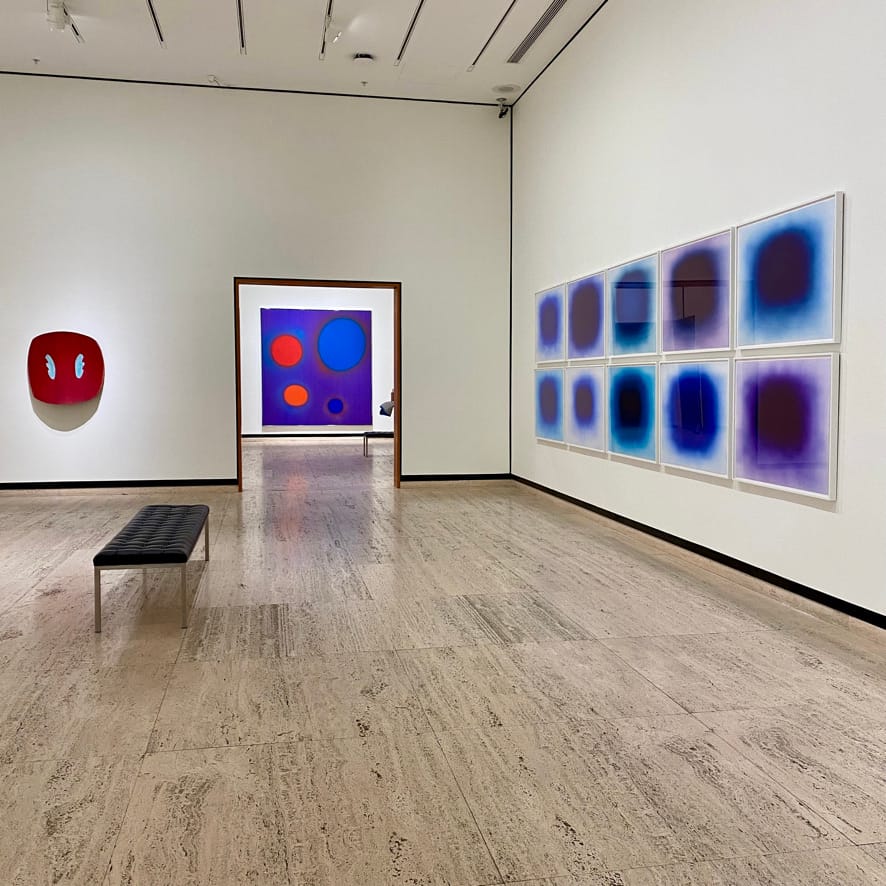
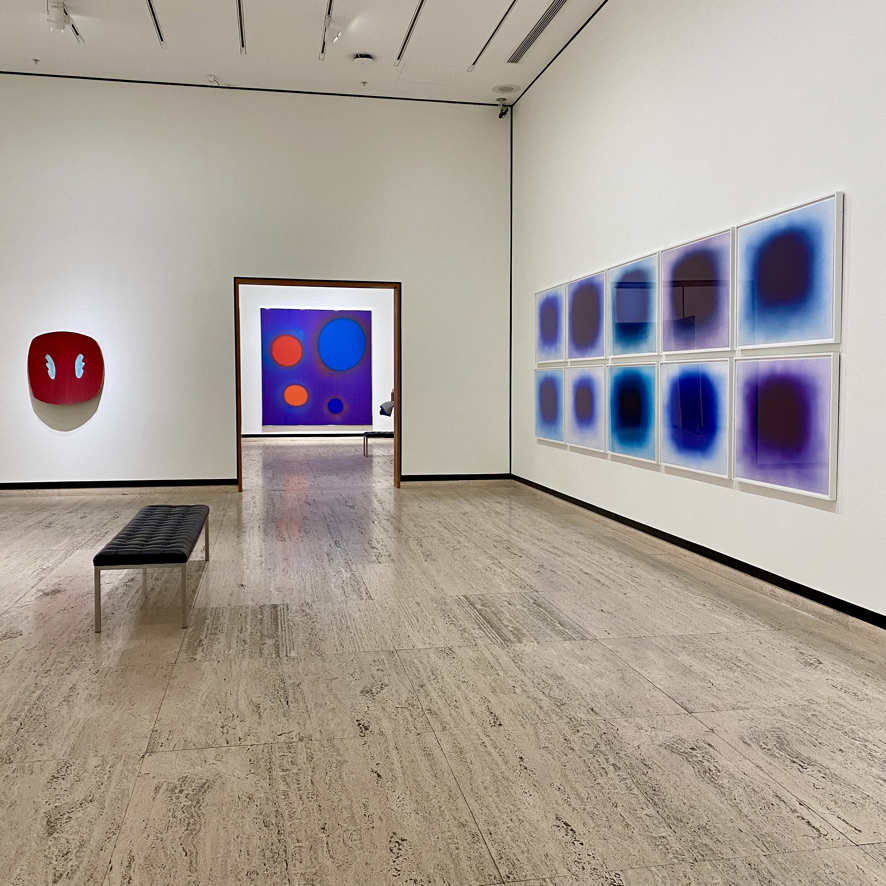
Works by Ron Gorchov, Dan Christensen, and Anish Kapoor are on view at Sheldon Museum of Art in the exhibition “Point of Departure.”
Sheldon Museum of Art at the University of Nebraska–Lincoln has opened four new exhibitions for the fall semester. Each draws from the museum’s collection of nearly 13,000 objects to offer a thematic presentation that fosters inquiry, discovery, and opportunities for students, faculty and staff, alumni, and visitors to engage with art and one another.
Through December 31, Sheldon presents the exhibitions: “Point of Departure: Abstraction 1958–Present,” “The Nature of Waste: Material Pathways, Discarded Worlds,” “Framing a Legacy: Gifts from Ann and James Rawley,” and “Sheldon Treasures.”
“Point of Departure: Abstraction 1958–Present” surveys the evolution of abstraction from the late 1950s—after the first wave of artists associated with abstract expressionism—to the present.
The exhibition’s title is drawn from a 1958 jazz recording by Andrew Hill that both exemplifies and defies its time. Hill’s music had its roots in a post-Monk, hard-bop style, pushing it to the edge of free jazz and, as the title indicates, into new territory. Abstraction in visual art, like Hill’s music, continues its evolution.
Abstraction is one of the strengths of Sheldon’s collection. Seminal holdings of early modernism in America inspired acquisitions of key postwar works associated with abstract expressionism. With persistence, this focus has continued to the present. Recent additions to the collection provide inclusive presentation of diverse voices and perspectives that lead to more profound and accurate discussions of abstraction. To that end, Point of Departure includes six recent acquisitions and four loans from local collections.
“The Nature of Waste: Material Pathways, Discarded Worlds” presents a holistic investigation into waste streams, by surveying artworks that use as inspiration our castoffs, leftovers, junk, detritus, scarcity, and ruins. With subjects ranging from nineteenth-century ragpickers to the ecocritical practices of the present day, the works highlight waste’s complex relationship with colonialism and industrial production.
This exhibition was organized by Katie Anania, assistant professor of art history in the School of Art, Art History & Design. Exhibition support is provided by Hixson-Lied Endowment, Nebraska Arts Council, Nebraska Cultural Endowment, Sheldon Art Association, and the University of Nebraska–Lincoln’s Daugherty Water for Food Institute.
“Framing a Legacy: Gifts from Ann and James Rawley” is a celebration of artwork given to the museum by longtime supporters Ann and James Rawley. It not only highlights their affinity for collecting paintings, sculptures, and works on paper, but also Ann’s meticulous framing practice.
James Rawley (1916–2005) was the Carl Adolph Happold Professor Emeritus of History here at the university. He taught courses and published books in his fields of specialization: the American Civil War, Abraham Lincoln, and the Atlantic slave trade. His significant contributions to the study of American history are recognized by the James A. Rawley Prize (OAH), which is given in his memory by the Organization of American Historians for the best book on race relations, and the James A. Rawley Prize (AHA), given by the American Historical Association for the best book in Atlantic history.
“Sheldon Treasures,” an ongoing exhibition that changes each semester, highlights of some of the museum’s most important and best-known objects. The works featured in the fall 2021 iteration of “Sheldon Treasures” demonstrate the breadth of approaches artists have taken in depicting the human figure. Throughout the history of art, representation of the human form has provided expressive possibilities for stylistic innovation, social commentary, and storytelling.
For more information on exhibitions and programs at the museum, visit sheldonartmuseum.org.
More details at: https://sheldonartmuseum.org/
Bảo tàng Nghệ thuật Sheldon tại Đại học Nebraska–Lincoln đã mở bốn triển lãm mới cho học kỳ mùa thu. Mỗi triển lãm lấy từ bộ sưu tập gần 13.000 hiện vật của bảo tàng để cung cấp một bài thuyết trình theo chủ đề thúc đẩy sự tìm tòi, khám phá và cơ hội cho sinh viên, giảng viên và nhân viên, cựu sinh viên và du khách tham gia vào nghệ thuật và với nhau.
Đến ngày 31 tháng 12, Sheldon trình bày các triển lãm: “Điểm khởi đầu: Trừu tượng 1958–Hiện tại”, “Bản chất của chất thải: Con đường vật chất, Thế giới bị loại bỏ”, “Khung di sản: Quà tặng từ Ann và James Rawley” và “Kho báu của Sheldon”.
“Điểm khởi đầu: Trừu tượng 1958–Hiện tại” khảo sát sự phát triển của chủ nghĩa trừu tượng từ cuối những năm 1950—sau làn sóng nghệ sĩ đầu tiên gắn liền với chủ nghĩa biểu hiện trừu tượng—cho đến hiện tại.
Tên của triển lãm được lấy từ một bản thu âm nhạc jazz năm 1958 của Andrew Hill, vừa minh họa vừa thách thức thời đại. Âm nhạc của Hill bắt nguồn từ phong cách hard-bop hậu Monk, đưa nó đến bờ vực của nhạc jazz tự do và, như tiêu đề cho thấy, vào một lãnh địa mới. Sự trừu tượng trong nghệ thuật thị giác, giống như âm nhạc của Hill, tiếp tục sự phát triển của nó. Sự trừu
tượng là một trong những điểm mạnh của bộ sưu tập của Sheldon. Những tác phẩm có ảnh hưởng lớn của chủ nghĩa hiện đại ban đầu ở Mỹ đã truyền cảm hứng cho việc mua lại các tác phẩm hậu chiến quan trọng gắn liền với chủ nghĩa biểu hiện trừu tượng. Với sự kiên trì, trọng tâm này vẫn tiếp tục cho đến hiện tại. Những bổ sung gần đây cho bộ sưu tập cung cấp bản trình bày toàn diện về các giọng nói và quan điểm đa dạng dẫn đến các cuộc thảo luận sâu sắc và chính xác hơn về sự trừu tượng. Để đạt được mục đích đó, Point of Departure bao gồm sáu tác phẩm được mua gần đây và bốn tác phẩm được mượn từ các bộ sưu tập địa phương.
“Bản chất của chất thải: Con đường vật chất, Thế giới bị loại bỏ” trình bày một cuộc điều tra toàn diện về các luồng chất thải, bằng cách khảo sát các tác phẩm nghệ thuật lấy cảm hứng từ những thứ bị loại bỏ, đồ thừa, rác, mảnh vụn, sự khan hiếm và tàn tích của chúng ta. Với các chủ đề trải dài từ những người nhặt giẻ rách thế kỷ XIX đến các hoạt động phê bình sinh thái của ngày nay, các tác phẩm làm nổi bật mối quan hệ phức tạp của chất thải với chủ nghĩa thực dân và sản xuất công nghiệp.
Triển lãm này được tổ chức bởi Katie Anania, phó giáo sư lịch sử nghệ thuật tại Khoa Nghệ thuật, Lịch sử Nghệ thuật & Thiết kế. Triển lãm được hỗ trợ bởi Hixson-Lied Endowment, Nebraska Arts Council, Nebraska Cultural Endowment, Sheldon Art Association và Viện Daugherty Water for Food của Đại học Nebraska–Lincoln.
“Framing a Legacy: Gifts from Ann and James Rawley” là một lễ kỷ niệm tác phẩm nghệ thuật được trao tặng cho bảo tàng bởi những người ủng hộ lâu năm Ann và James Rawley. Triển lãm không chỉ nêu bật sở thích sưu tầm tranh vẽ, tác phẩm điêu khắc và các tác phẩm trên giấy của họ mà còn nêu bật hoạt động đóng khung tỉ mỉ của Ann.
James Rawley (1916–2005) là Giáo sư danh dự về Lịch sử Carl Adolph Happold tại trường đại học này. Ông đã giảng dạy các khóa học và xuất bản sách trong các lĩnh vực chuyên môn của mình: Nội chiến Hoa Kỳ, Abraham Lincoln và nạn buôn bán nô lệ ở Đại Tây Dương. Những đóng góp quan trọng của ông cho việc nghiên cứu lịch sử Hoa Kỳ đã được công nhận bằng Giải thưởng James A. Rawley (OAH), được trao tặng để tưởng nhớ ông bởi Tổ chức các nhà sử học Hoa Kỳ cho cuốn sách hay nhất về quan hệ chủng tộc, và Giải thưởng James A. Rawley (AHA), do Hiệp hội Lịch sử Hoa Kỳ trao tặng cho cuốn sách hay nhất trong lịch sử Đại Tây Dương.
“Sheldon Treasures”, một triển lãm đang diễn ra và thay đổi theo từng học kỳ, làm nổi bật một số hiện vật quan trọng nhất và nổi tiếng nhất của bảo tàng. Các tác phẩm được giới thiệu trong lần lặp lại vào mùa thu năm 2021 của “Sheldon Treasures” chứng minh chiều rộng của các phương pháp mà các nghệ sĩ đã thực hiện để mô tả hình dáng con người. Trong suốt lịch sử nghệ thuật, việc thể hiện hình dạng con người đã mang đến những khả năng biểu đạt cho sự đổi mới về phong cách, bình luận xã hội và kể chuyện.
Để biết thêm thông tin về các cuộc triển lãm và chương trình tại bảo tàng, hãy truy cập sheldonartmuseum.org.
“Biên niên sử từ vùng đất của những người hạnh phúc nhất trên trái đất”, một cuốn tiểu thuyết của Wole Soyinka, phát hành ngày 28 tháng 9. (Pantheon), và “The Lincoln Highway”, một tiểu thuyết của Amor Towles phát hành ngày 5 tháng 10. (Viking), dưới cùng hàng từ trái sang, “All About Me: My Remarkable Life in Show Business” của Mel Brooks. Cuốn sách sẽ được phát hành vào ngày 30 tháng 11. (Ballantine), “Going There”, một cuốn hồi ký của Katie Couric, phát hành ngày 26 tháng 10. (Little, Brown and Company), “Act Like You Got Some Sense: And Other Things của tôi Dau Girls Taught Me, một cuốn hồi ký của Janie Foxx, phát hành ngày 19 tháng 10. (Nhà xuất bản Grand Central), “Người kể chuyện: Chuyện đời và âm nhạc” của Dave Grohl. (Dey Street Books) và “Dwyane”, một cuốn hồi ký của Dwyane Wade, phát hành vào ngày 16 tháng 11 (William Morrow). (Ảnh AP) ”Một cuốn tiểu thuyết của Amor Towles phát hành ngày 5 tháng 10. (Viking), hàng dưới cùng từ bên trái,“ All About Me: My Remarkable Life in Show Business ”của Mel Brooks. Cuốn sách sẽ được phát hành vào ngày 30 tháng 11. (Ballantine), “Going There”, một cuốn hồi ký của Katie Couric, phát hành ngày 26 tháng 10. (Little, Brown and Company), “Act Like You Got Some Sense: And Other Things của tôi Dau Girls Taught Me, một cuốn hồi ký của Janie Foxx, phát hành ngày 19 tháng 10. (Nhà xuất bản Grand Central), “Người kể chuyện: Chuyện đời và âm nhạc” của Dave Grohl. (Dey Street Books) và “Dwyane”, một cuốn hồi ký của Dwyane Wade, phát hành vào ngày 16 tháng 11 (William Morrow). (Ảnh AP) ”Một cuốn tiểu thuyết của Amor Towles phát hành ngày 5 tháng 10. (Viking), hàng dưới cùng từ bên trái,“ All About Me: My Remarkable Life in Show Business ”của Mel Brooks. Cuốn sách sẽ được phát hành vào ngày 30 tháng 11. (Ballantine), “Going There”, một cuốn hồi ký của Katie Couric, phát hành ngày 26 tháng 10. (Little, Brown and Company), “Act Like You Got Some Sense: And Other Things của tôi Daughter Taught Me, “một cuốn hồi ký của Janie Foxx, phát hành ngày 19 tháng 10. (Grand Central Publishing),” Người kể chuyện: Chuyện đời và âm nhạc “của Dave Grohl. (Dey Street Books) và “Dwyane”, một cuốn hồi ký của Dwyane Wade, phát hành vào ngày 16 tháng 11 (William Morrow). (Ảnh AP) Brown and Company), “Act Like You Got Some Sense: And Other Things My Dau Girls Taught Me”, một cuốn hồi ký của Janie Foxx, phát hành ngày 19 tháng 10. (Grand Central Publishing), “Người kể chuyện: Tales of Life and Music” của Dave Grohl. (Dey Street Books) và “Dwyane”, một cuốn hồi ký của Dwyane Wade, phát hành vào ngày 16 tháng 11 (William Morrow). (Ảnh AP) Brown and Company), “Act Like You Got Some Sense: And Other Things My Dau Girls Taught Me”, một cuốn hồi ký của Janie Foxx, phát hành ngày 19 tháng 10. (Grand Central Publishing), “Người kể chuyện: Tales of Life and Music” của Dave Grohl. (Dey Street Books) và “Dwyane”, một cuốn hồi ký của Dwyane Wade, phát hành vào ngày 16 tháng 11 (William Morrow). (Ảnh AP)
Pandemic fiction: Fall books include stories of the virus
Đây là bài viết đã lưu trữ và thông tin trong bài viết có thể đã lỗi thời. Vui lòng xem dấu thời gian trên bài viết để biết thời điểm cập nhật gần nhất.
NEW YORK (AP) — Vào cuối năm 2020, đại dịch đã kéo dài đủ lâu để tác giả Jodi Picoult thử một điều có vẻ không thể tưởng tượng được đối với các tiểu thuyết gia trong giai đoạn đầu — biến nó thành tiểu thuyết hư cấu.
“Vào đầu đại dịch, tôi thậm chí còn không thể đọc, chứ đừng nói đến viết. Tôi không tập trung được”, Picoult, người đã bắt đầu viết cuốn tiểu thuyết “Wish You Were Here” vào tháng 11 năm ngoái, cho biết. Bản phát hành vào mùa thu lấy bối cảnh ở New York và quần đảo Galapagos trong hai tháng đầu của đại dịch, từ tháng 3 đến tháng 5 năm ngoái.
NEW YORK (AP) — Near the end of 2020, the pandemic had lasted long enough for author Jodi Picoult to try something that seemed unthinkable for novelists in its early stages — turn it into fiction.“At the beginning of the pandemic, I couldn’t even read, much less write. I didn’t have the focus,” says Picoult, who last November began the novel “Wish You Were Here.” The fall release is set in New York and the Galapagos during the first two months of the pandemic, March-May of last year.
“I couldn’t find myself in my own life; writing the book was therapeutic,” she added. “I finished a draft in February, very quickly. And the whole time it was going on, I was talking to friends of mine, telling them, ‘I don’t know if this is going to work.’ But I had very positive responses and feel that, unlike almost any other topic, I have written a book about this one experience that everyone on the planet has lived through.”
From wars to plagues to the Sept. 11 attacks, the literary response to historic tragedies has been a process of absorbing trauma — often beginning with poetry and nonfiction and, after months or years, expanding to narrative fiction. The pandemic has now lasted into a second fall season for publishing, and a growing number of authors, among them Picoult, Louise Erdrich, Gary Shteyngart and Hilma Wolitzer, have worked it into their latest books.
Shtyengart’s “Our Country Friends” features eight friends who gather in a remote house as the virus spreads, a storyline for which he drew upon Chekhov and other Russian writers, and upon Boccaccio’s 14th century classic “The Decameron.” Amitava Kumar’s “A Time Outside This Time” tells of an Indian-American author working at an artists retreat and trying to make sense of President Donald Trump, 24-hour media and an equally relentless virus. Kumar began the book before the pandemic, but found it fit well — too well — into an existing wave of misinformation, “fake news,” reaching from the U.S. to his native India.
“The Indian Prime Minister was asking people to bang their plates and pots at a certain hour; people in his conservative party were touting the powers of cow dung and cow urine,” he says. “A minister of health said that the rays of the sun would build immunity. So, I was thinking, what exactly is the work a novel can do in the time of the novel coronavirus?
“I’m telling you all this because I wasn’t at all in doubt about mentioning the pandemic — I didn’t think it could be avoided.”
Erdrich’s “The Sentence,” her first since the Pulitzer Prize-winning “The Night Watchman,” centers on a Minneapolis bookstore in 2020 and the city’s multiple crises, from the pandemic to the murder of George Floyd. Like Kumar, Erdrich had the original idea — a haunted bookstore — well before the virus spread.
“By the end, I realized that although we might want to forget parts of 2020, we should not forget,” she wrote in a recent email. “Obviously, we can’t forget. We have to use what we learned.”
Wolitzer’s “The Great Escape” is a new story in her collection “Today a Woman Went Mad in the Supermarket,” which includes a foreword by “Olive Kitteridge” author Elizabeth Strout. “The Great Escape” is the first work of short fiction in years by Wolitzer, known for such novels as “The Doctor’s Daughter” and “An Available Man.” The 91-year old author lost her husband to the virus, and drew upon her grief as she updated characters from previous stories, the married couple Howard and Paulette.
“I found it cathartic,” Wolitzer says. “I wrote it in a week and I couldn’t stop writing about it. The images about what had happened to us kept coming up and I felt like I had to use them.”
“Tôi không thể tìm thấy chính mình trong cuộc sống của mình; việc viết cuốn sách là một liệu pháp,” cô ấy nói thêm. “Tôi đã hoàn thành bản thảo vào tháng 2, rất nhanh. Và trong suốt thời gian đó, tôi đã nói chuyện với bạn bè của mình, nói với họ rằng, ‘Tôi không biết liệu điều này có hiệu quả không.’ Nhưng tôi đã nhận được những phản hồi rất tích cực và cảm thấy rằng, không giống như hầu hết mọi chủ đề khác, tôi đã viết một cuốn sách về trải nghiệm này mà mọi người trên hành tinh này đã trải qua.”
Từ chiến tranh đến bệnh dịch đến vụ tấn công ngày 11 tháng 9, phản ứng văn học đối với các thảm kịch lịch sử là một quá trình hấp thụ chấn thương — thường bắt đầu bằng thơ ca và phi hư cấu, sau nhiều tháng hoặc nhiều năm, mở rộng sang tiểu thuyết tường thuật. Đại dịch hiện đã kéo dài sang mùa thu thứ hai để xuất bản, và ngày càng nhiều tác giả, trong số đó có Picoult, Louise Erdrich, Gary Shteyngart và Hilma Wolitzer, đã đưa nó vào những cuốn sách mới nhất của họ.
“Our Country Friends” của Shtyengart kể về tám người bạn tụ tập trong một ngôi nhà hẻo lánh khi virus lây lan, một cốt truyện mà ông đã dựa trên Chekhov và các nhà văn Nga khác, và tác phẩm kinh điển thế kỷ 14 của Boccaccio “The Decameron”. “A Time Outside This Time” của Amitava Kumar kể về một tác giả người Mỹ gốc Ấn Độ làm việc tại một nơi nghỉ dưỡng của nghệ sĩ và cố gắng hiểu Tổng thống Donald Trump, phương tiện truyền thông 24 giờ và một loại virus không kém phần tàn khốc. Kumar bắt đầu cuốn sách trước đại dịch, nhưng thấy nó phù hợp – quá phù hợp – với làn sóng thông tin sai lệch hiện có, “tin giả”, lan từ Hoa Kỳ đến quê hương Ấn Độ của ông.
“Thủ tướng Ấn Độ đã yêu cầu mọi người đập đĩa và nồi vào một giờ nhất định; những người trong đảng bảo thủ của ông ấy đang rao giảng về sức mạnh của phân bò và nước tiểu bò,” ông nói. “Một bộ trưởng y tế nói rằng tia nắng mặt trời sẽ tạo ra khả năng miễn dịch. Vì vậy, tôi đã nghĩ, chính xác thì một cuốn tiểu thuyết có thể làm được gì trong thời đại của loại vi-rút corona mới?”
“Tôi kể cho các bạn nghe tất cả những điều này vì tôi hoàn toàn không nghi ngờ gì khi nhắc đến đại dịch — tôi không nghĩ rằng có thể tránh được điều đó.”
“The Sentence” của Erdrich, tác phẩm đầu tiên của bà kể từ tác phẩm đoạt giải Pulitzer “The Night Watchman”, tập trung vào một hiệu sách ở Minneapolis năm 2020 và nhiều cuộc khủng hoảng của thành phố, từ đại dịch đến vụ sát hại George Floyd. Giống như Kumar, Erdrich đã có ý tưởng ban đầu — một hiệu sách ma ám — từ rất lâu trước khi virus lây lan.
“Cuối cùng, tôi nhận ra rằng mặc dù chúng ta có thể muốn quên đi một số phần của năm 2020, nhưng chúng ta không nên quên”, cô viết trong một email gần đây. “Rõ ràng là chúng ta không thể quên. Chúng ta phải sử dụng những gì đã học được”.
“The Great Escape” của Wolitzer là một câu chuyện mới trong tập truyện “Today a Woman Went Mad in the Supermarket” của bà, trong đó có lời tựa của tác giả Elizabeth Strout của “Olive Kitteridge”. “The Great Escape” là tác phẩm truyện ngắn đầu tiên sau nhiều năm của Wolitzer, nổi tiếng với các tiểu thuyết như “The Doctor’s Daughter” và “An Available Man”. Tác giả 91 tuổi này đã mất chồng vì virus, và bà đã dựa vào nỗi đau buồn của mình để cập nhật các nhân vật từ những câu chuyện trước đó, cặp vợ chồng Howard và Paulette.
“Tôi thấy nó có tác dụng thanh lọc,” Wolitzer nói. “Tôi đã viết nó trong một tuần và tôi không thể ngừng viết về nó. Những hình ảnh về những gì đã xảy ra với chúng tôi cứ hiện lên và tôi cảm thấy mình phải sử dụng chúng.”
MORE NEW FICTION
Fiction this fall will also include works from Jonathan Franzen, Sally Rooney, Lauren Groff, Colm Toibin and Strout, and from four of the past six winners of the fiction Pulitzer Prize: Erdrich, Richard Powers, Colson Whitehead and Anthony Doerr. “Silverview” is a posthumous release from John le Carre, who died last year. Gayl Jones’ “Palmares” is her first novel in more than 20 years, and Nobel laureate Wole Soyinka’s “Chronicles from the Land of the Happiest People on Earth” is the Nigerian playwright’s first novel in nearly 50 years.
Fiction also is expected from Percival Everett, Anita Kopacz, Atticus Lish and Amor Towles, and debut novelists ranging from Honorée Fanonne Jeffers and Wanda M. Morris to the already famous Hillary Clinton, who has teamed with Louise Penny on the thriller “State of Terror.”
“There’s a very full list of books coming up. We’ve had a very good year in sales so far and I see that only strengthening in the autumn,” says Barnes & Noble CEO James Daunt.
Tiểu thuyết mùa thu năm nay cũng sẽ bao gồm các tác phẩm của Jonathan Franzen, Sally Rooney, Lauren Groff, Colm Toibin và Strout, và của bốn trong sáu người đoạt giải Pulitzer về tiểu thuyết trước đây: Erdrich, Richard Powers, Colson Whitehead và Anthony Doerr. “Silverview” là tác phẩm phát hành sau khi John le Carre qua đời năm ngoái. “Palmares” của Gayl Jones là tiểu thuyết đầu tiên của bà sau hơn 20 năm, và “Biên niên sử từ vùng đất của những người hạnh phúc nhất trên Trái đất” của Wole Soyinka, người đoạt giải Nobel, là tiểu thuyết đầu tiên của nhà viết kịch người Nigeria sau gần 50 năm.
Ngoài ra, chúng tôi cũng mong đợi các tác phẩm hư cấu từ Percival Everett, Anita Kopacz, Atticus Lish và Amor Towles, và các tiểu thuyết gia mới nổi từ Honorée Fanonne Jeffers và Wanda M. Morris cho đến Hillary Clinton, người đã hợp tác với Louise Penny trong bộ phim kinh dị “State of Terror”.
“Sẽ có một danh sách rất đầy đủ các cuốn sách sắp ra mắt. Chúng tôi đã có một năm bán hàng rất tốt cho đến nay và tôi thấy rằng điều đó chỉ tăng cường vào mùa thu”, James Daunt, CEO của Barnes & Noble cho biết.
POETRY
Inaugural poet Amanda Gorman has two books out this fall, the picture story “Change Sings” and the poetry collection “Call Us What We Carry.” Louise Glueck’s “Winter Recipes from the Collective” is her first poetry book since winning the Nobel Prize last year, and new works also are expected from Pulitzer Prize-winners Paul Muldoon, Frank Bidart and Tracy K. Smith, and from Kevin Young, Amanda Moore and Mai Der Vang.
Nhà thơ đầu tiên Amanda Gorman sẽ ra mắt hai cuốn sách vào mùa thu năm nay, truyện tranh “Change Sings” và tập thơ “Call Us What We Carry”. “Winter Recipes from the Collective” của Louise Glueck là tập thơ đầu tiên của bà kể từ khi giành giải Nobel năm ngoái, và những tác phẩm mới cũng được mong đợi từ những người đoạt giải Pulitzer là Paul Muldoon, Frank Bidart và Tracy K. Smith, và từ Kevin Young, Amanda Moore và Mai Der Vang.
MEMOIRS
Muldoon also assisted on one of the fall’s most anticipated memoirs: Paul McCartney’s “The Lyrics: 1956 to the Present,” a $79 double volume which the Irish poet helped edit. Hillary Clinton’s longtime aide and former Rep. Anthony Weiner’s estranged wife, Huma Abedin, has written “Both/And,” and #MeToo pioneer Tarana Burke tells her story in “Unbound.”
Others with memoirs coming include Katie Couric, Jamie Foxx, James Ivory, Steve Van Zandt, Dave Grohl, Robbie Krieger and two basketball greats, Dwyane Wade and Carmelo Anthony.
Muldoon cũng hỗ trợ một trong những cuốn hồi ký được mong đợi nhất mùa thu: “The Lyrics: 1956 to the Present” của Paul McCartney, một tập đôi trị giá 79 đô la mà nhà thơ người Ireland này đã giúp biên tập. Trợ lý lâu năm của Hillary Clinton và là vợ cũ của cựu Dân biểu Anthony Weiner, Huma Abedin, đã viết “Both/And”, và người tiên phong của #MeToo Tarana Burke kể câu chuyện của cô trong “Unbound”.
Những người khác sắp ra mắt hồi ký bao gồm Katie Couric, Jamie Foxx, James Ivory, Steve Van Zandt, Dave Grohl, Robbie Krieger và hai cầu thủ bóng rổ vĩ đại, Dwyane Wade và Carmelo Anthony.
POLITICS
Summer bestseller lists included such Trump-related works as “I Alone Can Fix It,” and this fall will test the continued appeal of stories about the former president, with new work coming from Bob Woodward and Washington Post colleague Robert Costa (“Peril”), and from ABC News correspondent Jon Karl (“Betrayal”).
Former national security official Fiona Hill, a key witness during Trump’s first impeachment trial, for pressuring Ukraine leaders to investigate then-candidate Joe Biden, tells her story in “There Is Nothing for You Here.” Former New Jersey Gov. Chris Christie’s “Republican Rescue” is an attack on his party’s conspiracy theories, including that the election was stolen from Trump. Mollie Hemingway’s “Rigged” contends that “the Democrats, Big Tech, and the media built a machine to ensure that a Trump victory was impossible,” according to Regnery Publishing.
One political genre is largely absent: Books by the opposition to a sitting president, a lucrative business during several previous administrations. Conservative books have a large audience; right-wing commentator Mark R. Levin’s “American Marxism” has sold hundreds of thousands of copies this summer. But publishers and booksellers struggled to name any upcoming works centered on criticism of President Biden.
“The focus continues to be on Trump,” says Mark Laframboise, a buyer for the Politics & Prose bookstore in Washington, D.C.
Thomas Spence, publisher of the conservative Regnery Publishing, said his company had profited well from books about President Bill Clinton and President Barack Obama, but was not even seeing proposals about Biden.
“Conservatives don’t worry about him personally. They’re worried about the policies he’s pursuing,” Spence says. “And that is so different from the Clinton and Obama years when Regnery sold mountains of books criticizing both of those presidents.”
Danh sách sách bán chạy nhất mùa hè bao gồm các tác phẩm liên quan đến Trump như “I Alone Can Fix It” (Một mình tôi có thể sửa chữa nó), và mùa thu năm nay sẽ kiểm tra sức hấp dẫn liên tục của những câu chuyện về cựu tổng thống, với tác phẩm mới đến từ Bob Woodward và đồng nghiệp Robert Costa của Washington Post (“Peril”), và từ phóng viên của ABC News Jon Karl (“Betrayal”).
Cựu quan chức an ninh quốc gia Fiona Hill, một nhân chứng quan trọng trong phiên tòa luận tội đầu tiên của Trump, vì đã gây sức ép với các nhà lãnh đạo Ukraine để điều tra ứng cử viên khi đó là Joe Biden, kể câu chuyện của bà trong “There Is Nothing for You Here”. “Republican Rescue” của cựu Thống đốc New Jersey Chris Christie là một cuộc tấn công vào các thuyết âm mưu của đảng ông, bao gồm cả việc cuộc bầu cử đã bị đánh cắp khỏi Trump. “Rigged” của Mollie Hemingway cho rằng “Đảng Dân chủ, Big Tech và giới truyền thông đã xây dựng một cỗ máy để đảm bảo rằng chiến thắng của Trump là điều không thể”, theo Regnery Publishing.
Một thể loại chính trị phần lớn không có: Sách của phe đối lập với một tổng thống đương nhiệm, một ngành kinh doanh béo bở trong nhiều chính quyền trước. Sách bảo thủ có lượng độc giả lớn; “American Marxism” của nhà bình luận cánh hữu Mark R. Levin đã bán được hàng trăm nghìn bản vào mùa hè này. Nhưng các nhà xuất bản và hiệu sách đã phải vật lộn để nêu tên bất kỳ tác phẩm sắp ra mắt nào tập trung vào việc chỉ trích Tổng thống Biden.
“Trọng tâm vẫn tiếp tục hướng đến Trump,” Mark Laframboise, một người mua hàng cho hiệu sách Politics & Prose ở Washington, DC cho biết
Thomas Spence, nhà xuất bản của Regnery Publishing, cho biết công ty của ông đã thu được lợi nhuận tốt từ những cuốn sách về Tổng thống Bill Clinton và Tổng thống Barack Obama, nhưng thậm chí không thấy có đề xuất nào về Biden.
“Những người bảo thủ không lo lắng về cá nhân ông ấy. Họ lo lắng về các chính sách mà ông ấy đang theo đuổi,” Spence nói. “Và điều đó rất khác so với những năm Clinton và Obama khi Regnery bán được hàng núi sách chỉ trích cả hai vị tổng thống đó.”
HISTORY
Debate over the meaning of the country’s founding continues with works by Pulitzer-winners Gordon Wood and Joseph Ellis, along with Woody Holton’s 700-page “Liberty Is Sweet: The Hidden History of the American Revolution,” endorsed by Wood and by an author he has otherwise disagreed with, “1619 Project” creator Nikole Hannah-Jones.
A book-length edition of the “1619 Project” expands upon the Pulitzer-winning New York Times report that, by placing slavery at the center of the American narrative, has been either celebrated as a needed corrective to traditional history or condemned as unpatriotic, to the point of being banned from some schools.
Hannah-Jones quotes from Holton in the “1619 Project” book, which includes essays, poems and fiction, with Jesmyn Ward, Terry McMillan, Terrance Hayes and Jason Reynolds among the contributors. In a note to readers, publisher Chris Jackson of One World calls the book an exploration of the “twinned lineage” of slavery and resistance, a conflict echoed in the subtitle of Ellis’ work, “The Cause: The American Revolution and Its Discontents.”
“The 1619 Project was never meant to be a simple academic or, worse, partisan political argument,” Jackson writes, “but a story about what’s really at stake in how we envision our history and identity as a nation: our lives and our future. This is a clarifying and often inspiring epic of struggle, one whose ending we can all have a hand in writing.”
Cuộc tranh luận về ý nghĩa của ngày thành lập đất nước vẫn tiếp tục với các tác phẩm của những người đoạt giải Pulitzer là Gordon Wood và Joseph Ellis, cùng với tác phẩm dày 700 trang “Liberty Is Sweet: The Hidden History of the American Revolution” của Woody Holton, được Wood và một tác giả mà ông từng bất đồng quan điểm, Nikole Hannah-Jones, chứng thực.
Phiên bản sách dài của “Dự án 1619” mở rộng báo cáo đoạt giải Pulitzer của tờ New York Times rằng, bằng cách đặt chế độ nô lệ vào trung tâm của câu chuyện nước Mỹ, đã được ca ngợi như một sự điều chỉnh cần thiết đối với lịch sử truyền thống hoặc bị lên án là phản quốc, đến mức bị cấm ở một số trường học.
Hannah-Jones trích dẫn từ Holton trong cuốn sách “1619 Project”, bao gồm các bài luận, bài thơ và tiểu thuyết, với Jesmyn Ward, Terry McMillan, Terrance Hayes và Jason Reynolds là những người đóng góp. Trong một lưu ý gửi đến độc giả, nhà xuất bản Chris Jackson của One World gọi cuốn sách là một cuộc khám phá về “dòng dõi song sinh” của chế độ nô lệ và sự phản kháng, một cuộc xung đột được nhắc lại trong phụ đề của tác phẩm của Ellis, “The Cause: The American Revolution and Its Discontents.”
“Dự án 1619 không bao giờ có ý định trở thành một học thuật đơn thuần hay tệ hơn là một lập luận chính trị đảng phái,” Jackson viết, “mà là một câu chuyện về những gì thực sự bị đe dọa trong cách chúng ta hình dung về lịch sử và bản sắc của mình như một quốc gia: cuộc sống và tương lai của chúng ta. Đây là một sử thi đấu tranh sáng tỏ và thường truyền cảm hứng, một sử thi mà tất cả chúng ta đều có thể tham gia viết nên kết thúc của nó.”
Midnight isn’t so much a thriller but a commentary on society’s treatment of disabled people. The film follows Kyung Mi (Ki-joo Jin), a deaf woman who inadvertently gets caught up in the affairs of a serial killer (Wi Ha-Joon). As much as people might think this could be another Don’t Breathe, it isn’t. This isn’t a movie where a deaf woman has the ability to fight off her attackers. Thus, she attempts to get help from strangers as much as she can — whether it’s cops or random strangers like you and me. Unfortunately for her, these random people would instead help out the serial killer than her.
As Kyung Mi gets put through the wringer, this plot device gets used again and again. When you think Do Shik is about to get caught, he uses his charm to get out of it. Whereas Kyung Mi is pleading with everyone to capture him because he’s trying to kill her and his captured victim, So Jung. It’s easy to see why Do Shik gets away with so much because Wi Ha-Joon showcases a lot of charm on screen. Not to mention, Ha-Joon features a gripping Dr. Jekyll and Mr. Hyde type of performance. He’s able to go from serial killer to normal mode on the drop of a hat. It’s truly a treat to watch.
Midnight isn’t so much a thriller but a commentary on society’s treatment of disabled people.
However, much of the problem with Midnight lies in the repetitive nature of the story. Do Shik getting away from capture just continually lessens the tension of the film. Director Oh-Seung Kwon is unable to build upon the suspense as Kyung Mi has to consistently avoid Do Shik’s advances. Instead of leaving you at the edge of your seat, you’re thinking to yourself, “he got away again?” On the other hand, much of the film’s suspense stems from the fear of Kyung Mi’s mother being killed. Her mother, who is also deaf, is not as naive as Kyung Mi, which makes her a huge target. Unfortunately, she’s not as capable of escaping as easily as her young daughter, so you fear for her safety throughout.
All of this, of course, is leading up to the point where Kyung Mi realizes that to defeat Do Shik, she has to outsmart him. Because much like the rest of society, Do Shik believes he is superior because he doesn’t have a disability. However, just like A Quiet Place and Don’t Breathe, someone with a disability is not as helpless as they seem. Kyung Mi’s journey to this realization does take some time. The whole time you’re rooting for the survival of Kyung Mi and her mother. Both Ki-joo Jin and Hae-yeon Kil play their characters with such vulnerable likeability that you can’t help but root for them. So by the time, it gets to the payoff, you realize it’s well worth the wait.
Nevertheless, Midnight is a cat-and-mouse thriller that is severely lacking in thrills. While the odds are against Kyung Mi, there is never a fear that she’ll die in the movie. So once again, Midnight isn’t so much a thriller but a social commentary on the treatment of those with a disability.
Vậy là thêm một năm nữa – có lẽ năm thứ hai rồi phải không anh? Đất nước vào thu trước ngữ cảnh cuộc chiến chống đại dịch Covid – 19 trên toàn cầu ngày càng trở nên vô cùng khó khăn, phức tạp; với những tác động không nhỏ về nhiều mặt, ảnh hưởng trực tiếp tới đời sống kinh tế, chính trị – xã hội ở hầu hết các quốc gia, trong đó có Việt Nam!
Đã bao lần đất nước vào thu, giữa những ngày Thu cách mạng oai hùng và trọng đại, từ mọi miền quê tới khắp các phố phường đô thị đang ngập tràn muôn sắc cờ hoa. Giữa dòng người ken chặt, với bao ánh mắt nụ cười hãnh diện, hân hoan, tưng bừng chào đón ngày Tết độc lập của cả dân tộc, hai chúng mình cùng đứa con gái bé bỏng, yêu thương hẳn cũng ngất ngây, đắm say theo lời ca, tiếng hát tự hào về quê hương – đất nước, về Đảng – Bác Hồ kính yêu,… đang bay cao, vang xa lay động đất trời nơi Quảng trường Ba Đình lịch sử cũng như mọi vùng miền của Tổ quốc.
Cũng những ngày tháng này hằng năm, em và anh có dịp trở lại Thủ đô thân thương cùng nhau ôn lại bao kỉ niệm buồn vui, sâu đậm của một thời sinh viên sôi nổi, vô tư nhưng thực sự còn quá trẻ trung, khờ khạo. Chắc anh yêu chưa quên những lúc trên mỗi con đường đông vui nơi đất Hà Thành thanh lịch và cổ kính; khi tiết trời vào thu với cái nắng nhạt-se lạnh, hai đứa tranh thủ bên nhau dạo phố vào những lúc rảnh rang trong ngày, buổi nghỉ cuối tuần. Giữa chốn đô thành, mỗi sáng mỗi chiều người- xen ngược xuôi lúc nào cũng nườm nượp như mắc cửi; song ban đêm, nhất là về khuya lại thanh bình, lung linh huyền diệu tựa một trời sao! Em và anh tay trong tay mà thật vụng dại, ngỡ ngàng như những đứa trẻ vùng xa đang say đắm, mơ màng trước từng chùm cúc họa mi nhỏ xinh, trắng muốt tinh khôi. Rồi chúng mình bên nhau cùng thưởng thức món bánh giò, bún chả thơm ngon nức tiếng bao đời của vùng đất cổ Thăng Long – Hà Nội nghìn năm lịch sử. Thích nhất là những lúc hai đứa cùng “chu du” một vòng quanh hồ Tây mênh mang mờ ảo; lang thang trên những con phố “thiên đường hoa sữa” với ngào ngạt hương đưa dịu mát, thơm nồng. Cùng nhâm nhi ly cafe đặc sánh nóng hổi, nổi tiếng có một không hai bên hồ Trúc Bạch nên thơ, rồi chiêm ngưỡng những cụm hoa dạ yến thảo mỏng manh sặc sỡ sắc màu; những đóa hồng vàng thanh tao, tinh khiết – mệnh danh là “nữ hoàng của mùa thu” được cắm trong những chiếc bình pha lê trong suốt, đắt tiền do một nghệ nhân nào đó có con mắt tinh tường, khéo tay ban tặng. Sau đó, cả hai cùng đắm mình theo khúc nhạc trữ tình đêm khuya du dương, trầm bổng,… ôi thú vị biết nhường nào! Có lẽ lúc này bao nhiêu phiền muộn, mệt mỏi của những lo toan cuộc sống, của những giờ phút căng thẳng cũng dần dần tan biến, trôi theo từng làn gió nhẹ ven hồ để rồi không khi nào và cũng chẳng bao giờ muốn nó trở lại trong tâm thức mỗi người có phải không anh?
Đó là những kỷ niệm thật sự sâu sắc, khó có thể quên của cuộc đời sinh viên, phải không anh? Bởi ngay sau khi tốt nghiệp, anh tình nguyện vào quân đội, phục vụ trong một đơn vị Biên phòng đóng quân ở biên giới phía Bắc – địa danh mà cách đây hơn 40 năm ông nội đã anh dũng hi sinh cùng đồng đội bảo vệ và giữ vững từng tấc đất thiêng liêng của Tổ quốc; còn em trở về công tác tại một bệnh viện tuyến huyện quê nhà – miền đất có những người mẹ mang nặng đẻ đau đã nuôi dưỡng em và anh tháng năm khôn lớn rồi trưởng thành – nơi có làn điệu dân ca Quan họ trữ tình, mượt mà, làm xao xuyến bao người…
Giờ đây trong cuộc chiến chống đại dịch COVID – 19 của cả nước, em và anh lại cùng chung trên một trận tuyến! Em không buồn đâu. Và anh cũng vậy nhé! Nào chúng mình mỗi người hãy tự gắng lên cùng cả nước chung tay. Nơi biên cương xa xăm của Tổ quốc mong anh hãy yên lòng cùng đồng đội bảo vệ, giữ gìn cho mọi miền mãi mãi bình yên. Còn em ở quê nhà sẽ nguyện làm tròn công việc, nhiệm vụ theo chức năng, dẫu thường ngày phải tự vượt qua biết bao nhọc nhằn,vất vả. Cũng như anh, từng phút từng giờ em luôn phải đối mặt với những hiểm nguy rình rập; phải thức khuya dậy sớm cùng đồng nghiệp và bà con căng mình chống dịch,… nhưng em vẫn luôn bình an và vững tin về phía trước. Những khi phải đi xa chi viện cho tỉnh – thành bạn, con gái nhỏ yêu dấu phải mất một thời gian khá dài để làm quen với việc vắng bóng hình, hơi ấm và bàn tay chăm sóc của mẹ… Song ông bà ở nhà còn khỏe, lại thường xuyên quan tâm, hết lòng chăm bẵm nên con cũng dần quen và ngoan lên rồi anh à!
Hãy vững vàng anh nhé! Đó là điều quan trọng nhất lúc này để chúng mình sẽ lại được cùng hòa chung niềm vui chiến thắng của dân tộc, cũng như bao thử thách mà cả nước đã cùng chung sức, đồng lòng vượt qua, có phải không anh?
Thứ hai, ngày 23 tháng 8 năm 2021| Nhân viên báo cáo | Bhopal
The latest collection of poems by known poet Ashesh Srivastava was launched on Sunday.
While addressing the audience senior litterateur Ramrao Wamankar said the complete personality and character of a creator is clearly reflected in his works and no other introduction is needed for him. Similarly, the simple personality of poet Ashesh Srivastava is well seen in his poems.
Ashesh Srivastava’s latest poetry collections ‘Manthan 3’ and ‘Manthan 4’ were launched in a programme organized at Dushyant Kumar Memorial Manuscript Museum.
He said that it is a joy for a poet to get his book of poems printed and Ashesh ji Since two books are printed together, so this joy is twice as much as that of twins.
An engineer by profession and a specialist in non-conventional energy, especially wind energy, Ashesh Srivastava is the Executive Director of the country’s reputed company Consolidated Energy Consultants Ltd. and is a hobbyist.
Two collections of his poems have already been published. ‘Manthan-3’ and ‘Manthan-4’ have been published by Indra Publishing House and Printing Drishti Offset.
On this occasion, senior litterateur Jagdish Kinjalk, in his speech, praised the simple expression of simple mind in the poems of Ashesh and said that the writing of Ashesh is not artificial and complete honesty is clearly visible in it.
Writer and critic Preeti Praveen Khare while reviewing the poetry collection in Kakeyakram said that it would inspire many non-writers to work in other professions and also to write.
He said that in the difficult, sad and difficult times of the pandemic, there is hope in Ashesh’s poems.