Aug. 22—I read a beautiful poem by Alison Luterman recently, "I Confess":
Poetry ponderings from the produce section
Ngày 22 tháng 8—Gần đây tôi vừa đọc một bài thơ rất hay của Alison Luterman,
https://www.alisonluterman.net/
I Confess
I stalked her
in the grocery store: her crown
of snowy braids held in place by a great silver clip,
her erect bearing, radiating tenderness,
watching the way she placed yogurt and avocados in her basket,
beaming peace like the North Star.
I wanted to ask, “What aisle did you find
your serenity in, do you know
how to be married for fifty years or how to live alone,
excuse me for interrupting, but you seem to possess
some knowledge that makes the earth turn and burn on its axis—”
But we don’t request such things from strangers
nowadays. So I said, “I love your hair.”
I can picture these women so very clearly, can’t you?
“Tôi thú nhận”
Tôi đã theo dõi cô ấy
trong cửa hàng tạp hóa: vương miện của cô ấy
của những bím tóc trắng như tuyết được giữ cố định bằng một chiếc kẹp bạc lớn,
dáng đứng thẳng của cô ấy, sự dịu dàng tỏa ra,
nhìn cách cô ấy đặt sữa chua và quả bơ vào giỏ của mình,
sự bình yên rạng rỡ như ngôi sao Bắc Đẩu.
Tôi muốn hỏi, “Bạn tìm thấy lối đi nào?
sự thanh thản của bạn, bạn có biết không
làm thế nào để kết hôn trong năm mươi năm hoặc làm thế nào để sống một mình,
một số kiến thức khiến trái đất quay và cháy trên trục của nó—”
Nhưng chúng tôi không yêu cầu những điều như vậy từ người lạ
Ngày nay. Vì vậy, tôi đã nói, “Tôi thích mái tóc của bạn.”
Tôi có thể hình dung những người phụ nữ này rất rõ ràng, còn bạn thì sao?
Có người khôn ngoan vừa ăn mặc vừa ăn uống đơn giản, người luôn cẩn thận trong việc tiêu dùng, và cũng cẩn thận trong các mối quan hệ với con người. Sự dịu dàng của cô ấy thể hiện một cách lặng lẽ nhưng chắc chắn.
Và có một người (người giống tôi) khao khát cảm giác bình yên, cách hòa mình vào vũ trụ thay vì đặt câu hỏi về nó, người sẽ đi theo bất kỳ con đường nào — kể cả con đường của người mua sắm này qua các lối đi — để tìm thấy nó.
There’s the wise one who both dresses and eats simply, who has always been careful with regard to consumption, and also careful in her human interactions. Her gentleness comes through quietly but certainly.
And there’s the one (the one like me) who craves that sense of peace, that way of being with the universe instead of questioning it, who will follow any path — including the one of this shopper through the aisles — to find it.
This poem reminds me of a Magazine page I’ve wanted to do for years, which hasn’t received a particularly supportive response and so … well, it waits. I wait.
I envision the full photo-driven page with a short block of text. There might be a poem, not even any words from me. That part hasn’t been settled in my mind yet.
But the pictures … I know precisely what the eight or so pictures are already. I see them so clearly, as though I only need a pensieve from the Harry Potter books to pull the images out of my mind, fully formed.
Any time I’ve gone to various churches or festivals or homes for food prep sessions, I see older women (most often) and men in their 70s, 80s, and even 90s.
Bài thơ này làm tôi nhớ đến một trang Tạp chí mà tôi đã muốn làm trong nhiều năm, nhưng không nhận được phản hồi ủng hộ nào và vì thế… nó phải chờ. Tôi chờ.
Tôi hình dung ra một trang ảnh đầy đủ với một đoạn văn bản ngắn. Có thể có một bài thơ, thậm chí không có bất kỳ lời nào của tôi. Phần đó vẫn chưa được định hình trong đầu tôi.
Nhưng những bức ảnh… Tôi biết chính xác tám bức ảnh đó là gì rồi. Tôi thấy chúng rất rõ ràng, như thể tôi chỉ cần một chiếc bút tưởng tượng từ bộ truyện Harry Potter để kéo những hình ảnh đó ra khỏi tâm trí tôi, hoàn chỉnh.
Bất cứ khi nào tôi đến các nhà thờ, lễ hội hay nhà dân để chuẩn bị thức ăn, tôi thường thấy những người phụ nữ lớn tuổi (thường là vậy) và những người đàn ông ở độ tuổi 70, 80 và thậm chí 90.
And as much as I love watching them work, as much as I love hearing their stories and memories, as much as I love witnessing their dedication to a cause or an organization or the celebration of a holiday, and as much as I love sampling their wares, there is one thing that I love more than any other: watching their still-nimble hands.
Hands that have filled and folded thousands of pierogi. Hands that have mixed, patted out, and cut a lifetime’s worth of biscuits. Hands that have wrapped up countless dolmades or golabki. Hands that have pinched patterns into multitudes of date- or walnut-filled cookies. Hands that have rolled out and woven so very many tender, flaky pie crusts.
These hands have swollen arthritic knuckles that undoubtedly hurt, but not enough to serve as an excuse. They’re wrinkled, spotted, and more beautiful than ever, infused with decades of learning, refining, and perfecting until the necessary motions have been imbedded into muscle memory.
I want to capture in photos the hands of these artists, these nurturers.
Because a picture, as they say, is worth a thousand words.
But these half-a-thousand words may need to suffice in painting the pictures of these hands — hands which the woman with a crown of snowy braids undoubtedly possesses, too.
Và mặc dù tôi rất thích xem họ làm việc, rất thích lắng nghe những câu chuyện và kỷ niệm của họ, rất thích chứng kiến sự tận tụy của họ đối với một mục đích, một tổ chức hay lễ kỷ niệm, và rất thích nếm thử sản phẩm của họ, nhưng có một điều mà tôi thích hơn bất kỳ điều gì khác: ngắm nhìn đôi bàn tay vẫn còn nhanh nhẹn của họ.
Đôi bàn tay đã nhồi và gấp hàng ngàn chiếc pierogi. Đôi bàn tay đã trộn, vỗ và cắt bánh quy cả đời. Đôi bàn tay đã gói vô số bánh dolmade hoặc golabki. Đôi bàn tay đã nặn hoa văn thành vô số bánh quy nhân chà là hoặc óc chó. Đôi bàn tay đã cán mỏng và dệt rất nhiều lớp vỏ bánh nướng xốp mềm.
Những bàn tay này có các đốt ngón tay bị viêm khớp sưng tấy, chắc chắn là đau, nhưng không đủ để làm cái cớ. Chúng nhăn nheo, lốm đốm và đẹp hơn bao giờ hết, thấm đẫm hàng thập kỷ học tập, tinh chỉnh và hoàn thiện cho đến khi các chuyển động cần thiết được nhúng vào trí nhớ cơ bắp.
Tôi muốn ghi lại bằng hình ảnh đôi bàn tay của những nghệ sĩ, những người nuôi dưỡng này.
Bởi vì một bức tranh, như người ta nói, đáng giá một ngàn lời nói. Nhưng nửa ngàn từ này có lẽ cần đủ để vẽ những bức tranh của những bàn tay này – những bàn tay mà người phụ nữ với vương miện bím tóc tuyết chắc chắn cũng sở hữu.
Don’t be fooled by the photo of the gorgeous Welsh landscape by Chris Howes on the cover of ‘A Last Respect’, an anthology of contemporary poetry from Wales. All winners of the Roland Mathias Prize, here are a chorus of voices, each singing their own tune.
There are some poems of Welsh places, such as Christine Evans’ ‘Llŷn’: ‘after dark/ like busy star-systems, the lights/ of Harlech, Aberystwyth, Abergwaun/ wink and beckon.’ Ruth Bidgood’s ‘Lives’ is another example: ‘The valley is full of life,/ hardly any of it human./ Big freestanding hawthorns/ are coming into bloom.’
The other topics in the anthology range from vermin ‘I showed him the oven,/ where I accidentally roasted a mouse’ (Pest Controller by Rhian Edwards) to marriage ‘honeysuckle nights,/ when you’d open the jammed sashed window/ above the dark basement flat and I, below,/ would be an urgent, athletic Romeo.’ (A Marriage by Dannie Abse). Owen Sheers and Robert Minhinnick’s poems about war and Philip Gross’s about emigration make for disturbing reading given current world events.
Masters of the craft
The point is that subject matter aside, all the poets in this anthology are masters of the craft and the reader does not need to know anything about birds to appreciate Gwyneth Lewis’s series of poems including ‘Murmuration’: ‘I fell among starlings,/ Birds of the damned.’ You don’t have to be a runner to relate to Tiffany Atkinson’s ‘Nightrunning’: ‘You/ balance your breath like a bowl of dry/ ice.’ You don’t have to have children to feel the words in Ailbhe Darcy’s ‘After my son was born’: ‘He knocked/ me so my nose coughed blood,/ punched a finger through my cornea.’
The anthology is book-ended by two essays, one ‘Worth the Record’ about Roland Mathias by Jane Aaron who won the prize in 2009, the other ‘Afterword: Old and New Shibboleths’ by Daniel G. Williams who edited this excellent anthology with Glyn Mathias, son of Roland, published by Seren.
Finding your voice in poetry is a difficult concept to describe. Is it style, diction, rhythm, syntax, form, tone, language? Of course it is all of these and more. How do you find it? No-one seems to know but I would suggest it is a combination of craft, experimentation and being yourself on the page. Rufus Mufasa is well on her way to finding her voice in her debut collection ‘Flashbacks & Flowers’ published by Indigo Dreams who have a reputation for excellence.
Her voice shines through particularly strongly in those poems where she incorporates Welsh into the poem:
‘Y bwrdd cadarn, caer – our fortress made of blankets
Uncle John our little boy
pack of Players, Snap, 21, Solitaire, Patience, pens, papur
“Duw, you’ve got beautiful handwriting, Ruthie.” (Y Gegin Fach)
This is one of a series of childhood memory poems featuring great play with language and phrasing which lifts the poems out of sentimentality:
‘Paw-printing shamans, wet sands our notepad
Tap-dancing waves, tease-tame freedom-in-chains
Whipped ninety-nines – I’d eat their flakes and mine.’ (Blue banger beach rides with Uncle Danny)
Less successful is ‘Comp’, four pages of straight prose which works as a vignette recalling schooldays but not as a prose poem. ‘Once Were CaeCoedians’ works much better, it is in prose but operates exactly as a prose poem should:
‘I can’t shift the stench of TCP.
Deena Dumps was going to kill me. The bullying bitch had back
up and the security of a few extra stone, alcohol logic enhancing
her jealous jibes.’
This poem and others address trauma, which is no easy task, however Mufasa is in full control in these poems, ‘Trips to the Underworld’ being a fine example:
‘There are digital borders
com-part-ment-alising
us-into-camps’
I look forward to seeing what Rufus Mufasa does next, her voice has stayed with me.
David Hughes demonstrates what it means to have found your voice in every page of his collection ‘Working Out’ published by Parthian. Each of the five sections leads with a ‘Dai the Dog’ poem, each one a virtuoso satirical performance. Even the titles had me laughing out loud, ‘Dai The Dog’s Welshness Test: How Welsh Are You?’ and ‘Dai The Dog’s Celebrity Questionnaire’ to name but two.
His poems written in Swonzee vernacular are just begging to be read aloud:
‘I seen pitchers oviss bit ovveriver
foray putter barrage and em yots.
Innyole days, wenner tide was out
ew cd see bitsvole boats stuck inner mud
annay jess like bones pokin up.’ (Livin)
Yet it is the depth and breadth of Hughes’s talent that makes this collection so impressive. He can write in received forms in poems such as ‘Sestina for Aidan’ and ‘First Language’:
‘I can say bore da, pronounce y waun, but the flow is securely capped,
Welsh words are and are not mine.
I did what I could to restore the line
but memory and tongue were trapped;
the damage was done, so still I pine,
Welsh words are and are not mine.’
He can write concrete poems such as ‘Swifts’ and ‘A Kestrel’ and he is not afraid to experiment, for example in ‘Two Photographs of Robert Johnson’ and ‘The Catch’:
‘I did not expect to catch a fish
but took some pleasure from each whipped cast.
As the line hissed across the water
my clumsy efforts found a rhythm.
Whip. Hiss.
Whip. Hiss.’
David Hughes is not just a poet for Welsh readers, his themes are universal, he honours the dead: ‘I don’t think I saw him run.// Always the careful, measured tread,/ a farmer marking out his land’ (How Else?) and he honours the living: ‘In Gwydr Crescent, where he joins the slew/ of students as they mill through terraced leats,/ they become a river, young and flowing.’ (Mature Student)
The poem ‘Christmas Rituals’ is the heart of this collection and the price of this book is worth it for this poem alone. Buy it for anyone who loves poetry, buy it for anyone who doesn’t like poetry, buy it for yourself.
There exists a trend of writing books introducing famous literary personages for children.
In Urdu, among books of this ilk, we have Bachchon ke Ghalib (Ghalib for children) or Bachchon ke Iqbal (Iqbal for children) or any of the other renowned modern personalities whose lives and works are rendered in simple anecdotal prose and paraphrased for young readers. Although a “minor” genre of writing, the genre of instructive biographies “for children” follows the trend of 19th century colonial education that believed in instructing the youth by example rather than application.
Altaf Husain Hali, another favourite subject for the “for children” series of books, and one of the earliest writers of modern critical prose in Urdu, associated with the Aligarh movement for the education of the elite among the Muslims of India, invented the genre of the biography of exemplary individuals, albeit written for mature readers and not for children. One of the subjects of Hali’s biographies was Mirza Ghalib.
Today, the poet’s name represents the last gasp of classical Urdu and Persian poetry in the subcontinent, or somewhat contradictorily, the birth of a modern consciousness in Urdu literature. Whichever Ghalib we subscribe to, the poet’s name alone conveys the figure of a venerable, imitable, exemplary teacher and guide for readers and connoisseurs of Urdu poetry worldwide.
As the genre of biographies for children suggests, there can be many Ghalibs or Halis or Iqbals. But the ones for children are written by adults seeking to instruct them through exemplary lives and works of the great writer. Anjum Altaf and Amit Basole’s recently published an anthology Thinking with Ghalib: Poetry for a New Generation (Lahore, Folio Books and is forthcoming from Roli Books, India), which tries to recast the genre of exemplary books for the 21st century. The “new generation” of their title refers to “young South Asians” whose “multi-cultural, multi-religious civilization” is under attack, the editors contend. They have chosen Ghalib to turn this tide because he represents that civilisation and its pluralistic values.
‘Thinking with Ghalib: Poetry for a New Generation’ by Anjum Altaf and Amit Basole. (Lahore, Folio Books and is forthcoming from Roli Books, India)/ ‘Suy nghĩ cùng Ghalib: Thơ ca cho thế hệ mới’ của Anjum Altaf và Amit Basole. (Lahore, Folio Books và sắp ra mắt tại Roli Books, Ấn Độ)
The focus in Thinking with Ghalib is on Ghalib’s verse than his life.
The book consists of 30 couplets selected from the poet’s Urdu divan, thereby choosing not to engage with entire ghazals. Thus, it is a selection from a selection of ghazals which Ghalib himself made from a vast number of his Urdu ghazals which we today know as his definitive divan. Each couplet is treated as a chapter-like entry, consisting of the original text, rendered in Urdu, Hindi and Roman scripts and a working literal translation into English. This is followed by the editors’ commentary on the selected verse.
The authors proceed in each chapter, which is titled after the lesson-theme they want readers to draw, by discussing the meaning of the verse after which they pick a theme of contemporary relevance that advances on the poem’s meaning. The themes variously include dogmatism, rationalism, tolerance, self-awareness, self-criticism, belief, doubt and freethinking. The commentaries often digress towards references to current politics in India and Pakistan, and in the world at large, especially various instances of political violence and social intolerance.
These digressions appear to say something about the poetic lines that are their point of departure. But poetry is not enough to think about the complexities of geopolitics. Not even Ghalib’s poetry. And yet to think “with” Ghalib is the wager of the editors. Unlike their 19th and 20th century predecessors, Anjum Altaf and Amit Basole invite us to leave the poet and his verses behind, for a while, and consider the world in which we read poetry such as Ghalib’s. The effect can be both jarring and suggestive. As would be obvious by now, the book is not written for the purist.
In one respect though Altaf and Basole’s selections and their commentary on Ghalib are unable to overcome a problem faced by all biographers and anthologists of classical Urdu poetry in the modern period. This is the “problem” of love, i.e. the centrality of the erotic ghazal to Urdu literature as such. This is what makes it difficult to treat Ghalib as a unique poet who wrote after all in a thoroughly conventional language of the Urdu and Persian ghazal, spoken largely in the voice of the lover addressing the world about his passion for someone in that world.
Invariably, in their commentary, the authors begin discussing the outermost erotic meaning of the selected couplet from Ghalib. But soon they must leave it behind either by forcing an analogy (the beloved as the state; the lover as the citizen) or resorting to the time-honoured interpretation of erotic love as really mystical or universal. Love and politics are left irreconciled.
At least since Hali’s time, Urdu critics have been at pains to give a social content to the love-poetry format of the Urdu ghazal. For a book that calls out to young South Asians to recover the lost ground of their civilisation, could it be that this lost ground is really the inability to read and write love poetry with little or no connection to the world outside? Is it not easier to speak of politics and morality to the youth than of something seemingly anti-political and emotional as love? What would a book of “love poetry for South Asian youth” look like today?
This could be one answer to the question with which the authors close the book: “Is there anything more we can learn from Ghalib that would help us through these divisive times?”
Shad Naved teaches comparative literature at Ambedkar University, New Delhi.
Có một trào lưu viết sách giới thiệu những nhân vật văn học nổi tiếng dành cho trẻ em.
Trong tiếng Urdu, trong số những cuốn sách thuộc loại này, chúng ta có Bachchon ke Ghalib (Ghalib dành cho trẻ em) hoặc Bachchon ke Iqbal (Iqbal dành cho trẻ em) hoặc bất kỳ nhân vật hiện đại nổi tiếng nào khác có cuộc sống và tác phẩm được trình bày bằng văn xuôi giai thoại đơn giản và được diễn giải lại cho độc giả trẻ tuổi. Mặc dù là một thể loại văn bản “nhỏ”, thể loại tiểu sử hướng dẫn “dành cho trẻ em” đi theo xu hướng giáo dục thuộc địa thế kỷ 19 tin vào việc hướng dẫn thanh thiếu niên bằng ví dụ hơn là ứng dụng.
Altaf Husain Hali, một chủ đề yêu thích khác của loạt sách “dành cho trẻ em”, và là một trong những nhà văn đầu tiên của văn xuôi phê bình hiện đại bằng tiếng Urdu, gắn liền với phong trào Aligarh nhằm giáo dục giới tinh hoa trong số những người Hồi giáo ở Ấn Độ, đã sáng tạo ra thể loại tiểu sử về những cá nhân mẫu mực, mặc dù được viết cho độc giả trưởng thành chứ không phải cho trẻ em. Một trong những chủ đề tiểu sử của Hali là Mirza Ghalib.
Ngày nay, tên của nhà thơ tượng trưng cho hơi thở cuối cùng của thơ Urdu và Ba Tư cổ điển ở tiểu lục địa, hoặc có phần mâu thuẫn, sự ra đời của một ý thức hiện đại trong văn học Urdu. Bất kể chúng ta theo Ghalib nào, thì chỉ riêng tên của nhà thơ cũng truyền tải hình ảnh của một người thầy và người hướng dẫn đáng kính, đáng noi theo, mẫu mực cho độc giả và những người sành thơ Urdu trên toàn thế giới.
Như thể loại tiểu sử dành cho trẻ em gợi ý, có thể có nhiều Ghalib, Halis hoặc Iqbal. Nhưng những cuốn dành cho trẻ em được viết bởi người lớn muốn hướng dẫn chúng thông qua cuộc sống và tác phẩm mẫu mực của nhà văn vĩ đại. Anjum Altaf và Amit Basole mới xuất bản tuyển tập Thinking with Ghalib: Poetry for a New Generation (Lahore, Folio Books và sắp ra mắt bởi Roli Books, Ấn Độ), cố gắng đúc lại thể loại sách mẫu mực cho thế kỷ 21. Các biên tập viên cho rằng “thế hệ mới” trong tiêu đề của họ ám chỉ “những người Nam Á trẻ tuổi” có “nền văn minh đa văn hóa, đa tôn giáo” đang bị tấn công. Họ đã chọn Ghalib để xoay chuyển tình thế này vì ông đại diện cho nền văn minh đó và các giá trị đa nguyên của nó.
Trọng tâm trong tác phẩm Suy nghĩ cùng Ghalib là những vần thơ của Ghalib hơn là cuộc đời của ông.
Cuốn sách gồm 30 câu đối được chọn từ divan Urdu của nhà thơ , do đó chọn không tham gia vào toàn bộ ghazal. Do đó, đây là một lựa chọn từ một lựa chọn các ghazal mà chính Ghalib đã tạo ra từ một số lượng lớn các ghazal Urdu của mình mà ngày nay chúng ta biết đến như là divan chính thức của ông . Mỗi câu đối được coi là một mục nhập giống như chương, bao gồm văn bản gốc, được trình bày bằng chữ Urdu, Hindi và La Mã và bản dịch nghĩa đen sang tiếng Anh. Tiếp theo là bình luận của biên tập viên về câu thơ đã chọn.
Các tác giả tiến hành trong mỗi chương, được đặt tên theo chủ đề bài học mà họ muốn người đọc rút ra, bằng cách thảo luận về ý nghĩa của câu thơ sau đó họ chọn một chủ đề có liên quan đương đại thúc đẩy ý nghĩa của bài thơ. Các chủ đề khác nhau bao gồm chủ nghĩa giáo điều, chủ nghĩa duy lý, sự khoan dung, tự nhận thức, tự phê bình, niềm tin, sự nghi ngờ và tư duy tự do. Các bình luận thường lạc đề sang các tham chiếu đến chính trị hiện tại ở Ấn Độ và Pakistan, và trên toàn thế giới, đặc biệt là các trường hợp bạo lực chính trị và sự không khoan dung xã hội khác nhau.
Những đoạn lạc đề này dường như muốn nói lên điều gì đó về những dòng thơ là điểm khởi đầu của chúng. Nhưng thơ ca không đủ để suy nghĩ về sự phức tạp của địa chính trị. Ngay cả thơ ca của Ghalib cũng không đủ. Nhưng việc suy nghĩ “cùng” với Ghalib lại là canh bạc của các biên tập viên. Không giống như những người tiền nhiệm của họ vào thế kỷ 19 và 20, Anjum Altaf và Amit Basole mời chúng ta tạm gác lại nhà thơ và những vần thơ của ông, trong một thời gian, và xem xét thế giới mà chúng ta đọc thơ ca như của Ghalib. Hiệu ứng có thể vừa gây sốc vừa gợi ý. Như đã thấy rõ ràng, cuốn sách này không được viết cho những người theo chủ nghĩa thuần túy.
Tuy nhiên, xét về một khía cạnh nào đó, các tuyển tập của Altaf và Basole cùng với lời bình luận của họ về Ghalib không thể vượt qua được một vấn đề mà tất cả các nhà viết tiểu sử và tuyển tập thơ Urdu cổ điển trong thời kỳ hiện đại đều phải đối mặt. Đây là “vấn đề” của tình yêu, tức là tính trung tâm của ghazal khiêu dâm đối với văn học Urdu nói chung. Đây là điều khiến việc coi Ghalib là một nhà thơ độc đáo, người đã viết bằng một ngôn ngữ hoàn toàn thông thường của ghazal Urdu và Ba Tư, phần lớn được nói bằng giọng của người yêu đang nói với thế giới về niềm đam mê của anh ta dành cho một ai đó trong thế giới đó trở nên khó khăn.
Không thay đổi, trong phần bình luận của mình, các tác giả bắt đầu thảo luận về ý nghĩa khiêu dâm bên ngoài của câu đối được chọn từ Ghalib. Nhưng họ sớm phải bỏ nó lại phía sau bằng cách áp đặt một phép loại suy (người được yêu là nhà nước; người yêu là công dân) hoặc dùng đến cách diễn giải lâu đời về tình yêu khiêu dâm là thực sự huyền bí hoặc phổ quát. Tình yêu và chính trị không thể hòa giải.
Ít nhất là kể từ thời Hali, các nhà phê bình Urdu đã phải rất vất vả để đưa ra một nội dung xã hội cho định dạng thơ tình của Urdu ghazal. Đối với một cuốn sách kêu gọi những người trẻ Nam Á khôi phục lại nền tảng đã mất của nền văn minh của họ, liệu nền tảng đã mất này có thực sự là không có khả năng đọc và viết thơ tình với ít hoặc không có mối liên hệ nào với thế giới bên ngoài không? Chẳng phải nói về chính trị và đạo đức với giới trẻ dễ hơn là nói về một điều gì đó có vẻ phản chính trị và cảm xúc như tình yêu sao? Một cuốn sách “thơ tình dành cho thanh thiếu niên Nam Á” sẽ trông như thế nào ngày nay?
Đây có thể là một câu trả lời cho câu hỏi mà các tác giả kết thúc cuốn sách: “Liệu chúng ta có thể học được thêm điều gì từ Ghalib để giúp chúng ta vượt qua thời kỳ chia rẽ này không?”
Shad Naved giảng dạy văn học so sánh tại Đại học Ambedkar, New Delhi.
150 Years of Mirza Ghalib: How His Genius Took the Ghazal to New Heights and Depths
This is the first of a two-part series celebrating the life and work of Ghalib on his 150th death anniversary.
deed teri ānkh ko us husn ki manzur hai
ban ke soze zindagi har shai men jo mastur hai
(Your eye penetrates to the (real) beauty of the world—
Life’s vitality as concealed in every element.)
– ‘Mirza Ghalib’, Muhammad Iqbal
This is the first of a two-part series celebrating the life and work of Ghalib on his 150thdeath anniversary. The second part, which looks at how Ghalib survived turbulent times and paved the way for future revolutionary poets, will be published tomorrow.
āte haiñ ġhaib se yeh mazāmīñ ḳhayāl meñ
ġhālib sarīr-e-ḳhāmah navā-e sarosh hai
(These ideas visit the imagination from the beyond: in the scratchings of the reed pen (I hear) the angel’s song.)
In this couplet, Ghalib expresses the age-old belief that the provenance of poetry is divine and mystical. The sound of the reed pen, substituted metonymically for poetry, is likened to the voice of an angel to emphasise the role of inspiration in a poet’s vocation. The grating sound of a reed pen scratching on paper suggest the exacting efforts of creativity — ‘I was sentenced to the hard labour of writing prose and poetry,’ laments Ghalib in a letter.
Through all this, Ghalib references the artist’s perennial struggle to mirror and embody in the earthly world the sacred essence of the beyond.
The couplet is vintage Ghalib – lyrical, dense, polysemous, metaphysical, and endowed with universal content. Ghalib wrote countless Urdu couplets of this kind, in which the sheer microcosmic intensity of his ashār captivates the readers’ mind and heart. He owed this accomplishment as much to his unique imagination and mastery of Urdu language as to his access to two traditions of ghazal form.
Comprising a series of closed couplets, similar to heroic couplets in English, the ghazal form’s natural tendency is to craft either an epigram or an aphorism — a fact that was exploited by Ghalib in all its varied possibilities. The ghazal’s sher, being syntactically and thematically an independent entity, compels the poet to cultivate a style that is allusive, symbolic, and, most importantly, resonant with images and metaphors found in the tradition of ghazal poetry reaching as far back as the seventh century CE in Arabic, and to the eleventh century in Persian. The form poses a creative challenge to poets, spurring the more ingenious to extend the boundaries and possibilities of the ghazal, both thematically and structurally – and Ghalib did exactly that.
Mirza Asadullah Khan Ghalib was born in 1797 at Agra at a time when the British were strengthening their hold in north India, particularly in Delhi and Agra. In such turbulent times, life was chaotic and uncertainties prevailed. The Mughal Emperor Shah Alam II was already reduced to a titular head: in 1803 General Lake captured Delhi and pensioned him off
These conditions were hastening the decline of the feudal nobility to which Ghalib belonged. His ancestors had always held important positions in army or court, and Ghalib could do no better. As a member of the gentry, Ghalib could either choose to follow his ancestors into the army – now under the British an impossibility – or be a man of letters.
For centuries, in Delhi, a rich literary culture prevailed at court and at large – particularly symbolised by the popular custom of mushaira (poetry readings). Literature served not only as a cultivated pastime and entertainment, but also a means to earning esteem and prestige in society. When a poet’s artistic accomplishments caught the eye of a rich and powerful nobleman, he earned rewards as well as patronage, ensuring economic security.
But now literary culture was beginning to serve another purpose. It provided a refuge from the loss and humiliations of real-life disempowerment, and, as a consequence of nostalgia for the past, hyperbole, contrived language, and an obsession with rhetorical devices became paramount – all signs of escapism and decadence.
Around 1812, Ghalib had shifted to Delhi, a city supposed to provide better avenues in life.Ghalib had already started writing poetry in Urdu, but as Persian was the literary language of the cultivated elites, he taught himself the language. Soon, he was writing poetry in Persian and winning praise. He followed as his model the poetry of Mīrzā Abdul-Qādir Bēdil (1642–1720), an accomplished Indian poet of sabk-e hindī (the characteristic Indian style of Persian poetry).
Ghalib’s first collection of Persian poetry was published in 1845 as mayḵāna-ye ārzū.He maintained that he chose Persian as it provided better opportunities for self-expression, and always considered his Persian poetry to be superior to Urdu. Whatever his opinion of his Persian poetry,he had published the first version of his Urdu divan in 1841, which established him as the foremost Urdu poet of his era, only matched by Sheikh Muhammad Ibrahim Zauq (1789–1854), the poet laureate at the Mughal court.
By 1850, Urdu was the language of court, where Ghalib regularly participated in mushairas. Eventually, emperor Bahadur Shah Zafar, an accomplished poet himself, acknowledging his talent and achievements, appointed him as his poetry mentor at the death ofIbrahim Zauq.
Though he was ridiculed and condemned by contemporary rival poets for writing incomprehensible poetry, Ghalib was experimenting and innovating – in both style and content – in his ghazals. His letters, collected and published during his life time, provide evidence that he was a conscious innovator, compulsively refining his expression and drawing out new meanings from the restricted thematic world, thereby continuously expanding poetic possibilities.
He enriched Urdu poetry with images and symbols with wider philosophical appeal, and his best ashar throb with sincere and profound sentiments that succeed in raising ghazal to a higher level than the frivolous and superficial depiction of love.
It is impossible to appreciate Ghalib’s genius and uniqueness till we read his ashar closely, by entering the world of their associations and allusions.The following brief analyses of four of his couplets illustrate Ghalib’s characteristic style and technique:
I
āgahi dāme shaneedan jis ḳadar chāhe bichhāye
madā anḳā hai apne ālame taḳreer kā
(However intelligence casts its net of reason: the meaning of my poetic world will ever elusive be.)
The couplet was written in defiance of the rival poets who ridiculed Ghalib’s recondite poetry as meaningless and beyond comprehension. Ghalib uses original metaphors and conceits to transcend a simple rebuttal of his detractors. It requires some explaining.
The mind may spread its net of reason striving to understand the meaning of the poet’s words, but as the mythical bird anqa can’t be caught, the sense of his words would never be grasped. Ghalib invariably described abstract ideas and thought in concrete images and symbols for greater impact – here, the net of reason and the allusion to the anqa, the mythical bird, serving that purpose.
The word anqa is used in Urdu idioms to suggest rarity, and a sense of elusiveness. However, there are other nuances of meaning that must be unravelled. Since anqa is an imagined bird, it represents imagination and contrasts with the reason of the first line, thereby implying the traditional conflict between reason and imagination. The poet’s ‘alame taqreer’—literally, ‘world of speech’, and figuratively, poetry – requires imagination to understand, and not the rigid and abstract reasoning which seems helpless before it.
II
asal e shuhūd o shāhid o mashāhūd ek hai,
hairāñ hūñ, phir mushāhidā hai, kis hisāb se
(The essence of what is seen, (the one) who sees, and all seen is one and the same:
At a loss I am, (not knowing) how to account for the act of seeing.)
Indeed, the couplet is about the mystical philosophy of wahdatul wajūd (unity of existence), but Ghalib nuances and twists the conventional theme to pose a question that is simultaneously sceptical and profound. Despite the idea in wahdatul wajūd that the essence is fundamental, it’s the act of perception that creates all discrete entities that we see around. While essence exists in a timeless domain, the perception of things exists in the temporal realm.
Ghalib destabilises this understanding by asking a subtle question: in which of these realms does the act of seeing exist? For if the act of seeing did not occur, neither would there be discrete differences, nor the need for speaking about discovering their essence.
By asking this question, Ghalib seems to indicate that essence and its diverse manifestations are inextricably tied to each other. This highlights the paradoxical nature of existence, where we are bound to perpetually strain to appropriate the many as the one.
III
likhte rahe junūñ kī hikāyāt-e-ḳhūñ-chakāñ
har-chand is meñ hāth hamāre ḳalam hue
(We persist in writing blood-soaked chronicles of passion (obsession), even though our hands are repeatedly cut off.)
The key word junūn stands for revolution, the sense made obvious from the words – blood-soaked chronicles and the cutting off of hands. Writing the history of revolutionary acts is essential, despite the attendant perils, to keep their memory intact for future generations. Qalam here has two meanings. The first refers to a reed pen, which requires a constant sharpening of the writing end with a knife to make them it write again.
The other, linked meaning is decapitation. By implication, the more the hands of poets – by synecdochic application, suggestive of the heads ofrevolutionaries – are cut off, the more they redeem their real purpose – turning into reed pens that write about and usher in revolution for posterity to emulate.
(What we take as manifest (just) points to the (inscrutable) mystery of the beyond; those who wake up in a dream are still in a dream.)
This couplet is a genuine forebear of the Borgesian logic that describes the relationship between metaphysical reality and the illusion that this world is. We take shuhūd (signs) as the manifestations of essence, as perceptible signs of God’s realm and being, yet the terrifying fact is that we see them existing in an unreal, illusionary world. By living in this world, where we make do with arbitrary signs, how can we know the essence and the transcendent reality we yearn for? We are condemned to live within an illusion (majaz) from which it is impossible to know the transcendent reality (haq).
As these ashar reveal, Ghalib revelled naturally in delving into the complexities of ideas, reinvigorating thought with original images and symbols that strain towards new horizons.
Generally, it is less known that Ghalib contributed to the development of Urdu prose also with the publication, just before his death in 1869, of two collections of his letters,Ud-i-Hindi(The Indian Lute) and Urdū-ye moallā (The Urdu Sublime).
Published at the behest of his friend-publisher Munshi Shiv Narayan, these letters are written in a conversational tone and the colloquial idiom of Urdu, thus supplanting the ornateness of the prevalent style. The spontaneity and warmth of prose and the range of subjects, from the gossipy to the philosophical and the aesthetic, single-handedly helped transform the idiom of Urdu from the stilted style of his compatriots into a versatile instrument of expression.
Shikoh Mohsin Mirza is an author. He teaches English at the University of Lucknow.
Đây là phần đầu tiên trong loạt bài gồm hai phần kỷ niệm cuộc đời và sự nghiệp của Ghalib vào ngày giỗ thứ 150 của ông. Phần thứ hai, xem xét cách Ghalib sống sót qua thời kỳ hỗn loạn và mở đường cho các nhà thơ cách mạng tương lai, sẽ được xuất bản vào ngày mai.
āte haiñ ġhaib se yeh mazāmīñ ḳ hayāl meñ
ġhālib sarīr-e- ḳ hāmah navā-e sarosh hai
(Những ý tưởng này đến với trí tưởng tượng từ bên kia: trong tiếng sột soạt của cây bút sậy (tôi nghe thấy) bài hát của thiên thần.)
Trong câu đối này, Ghalib bày tỏ niềm tin lâu đời rằng nguồn gốc của thơ ca là thiêng liêng và huyền bí. Âm thanh của cây bút sậy, được thay thế theo nghĩa ẩn dụ cho thơ ca, được ví như giọng nói của một thiên thần để nhấn mạnh vai trò của nguồn cảm hứng trong thiên chức của một nhà thơ. Âm thanh chói tai của cây bút sậy cào trên giấy gợi ý về những nỗ lực sáng tạo chính xác — ‘Tôi đã bị kết án lao động khổ sai để viết văn xuôi và thơ ca,’ Ghalib than thở trong một lá thư.
Qua tất cả những điều này, Ghalib ám chỉ đến cuộc đấu tranh lâu dài của người nghệ sĩ nhằm phản ánh và hiện thân trong thế giới trần thế bản chất thiêng liêng của thế giới bên kia.
Câu đối này là Ghalib cổ điển – trữ tình, cô đọng, đa nghĩa, siêu hình và được ban tặng nội dung phổ quát. Ghalib đã viết vô số câu đối Urdu thuộc loại này, trong đó cường độ vi mô tuyệt đối của ash ā r của ông đã quyến rũ tâm trí và trái tim của người đọc. Ông nợ thành tựu này nhiều như trí tưởng tượng độc đáo và sự thành thạo ngôn ngữ Urdu của mình cũng như khả năng tiếp cận hai truyền thống của hình thức ghazal .
Bao gồm một loạt các câu đối khép kín, tương tự như các câu đối anh hùng trong tiếng Anh, khuynh hướng tự nhiên của thể thơ ghazal là tạo ra một câu châm ngôn hoặc một câu cách ngôn — một thực tế đã được Ghalib khai thác trong mọi khả năng đa dạng của nó. Sher của ghazal , về mặt cú pháp và chủ đề là một thực thể độc lập, buộc nhà thơ phải trau dồi một phong cách ám chỉ, tượng trưng và quan trọng nhất là cộng hưởng với hình ảnh và ẩn dụ được tìm thấy trong truyền thống thơ ghazal có từ thế kỷ thứ bảy sau Công nguyên trong tiếng Ả Rập và đến thế kỷ thứ mười một trong tiếng Ba Tư. Thể thơ đặt ra một thách thức sáng tạo cho các nhà thơ, thúc đẩy những người khéo léo hơn mở rộng ranh giới và khả năng của ghazal, cả về mặt chủ đề và cấu trúc — và Ghalib đã làm chính xác điều đó.
Mirza Asadullah Khan Ghalib sinh năm 1797 tại Agra vào thời điểm người Anh đang củng cố quyền kiểm soát của họ ở miền bắc Ấn Độ, đặc biệt là ở Delhi và Agra. Trong thời kỳ hỗn loạn như vậy, cuộc sống trở nên hỗn loạn và bất ổn. Hoàng đế Mughal Shah Alam II đã bị hạ xuống thành một người đứng đầu danh nghĩa: năm 1803, Tướng Lake chiếm được Delhi và trả lương hưu cho ông
Những điều kiện này đã thúc đẩy sự suy tàn của giới quý tộc phong kiến mà Ghalib thuộc về. Tổ tiên của ông luôn giữ những vị trí quan trọng trong quân đội hoặc triều đình, và Ghalib không thể làm tốt hơn. Là một thành viên của giới quý tộc, Ghalib có thể lựa chọn theo tổ tiên mình vào quân đội – giờ đây dưới thời người Anh là điều không thể – hoặc trở thành một người của chữ nghĩa.
Trong nhiều thế kỷ, tại Delhi, một nền văn hóa văn chương phong phú đã thịnh hành tại triều đình và trên toàn quốc – đặc biệt được tượng trưng bằng phong tục phổ biến là mushaira (đọc thơ). Văn học không chỉ là trò tiêu khiển và giải trí được trau dồi mà còn là phương tiện để đạt được sự tôn trọng và uy tín trong xã hội. Khi những thành tựu nghệ thuật của một nhà thơ lọt vào mắt xanh của một nhà quý tộc giàu có và quyền lực, anh ta sẽ nhận được phần thưởng cũng như sự bảo trợ , đảm bảo an ninh kinh tế.
Nhưng giờ đây, văn hóa văn học bắt đầu phục vụ một mục đích khác. Nó cung cấp nơi ẩn náu khỏi sự mất mát và nhục nhã của sự bất lực trong cuộc sống thực, và, do nỗi nhớ quá khứ, sự cường điệu, ngôn ngữ giả tạo và nỗi ám ảnh với các thủ pháp tu từ trở nên tối quan trọng – tất cả đều là dấu hiệu của chủ nghĩa thoát ly và sự suy đồi.
Khoảng năm 1812, Ghalib đã chuyển đến Delhi, một thành phố được cho là sẽ cung cấp những con đường tốt hơn trong cuộc sống. Ghalib đã bắt đầu viết thơ bằng tiếng Urdu, nhưng vì tiếng Ba Tư là ngôn ngữ văn học của giới tinh hoa có học thức, nên ông đã tự học ngôn ngữ này. Chẳng bao lâu sau, ông đã viết thơ bằng tiếng Ba Tư và giành được nhiều lời khen ngợi. Ông đã noi theo hình mẫu của mình là thơ của Mīrzā Abdul-Qādir Bēdil (1642–1720), một nhà thơ Ấn Độ tài năng của sabk-e hindī ( phong cách đặc trưng của Ấn Độ trong thơ Ba Tư ).
Tập thơ Ba Tư đầu tiên của Ghalib được xuất bản vào năm 1845 với tên gọi là ḵ āna-ye ārzū . Ông khẳng định rằng ông chọn tiếng Ba Tư vì nó mang lại nhiều cơ hội hơn cho việc tự thể hiện, và luôn coi thơ Ba Tư của mình vượt trội hơn tiếng Urdu. Bất kể quan điểm của ông về thơ Ba Tư của mình là gì, ông đã xuất bản phiên bản đầu tiên của Urdu divan vào năm 1841, điều này đã đưa ông trở thành nhà thơ Urdu hàng đầu của thời đại mình, chỉ có Sheikh Muhammad Ibrahim Zauq (1789–1854), nhà thơ danh dự của triều đình Mughal, sánh ngang.
Đến năm 1850, tiếng Urdu là ngôn ngữ của triều đình, nơi Ghalib thường xuyên tham gia vào các cuộc thi Mushairas . Cuối cùng, hoàng đế Bahadur Shah Zafar, một nhà thơ tài năng, thừa nhận tài năng và thành tựu của ông, đã bổ nhiệm ông làm cố vấn thơ ca của mình sau khi Ibrahim Zauq qua đời.
Mặc dù bị các nhà thơ đối thủ đương thời chế giễu và lên án vì viết thơ khó hiểu, Ghalib đã thử nghiệm và đổi mới – cả về phong cách và nội dung – trong các ghazal của mình . Các bức thư của ông, được thu thập và xuất bản trong suốt cuộc đời ông, cung cấp bằng chứng rằng ông là một nhà đổi mới có ý thức, liên tục tinh chỉnh cách diễn đạt của mình và rút ra những ý nghĩa mới từ thế giới chủ đề hạn chế, do đó liên tục mở rộng các khả năng thơ ca.
Ông làm phong phú thêm thơ Urdu bằng những hình ảnh và biểu tượng có sức hấp dẫn triết học rộng hơn, và những bài ashar hay nhất của ông với những tình cảm chân thành và sâu sắc đã thành công trong việc đưa ghazal lên một tầm cao hơn so với sự miêu tả phù phiếm và hời hợt về tình yêu.
Không thể đánh giá được thiên tài và sự độc đáo của Ghalib cho đến khi chúng ta đọc ashar của ông một cách kỹ lưỡng, bằng cách bước vào thế giới của những liên tưởng và ám chỉ của chúng. Các phân tích ngắn gọn sau đây về bốn câu đối của ông minh họa cho phong cách và kỹ thuật đặc trưng của Ghalib:
TÔI
āgahi dāme shaneedan jis ḳ adar chāhe bichhāye
điên ā an ḳ ā hai apne ālame ta ḳ reer k ā
(Tuy nhiên, trí thông minh có thể giăng lưới lý trí: ý nghĩa của thế giới thơ ca của tôi sẽ mãi mãi khó nắm bắt.)
Câu đối được viết ra để thách thức các nhà thơ đối thủ chế giễu thơ ca khó hiểu của Ghalib là vô nghĩa và vượt quá tầm hiểu biết. Ghalib sử dụng phép ẩn dụ và sự tự phụ độc đáo để vượt qua sự phản bác đơn giản của những người chỉ trích ông. Nó cần một số lời giải thích.
Trí óc có thể giăng lưới lý trí để cố gắng hiểu ý nghĩa của những lời thơ, nhưng giống như loài chim thần thoại anqa không thể bắt được, nên ý nghĩa của những lời thơ sẽ không bao giờ được nắm bắt . Ghalib luôn mô tả những ý tưởng và suy nghĩ trừu tượng bằng những hình ảnh và biểu tượng cụ thể để tạo ra tác động lớn hơn – ở đây, lưới lý trí và ám chỉ đến anqa, loài chim thần thoại, phục vụ cho mục đích đó.
Từ anqa được sử dụng trong thành ngữ Urdu để ám chỉ sự hiếm có và cảm giác khó nắm bắt. Tuy nhiên, có những sắc thái ý nghĩa khác cần phải được làm sáng tỏ. Vì anqa là một loài chim tưởng tượng, nó đại diện cho trí tưởng tượng và tương phản với lý trí của dòng đầu tiên, do đó ngụ ý xung đột truyền thống giữa lý trí và trí tưởng tượng. ‘ alame taqreer’ của nhà thơ — theo nghĩa đen là ‘thế giới của lời nói’, và theo nghĩa bóng là thơ ca — đòi hỏi trí tưởng tượng để hiểu, chứ không phải lý luận cứng nhắc và trừu tượng dường như bất lực trước nó.
II
asal e shuh ū do o sha hid o mash ā h ū dek hai,
hair āñ h ūñ , phir mush ā hid ā hai, kis his ā b se
(Bản chất của những gì được nhìn thấy, (người) nhìn thấy, và tất cả những gì được nhìn thấy là một và giống nhau:
Tôi thực sự bối rối, (không biết) làm sao để giải thích cho hành động nhìn thấy.)
Thật vậy, câu đối này nói về triết lý huyền bí của wahdatul wajūd (sự thống nhất của sự tồn tại), nhưng Ghalib đã thêm sắc thái và bóp méo chủ đề thông thường để đặt ra một câu hỏi vừa hoài nghi vừa sâu sắc. Mặc dù ý tưởng trong wahdatul wajūd rằng bản chất là cơ bản, nhưng chính hành động nhận thức tạo ra mọi thực thể riêng biệt mà chúng ta thấy xung quanh. Trong khi bản chất tồn tại trong một phạm vi vô thời gian, nhận thức về mọi thứ tồn tại trong phạm vi thời gian.
Ghalib làm mất ổn định sự hiểu biết này bằng cách đặt ra một câu hỏi tinh tế: hành động nhìn tồn tại trong cõi nào trong số các cõi này ? Bởi vì nếu hành động nhìn không xảy ra, thì cũng sẽ không có sự khác biệt riêng biệt, cũng như không cần phải nói về việc khám phá bản chất của chúng.
Bằng cách đặt câu hỏi này, Ghalib dường như chỉ ra rằng bản chất và các biểu hiện đa dạng của nó gắn chặt với nhau. Điều này làm nổi bật bản chất nghịch lý của sự tồn tại, nơi chúng ta bị ràng buộc phải liên tục cố gắng chiếm đoạt nhiều thứ như một.
III
likhte rahe junūñ kī hikāyāt-e- ḳ hūñ-chakāñ
har-chand là meñ hāth hamāre ḳ alam hue
(Chúng ta vẫn tiếp tục viết nên những biên niên sử đẫm máu về đam mê (ám ảnh), mặc dù tay chúng ta đã nhiều lần bị chặt đứt.)
Từ khóa jun ū n có nghĩa là cách mạng, ý nghĩa được thể hiện rõ ràng qua những từ – biên niên sử đẫm máu và việc chặt tay. Việc viết lịch sử về các hành động cách mạng là điều cần thiết, bất chấp những nguy hiểm đi kèm, để giữ cho ký ức của chúng được nguyên vẹn cho các thế hệ tương lai. Qalam ở đây có hai nghĩa. Nghĩa đầu tiên ám chỉ một cây bút sậy, cần phải liên tục mài nhọn đầu viết bằng dao để chúng có thể viết lại.
Nghĩa còn lại, có liên quan là chặt đầu. Theo hàm ý, bàn tay của các nhà thơ càng bị chặt – theo cách áp dụng ẩn dụ, gợi ý về đầu của những người cách mạng – thì họ càng chuộc lại mục đích thực sự của mình – biến thành những cây bút sậy viết về và mở đường cho cuộc cách mạng để hậu thế noi theo.
(Những gì chúng ta coi là hiển nhiên (chỉ) chỉ ra bí ẩn (không thể hiểu thấu) của thế giới bên kia; những ai thức dậy trong giấc mơ thì vẫn còn trong giấc mơ.)
Câu đối này là tiền thân thực sự của logic Borges mô tả mối quan hệ giữa thực tại siêu hình và ảo tưởng về thế giới này. Chúng ta coi s huh ū d (dấu hiệu) là biểu hiện của bản chất, là dấu hiệu có thể nhận biết được của cõi và sự tồn tại của Chúa, nhưng sự thật đáng sợ là chúng ta thấy chúng tồn tại trong một thế giới không thực, ảo tưởng. Bằng cách sống trong thế giới này, nơi chúng ta làm với các dấu hiệu tùy ý, làm sao chúng ta có thể biết được bản chất và thực tại siêu việt mà chúng ta khao khát? Chúng ta bị kết án phải sống trong một ảo tưởng ( majaz ) mà từ đó không thể biết được thực tại siêu việt ( haq ).
Khi những ashar này tiết lộ, Ghalib tự nhiên thích thú khi đào sâu vào sự phức tạp của các ý tưởng, làm mới tư duy bằng những hình ảnh và biểu tượng độc đáo hướng tới những chân trời mới.
Nhìn chung, ít ai biết rằng Ghalib cũng đã đóng góp vào sự phát triển của văn xuôi Urdu bằng việc xuất bản, ngay trước khi ông qua đời vào năm 1869, hai tập thư của ông là Ud-i-Hindi (Đàn luýt Ấn Độ) và Urdū-ye moallā (Sự cao cả của tiếng Urdu).
Được xuất bản theo yêu cầu của người bạn-nhà xuất bản Munshi Shiv Narayan, những lá thư này được viết theo giọng điệu đàm thoại và thành ngữ thông tục của tiếng Urdu, do đó thay thế sự hoa mỹ của phong cách thịnh hành. Sự tự phát và ấm áp của văn xuôi và phạm vi chủ đề, từ chuyện phiếm đến triết học và thẩm mỹ, một mình đã giúp biến thành ngữ tiếng Urdu từ phong cách gượng gạo của đồng bào ông thành một công cụ biểu đạt đa năng.
PassinArt is doing it again. The longest continuous-running Black theater company (and one of the longest running theaters, period) in the state of Oregon has created the Pacific Northwest Multi-Cultural Festival. The festival, which focuses on work by artists of color, began Friday and continues virtually Saturday and Sunday, Aug. 21-22. The PNMC features short films of plays and television scripts, and panel discussions on issues in the industry that those same artists have to deal with to survive and thrive.
Leasharn Hopkins, producer and curator for the Pacific Northwest Multi-Cultural Festival.
A list of the local artists represented reads like a who’s who of the Portland arts community: Samson Syharath, Ajai Tripathi, Josie Seid, Dmae Lo Roberts, Lisa Collins, Jennifer Lanier, Olga Sanchez, Tim Golden and Francisco Garcia, just to name a few. A cornucopia of national figures also make an appearance, either as artists or panelists – folks such as Glen Alan, executive producer of the DC Black Theatre and Arts Festival; Toni Simons Henson, executive producer of the Atlanta Black Theatre Festival; Garland Thompson Jr., executive director of the Frank Silvera Writers Workshop; and Jackie Alexander, artistic director of the North Carolina Black Repertory Company (NC Black Rep), responsible for the world-renowned National Black Theatre Festival in Winston-Salem, North Carolina. Again, to name just a few. For the full lineup of artists, panelists and educators, see the festival schedule here.
The National Black Theatre Festival figures prominently in the creation of the PNMC. It attracts about 65,000 people from all over the country to Winston-Salem every two years. “In addition to more than 100 theatrical performances,” its Wikipedia page states, “highlights of the Festival are the Opening Night Gala, the Readers’ Theatre of New Works, the Youth/Celebrity Project, International Colloquia, the International Vendor’s Market, a poetry slam, and various workshops and seminars.” It is also where Jerry Foster, long-time artistic director of PassinArt, first met Leasharn Hopkins, actor, writer, director, producer and curator for the new PNMC. Hopkins, along with her many other hats, is a reader for the NBTF (which she calls “the convergence of Black theater”) and first met Foster there in 2001, when she was having her own script, Is the Honeymoon Over?, read. Two years later, in 2003, PassinArt produced that script. “They did a wonderful job with my show,” Hopkins recalls. A working relationship was born.
Portland writer Josie Seid’s “Being Me in the Current America,” starring Portland performer Shareen Jacobs, focuses on an experience of racial profiling in Lake Oswego.
Hopkins officially became a reader with the NBTF in 2005, and would periodically see Foster there. One of those times, says Hopkins, “Jerry was saying he would love to have a readers series in Portland, Oregon, because the Pacific Northwest needs a platform that showcases artists of color.” Hopkins recognized that Foster is “really passionate about the arts and really wants to do something for the artists of color in the area.” She agreed to help out. A few years passed, and then COVID – as it tends to do – provided a unique opportunity. With its lack of overhead, a virtual festival seemed imminently doable in a way that doing a live festival of this magnitude would not have been. The timing, it seemed, was perfect.
Foster and Hopkins brought in help from all around the nation. “It’s not just Jerry and myself. It’s a broad team,” Hopkins says. “This team is national. We have people from Ohio, from Virginia, from Alabama, people from North Carolina all working with Jerry and PassinArt.” They came up with a unifying theme, “Our Voice, Our Story, Our Way.” They also decided that script readings wouldn’t be enough.
“We wanted to do a little bit more than just read plays,” Hopkins says. “We didn’t want it to seem like it was hodge-podge.” Aside from the scripts of theater pieces, they decided to present films made by independent filmmakers as well. Then, Hopkins remembers, she came up with the idea to add workshops and webinars “that will appeal to the artists.”
Lisa Collins, whose short play “Hwy 8” and short film “Be Careful What You Ask For” are featured in the festival: “Multiculturalism through storytelling, connection, and exposure to those we do not know is necessary. We need the ability to care for one another. We do not have to agree about anything or everything, yet we must care for one another, our community, our nation, and the world needs oneness.”
This came out of her time reading plays at the national festival in Winston-Salem. “We needed something to appeal to the playwrights,” Hopkins recalls, because often writers “have an idea but then don’t know how to structure it. I’ve seen that so many times. A play could have great bones but it’s not structured correctly. That’s why it didn’t make the cut.” So Hopkins proposed workshops where writers might get instruction on how to apply their craft. There are even acting workshops. Cycerli Ash, for instance, hailing from Atlanta but a Portland favorite (she appeared in PassinArt’s award-winning production of Two Trains Running and most recently in Profile Theatre’s Sweat, both to considerable acclaim) is presenting a webinar on how to do cold readings at auditions.
The panel discussions came about because “these were conversations we were already having,” says Hopkins. “People are already talking about, ‘Why were Afro-Latinos left out of In the Heights? How does the artist confront colorism in the industry? These are relevant discussions about topics that artists of color have to deal with every day. The beautiful thing about this festival is being able to talk about these topics with industry professionals.”
To that end, the PNMC has already accomplished a great deal of its goal. Nearly forty different events are going on in the course of a weekend. It is a remarkable undertaking. For many of the artists, this inaugural festival has already proven to be a much-needed victory. “Having people not only listen to but celebrate your work as an artist,” says Portland artist Josie Seid, “is like coming up for air.” Seid is the writer of the short film Being Me In the Current America, directed by another Portland mover and shaker, Dmae Lo Roberts. Being Me is a film adaptation of a monologue that Seid wrote for The –Ism Project, which was produced by MediaRites, of which Roberts is the executive producer (she also produces the Stage & Studio podcast that runs on ArtsWatch), and explores a Black woman’s reliving of her experience of racial profiling in Lake Oswego.
A scene from Ajai Tripathi’s “Great White Gets Off.”
Ajai Tripathi, who wrote and stars in Great White Gets Off, concurs with Seid about the impact of the festival is having on him as an artist. “We all need connection,” he says. “It makes me hopeful for a future that makes more room for the Black filmmaker, the Asian poet, or the Brown actor. We’ll be better off for it.”
Tripathi, never one to mince words, goes further. The Northwest was considered a white supremacist utopia,” he says, “and there are still forces that would like to keep it that way. I’ve heard the area described as ‘aggressively white,’ and I think that’s a fair assessment. I mean, there’s school districts that want to ban Pride and Black Lives Matter insignias. Despite all this, folks are still going to speak their truth, and tell their stories. Their voices matter. That’s the power of storytelling. When you tell a story you cast a spell. A person can hear a story about an experience that is not their own, and a window can open up in their brain. For a time, they can see what it’s like to be someone else. That’s a powerful thing. And for us people of color, it is a validation that our experiences mean something. We can share our stories with each other to empower ourselves.”
Rose Cano moderates a discussion on why multiculturalism is necessary, and also has her own film, “Pariah,” in the festival.
Rose Cano had been suggested to the PNMC by Olga Sanchez, former artistic director of Milagro Theatre, to moderate the discussion on why multiculturalism is necessary. Cano agreed to do it, and also found an opportunity to present her own project, which she’d already been working on for some time: a play called Pariah, which “explores the intertwining relationships between freedom and art, workers’ rights and women’s rights, slavery and class.” It was “inspired by the lives of Flora Tristan, Peru’s first feminist and pioneer in labor relations, and her grandson, post-impressionist artist Paul Gauguin.”
The apparently indefatigable executive director of MediaRites, Dmae Lo Roberts – besides directing and producing Being Me in the Current America – also produced Ofelio: A Borderline Story. Written by Andrew Siañez-De La O and directed by Francisco Garcia, it’s a film that explores the crisis at the USA’s southern border. MediaRites movies have appeared and won awards in several festivals around the nation and even across the pond, at the Women Over Fifty film festival in London. With all that experience in mind, Roberts speaks highly of the PNMC. “I think PassinArt has done an amazing job jumping into the film festival world,” she says, “and has been well-organized and thoughtful in their selection process. It’s quite an achievement, and we’re happy to be included!”
Leasharn Hopkins says the plan for the Pacific Northwest Multicultural Festival is that this is only the inaugural one. “The goal is that this is not a one-time event,” she says. “Jerry [Foster] built the foundation. What we’re trying to do is put a frame on it.”
Writer Lisa Collins, like Dmae Lo Roberts, has two projects in the festival: a short play, Hwy 8, which she writes and directs, and a short film she wrote, Be Careful What You Ask For, directed by Jennifer Lanier. Collins perhaps sums up best what the Pacific Northwest festival is all about. “Multiculturalism through storytelling, connection, and exposure to those we do not know is necessary,” she says. “We need the ability to care for one another. We do not have to agree about anything or everything, yet we must care for one another, our community, our nation, and the world needs oneness.”
It’s a breathtakingly ambitious aspiration for an arts festival, but surely that is what art is for.
Bobby Bermea is an award-winning actor, director, writer and producer. He is co-artistic director of Beirut Wedding, a founding member of Badass Theatre and a long-time member of both Sojourn Theatre and Actors Equity Association. Bermea has appeared in theaters from New York, NY, to Honolulu, HI. In Portland, he’s performed at Portland Center Stage, Artists Repertory Theatre, Portland Playhouse, Profile Theatre, El Teatro Milagro, Sojourn Theatre, Cygnet Productions, Tygre’s Heart, and Life in Arts Productions, and has won three Drammy awards. As a director he’s worked at Beirut Wedding, BaseRoots Productions, Profile Theatre, Theatre Vertigo and Northwest Classical, and was a Drammy finalist. He’s the author of the plays Heart of the City, Mercy and Rocket Man. His writing has also appeared in bleacherreport.com and profootballspot.com.
The book rages against the different ways of seeing men and women (Express photo)
By Nawaid Anjum
In his revolutionary book, Ways of Seeing (1972), which taught us to see past the appearance of things and continues to have an impact on the discipline of art history, British essayist and cultural thinker John Berger reflects on the cultural representation of men and women, analysing how these representations subsequently impinge on their conduct and self, and shapes their mutual perception. He writes how a woman is almost continually accompanied by her own image of herself. Since childhood, she is taught and persuaded to survey herself. “And so she comes to consider the surveyor and the surveyed within her as the two constituent yet always distinct elements of her identity as a woman. She has to survey everything she is and everything she does because how she appears to men is of crucial importance for what is normally thought of as the success of her life,” writes Berger, implying that there are different ways of seeing man and woman.
This different way of seeing is central to Anindita Ghose’s audacious and assured debut The Illuminated (HarperCollins), a novel about love— both romantic and filial —and revolution, which looks at the relationship between men and women, and also between women and women, in a world where personal is political. It opens with the death of Robi Mallick, a celebrated architect, who is in New Jersey along with his wife Shashi Mallick to visit their son Surjo and his wife Laura. Their daughter Tara, who is pursuing a PhD in Sanskrit from Mysore’s Indian Institutes of Language and Literature and has taken a semester break, is in Dharamsala, grappling with the sense of her self, her place in the world, and the chaos of her feelings. Since the family is unable to reach her, it goes ahead with Robi’s final rites in the US. Amid the snow-capped Dhauladhar trees, Tara, who has closed herself to her family, endeavours to ‘empty herself’, a task that becomes easy through the ‘methodical syntax’ of Prakrit. She has been working on 11th century Kashmiri poet Bilhana’s Chaurapanchasika, a 50-stanza love poem, which she studies not for form or metre, but for its words as she was afraid that her own would “slip away”. She has been excited by the prospect of translating the telegraphic poems of Bhaartihari and Amaru, besides Bilhana, to take the “sensuality and rich imagery” of their work to a larger audience. But a single incident changes everything.
“When a loved one dies, the best memories stand as beacons, casting shadows on the ordinary one, wholly obscuring the less favourable ones,” states the omniscient narrator of the novel, which is told through the pound and pulse of the everyday. The ebbs and flows, crests and troughs, of Shashi and Tara’s lives after the tragedy are glimpsed through moments, located both in past and present, and their recollections in chapters that are ingeniously named after the various stages of the moon, its waxing and waning. For Tara, “memory comes in jagged shapes. There is no train of thought, no tracks to follow”. In her pursuit of independence and agency, Tara has always had an uneasy relationship with her family. When her brother was getting married, she had boycotted it, arguing that “weddings are an instrument of perpetuating regressive patriarchy” meant for “old people and for unaspiring fools”. She thinks it’s not for her because she wants to study, travel and live her life as she wishes. “She doesn’t want to become her mother.”
Much of the hurt that Tara swallows and the anger that gnaws at her soul have to do with the fact that people don’t see her victories as “her own”. Everyone assumes she had it easy because of her celebrated architect father. “There is something curious about a woman’s anger. A spark can set alight a whole forest, once wet and green. And it burns and burns, fuelled by the memory of past injustices borne not just by them but by the women before them— their mothers and grandmothers, sisters and aunts, friends and maids, the women in stories, witches, princesses, queens and goddesses.”
Before the death of “the man who bound them” begins to divide them, Shashi, who returns to Delhi, where she has been teaching at the Yuva Vikas Juvenile Home, must work on ending the rupture that marks her relationship with her daughter, and the possibility of truce between them. Navigating grief and absence, she reflects: “I mourn him. But I also mourn me.” She had lived in three homes — her father’s home, her father-in-law’s home, and her husband’s home. “I want to live in a house with my name Shashi… I want to live in one that is my own.” Interspersed in the mother-daughter narrative is the story of the rising influence of Mahalaxmi Seva Sangh (MSS), a volunteer organisation set up to serve the “interests of women”, whose members work insidiously to tighten their claws on every individual, dictating what they should eat or how they should dress. In many ways, it is like the new virus that is spreading around the world slowly, only it’s more deadly: “It comes as a speck in the eye that makes us see the world differently.” Throughout the novel, which has echoes of the times we live in, the sevaks open Gomutra pouches and empty them in their mouths. Their Lakshman Rekha campaign, which is later legislated, necessitates a male family member to live with single women.
We are also told of an activist KC Meenakshi, who gives a fresh lease of life to the flailing fishing industry and goes on to become the chief minister of the new state of Meenakshi in south Mumbai, where women and transpersons are invited to hold chief administrative roles. The fishing lobby she had been a part of had become powerful, making her a finance magnate and leading to the formation of a political movement. The state of Meenakshi and the commune near Kanyakumari, where Bibek Burman, a close friend of Robi and Shashi, seeks solace, present the radical vision of an alternative way of living, and, indeed, an alternative world order.
Sometimes, a single incident can make us see everything, maybe our whole lives, differently, Shashi tells Tara towards the end of the novel, as they are on the cusp of creating a new world, and making a new home for themselves. “The new way of seeing needs courage. You can’t blame yourself for what you didn’t see earlier, the important thing is that you see it now; …very rarely are we given this gift, this new way of seeing. The quality of light that we see things in matters. When the light shifts, we see the world differently.”
The opening line— “Shashi Mallick knew she had to do the cleaning herself” —finds resonance at several places in the novel. “Men and women eat, drink, spill, shit. But the task of cleaning has always fallen on women. It is women who keep the world clean.” Elsewhere, we are told how the males in the animal kingdom make elaborate shows of beauty and elegance, colour and sound, and most importantly, their housekeeping skills. “All so their likeness may live forever. The human male gets away with so little.” A son is his mother’s from the day he is born. “She sends him out into the world as her emissary…What is it about a daughter that makes a mother terrified to send her out of the door? Why does she cease to be hers.”
The Illuminated rages against these different ways of seeing men and women. A fierce study of a dysfunctional family, laced with beauty and empathy, it touches on some raw nerves and close-to-the-bone truths. Told with intelligence, candour and courage, it is a novel invested in the radical possibilities of pleasure and politics, and the ideas of community (for without community, there can be no liberation, as Audre Lorde said), of learning and finding one’s way around the world through the rigid, cloistered environs of academia and the regressive rules of social conduct set by the rightwing fringe. It is a gauntlet thrown down to the status-quo, the degraded politics and the deeply-entrenched patriarchy, and shows us that another world is possible.
Nawaid Anjum is a Delhi-based independent culture journalist
The Illuminated: A Novel Anindita Ghose Harper Collins Pp 299, Rs 599
By Ginger Edwards, North Fork 53 Tea & Wellness Center
North Fork 53 Tea Farmer Ginger Shares a Poem We All Need … Just Breathe – Tillamook County Pioneer
Happy Friday
The weekend is almost here and I hope you’re planning a little relaxation time for yourself.
After we do 2 farmers markets I take my Sundays very seriously. I talk very little and take lots of hammock time with my dog and a good book. And I drink lots of tea..of course!
Cuz it’s Friday and the news cycle this week has been brutally depressing I found myself feeling pretty worn out emotionally.
Then my friend Josh posted this poem on his Facebook feed and for once I am grateful for Facebook, because I needed to read these words!
So here ya go- a poem by John Roedel along with the card for Red Clover from the Illustrated Herbiary by Maia Toll
John Roedel is a comic who unexpectedly gained notability as a writer and poet through his heartfelt Facebook conversations that went viral and became an Amazon best-selling book titled, Hey God. Hey John.
He is the author of five books—Hey God. Hey John, Any Given Someday, Untied: The Poetry of What Comes Next, Remedy, and his latest work, Upon Departure, which explores through poetry the concept of our grief as a natural wonder that terraforms the landscape of our world in increments.
Offering a sincere and very relatable look at his faith crisis, mental health, personal struggles, perception of our world, and even his fashion sense, John’s writing has been shared millions of times across social media and lauded by fans and readers worldwide. He teaches at universities and retreat centers across the US, blending his trademark comedy with creative exercises, journaling, dialogue, and introspection to help people fearlessly embrace and share their personal stories.
John Roedel là một diễn viên hài bất ngờ trở nên nổi tiếng với tư cách là một nhà văn và nhà thơ thông qua những cuộc trò chuyện chân thành trên Facebook của ông, được lan truyền rộng rãi và trở thành cuốn sách bán chạy nhất trên Amazon có tựa đề Hey God. Hey John .
Ông là tác giả của năm cuốn sách— Hey God. Hey John , Any Given Someday , Untied: The Poetry of What Comes Next , Remedy , và tác phẩm mới nhất của ông, Upon Departure , khám phá thông qua thơ ca khái niệm về nỗi đau của chúng ta như một kỳ quan thiên nhiên cải tạo cảnh quan thế giới của chúng ta theo từng bước.
Cung cấp góc nhìn chân thành và rất dễ đồng cảm về cuộc khủng hoảng đức tin, sức khỏe tâm thần, đấu tranh cá nhân, nhận thức về thế giới của chúng ta và thậm chí cả phong cách thời trang của mình, tác phẩm của John đã được chia sẻ hàng triệu lần trên mạng xã hội và được người hâm mộ và độc giả trên toàn thế giới ca ngợi. Anh giảng dạy tại các trường đại học và trung tâm tĩnh tâm trên khắp Hoa Kỳ, kết hợp hài kịch đặc trưng của mình với các bài tập sáng tạo, nhật ký, đối thoại và nội tâm để giúp mọi người dũng cảm đón nhận và chia sẻ câu chuyện cá nhân của họ.
my brain and
heart divorced
a decade ago
over who was
to blame about
how big of a mess
I have become
eventually,
they couldn’t be
in the same room
with each other
now my head and heart
share custody of me
I stay with my brain
during the week
and my heart
gets me on weekends
they never speak to one another
– instead, they give me
the same note to pass
to each other every week
and their notes they
send to one another always
says the same thing:
“This is all your fault”
on Sundays
my heart complains
about how my
head has let me down
in the past
and on Wednesday
my head lists all
of the times my
heart has screwed
things up for me
in the future
they blame each
other for the
state of my life
there’s been a lot
of yelling – and crying
so,
lately, I’ve been
spending a lot of
time with my gut
who serves as my
unofficial therapist
most nights, I sneak out of the
window in my ribcage
and slide down my spine
and collapse on my
gut’s plush leather chair
that’s always open for me
~ and I just sit sit sit sit
until the sun comes up
last evening,
my gut asked me
if I was having a hard
time being caught
between my heart
and my head
I nodded
I said I didn’t know
if I could live with
either of them anymore
“my heart is always sad about
something that happened yesterday
while my head is always worried
about something that may happen tomorrow,”
I lamented
my gut squeezed my hand
“I just can’t live with
my mistakes of the past
or my anxiety about the future,”
I sighed
my gut smiled and said:
“in that case,
you should
go stay with your
lungs for a while,”
I was confused
– the look on my face gave it away
“if you are exhausted about
your heart’s obsession with
the fixed past and your mind’s focus
on the uncertain future
your lungs are the perfect place for you
there is no yesterday in your lungs
there is no tomorrow there either
there is only now
there is only inhale
there is only exhale
there is only this moment
there is only breath
and in that breath
you can rest while your
heart and head work
their relationship out.”
this morning,
while my brain
was busy reading
tea leaves
and while my
heart was staring
at old photographs
I packed a little
bag and walked
to the door of
my lungs
before I could even knock
she opened the door
with a smile and as
a gust of air embraced me
she said
“what took you so long?”
một thập kỷ trước
về việc ai
phải chịu trách nhiệm về
mớ hỗn độn
tôi đã trở nên
cuối cùng,
họ không thể
ở cùng một phòng
với nhau
bây giờ đầu óc và trái tim tôi
chia sẻ quyền nuôi dưỡng tôi
Tôi ở lại với bộ não của mình
trong tuần
và trái tim tôi
làm tôi đau vào cuối tuần
họ không bao giờ nói chuyện với nhau
– thay vào đó, họ đưa cho tôi
cùng một tờ giấy để chuyển
cho nhau mỗi tuần
và những tờ giấy họ
gửi cho nhau luôn
nói cùng một điều:
“Tất cả là lỗi của anh”
vào Chủ Nhật
trái tim tôi phàn nàn
về cách
đầu óc tôi đã làm tôi thất vọng
trong quá khứ
và vào thứ Tư
đầu tôi liệt kê tất cả
những lần
trái tim tôi đã làm hỏng
mọi thứ
với tôi
trong tương lai
họ đổ lỗi cho nhau
về
tình trạng cuộc sống của tôi
đã có rất nhiều
tiếng la hét – và tiếng khóc
vì vậy,
gần đây, tôi đã
dành rất nhiều của
thời gian. thời gian với ruột
người đóng vai trò là
chuyên gia trị liệu không chính thức của tôi
hầu hết các đêm, tôi lẻn ra
cửa sổ trong lồng ngực
và trượt xuống cột sống
và ngã gục trên tôi
chiếc ghế da sang trọng của ruột
luôn mở cho tôi
~ và tôi chỉ ngồi ngồi ngồi ngồi
cho đến khi mặt trời mọc
tối qua,
ruột tôi hỏi tôi
liệu tôi có đang gặp khó khăn
khi bị kẹt
giữa trái tim
và đầu óc
của tôi không
Tôi gật đầu
Tôi nói rằng tôi không biết
liệu tôi có thể sống với
cả hai nữa không
“trái tim tôi luôn buồn về
điều gì đó đã xảy ra ngày hôm qua
trong khi đầu óc tôi luôn lo lắng
về điều gì đó có thể xảy ra vào ngày mai,”
tôi than thở
ruột tôi bóp chặt tay tôi
“Tôi không thể sống với
những sai lầm trong quá khứ
hoặc nỗi lo lắng của tôi về tương lai,”
tôi nức nở
ruột tôi mỉm cười và nói:
“trong trường hợp đó,
bạn nên
ở lại với phổi của bạn trong một trong khi,”
Tôi bối rối
– vẻ mặt tôi đã tiết lộ điều đó
“nếu bạn kiệt sức vì
nỗi ám ảnh của trái tim bạn với
quá khứ cố định và sự tập trung của tâm trí bạn
vào tương lai không chắc chắn
phổi của bạn là nơi hoàn hảo cho bạn
không có ngày hôm qua trong phổi của bạn
cũng không có ngày mai ở đó
chỉ có hiện tại
chỉ có hít vào
chỉ có thở ra
chỉ có khoảnh khắc này
chỉ có hơi thở
và trong hơi thở đó
bạn có thể nghỉ ngơi trong khi
trái tim và đầu óc của bạn giải quyết
mối quan hệ của chúng.”
sáng nay,
trong khi não tôi
đang bận đọc
bông trà
và trong khi
trái tim tôi đang nhìn chằm chằm
vào những bức ảnh cũ
tôi đã chuẩn bị một chiếc
túi nhỏ và đi
đến
cửa
phổi
của
tôi
trước khi tôi kịp gõ cửa
cô ấy đã mở cửa
với một nụ cười và khi
một luồng gió ôm lấy tôi
cô ấy nói
Did you relate to this poem as much as I did? (EDITOR — Oh yes! Thanks so much Ginger and Josh … such good reminders)
Here’s hoping you get to hang out with your sweet lungs this weekend.
Drink a cup of tea. Breathe. Bee Well. See you out there in the wild world,
xox
Ginger
For all the wonderful Communi-Tea products from North Fork 53, show them some love at www.northfork53.com
It has been more than 20 years in the making, stitched entirely by 150 volunteers all over the country, and now the 15th and final panel is almost complete. the Ros Tapestry, an epic tale of Norman history told in thread on Jacobean linen twill using a multitude of different stitches, is now on display at the 13th-century Kilkenny Castle, while the final panel is finished locally.
The brainchild of the Rev Paul Mooney, Archdeacon of Ferns, and inspired by the Bayeux Tapestry in France, the work commemorates the rich history of Ireland’s ancient east. The first panel was completed in 2002, and such is the detail that it takes approximately one hour to stitch one square inch, with most panels taking seven years to complete. The tapestry will grace the castle walls until September 2022, and admission to see it is free but requires booking, as do all the Office of Public Works heritage sites, which have waived admission charges until December 31st, 2021. rostapestry.ie, kilkennycastle.ie
Một tấm thảm từ Ros Tapestry, hiện đang được trưng bày tại Lâu đài Kilkenny
Câu trả lời của Kilkenny cho tấm thảm Bayeux
Tác phẩm này đã mất hơn 20 năm để hoàn thành, được khâu hoàn toàn bởi 150 tình nguyện viên trên khắp cả nước, và hiện tại, tấm thứ 15 và cũng là tấm cuối cùng đã gần hoàn thành. Tấm thảm Ros, một câu chuyện sử thi về lịch sử Norman được kể bằng sợi chỉ trên vải lanh chéo Jacobean sử dụng vô số mũi khâu khác nhau, hiện đang được trưng bày tại Lâu đài Kilkenny thế kỷ 13, trong khi tấm cuối cùng được hoàn thiện tại địa phương.
Sản phẩm trí tuệ của Rev Paul Mooney, Archdeacon of Ferns, và lấy cảm hứng từ Bayeux Tapestry ở Pháp, tác phẩm này kỷ niệm lịch sử phong phú của miền đông cổ xưa của Ireland. Tấm thảm đầu tiên được hoàn thành vào năm 2002, và chi tiết đến mức phải mất khoảng một giờ để khâu một inch vuông, với hầu hết các tấm thảm mất bảy năm để hoàn thành. Tấm thảm sẽ tô điểm cho các bức tường lâu đài cho đến tháng 9 năm 2022 và việc vào xem là miễn phí nhưng phải đặt chỗ trước, giống như tất cả các di sản của Văn phòng Công trình Công cộng, nơi đã miễn phí phí vào cửa cho đến ngày 31 tháng 12 năm 2021. rostapestry.ie , kilkennycastle.ie
Heritage Week
Heritage Week, which finishes this weekend, still has some wonderful events today and tomorrow (August 21st and 22nd). If you happen to be in the west or near Rosmuc, quilting workshops will run at Ionad Culturtha an Phiarsaigh in the heart of Connemara and guided tours of St Senan’s, the sixth-century monastic settlement on Scattery Island in Kilrush, Co Clare, will also take place this weekend.
On a first come, first served basis with a capacity of 200 persons, Castletown House, the Palladian manor in Celbridge, Co Kildare, will host the Hot Swing Quartet tomorrow (Sunday, August 22nd) at noon, while guided poetry tours are in operation all weekend at Farmleigh Estate in Dublin and garden tours of Doneraile Court, one of the country’s most impressive estates on the banks of the Awbeg river in Co Cork, also taking place this weekend. Again, admission is free with booking required. heritageweek.ie
Tuần lễ Di sản
Tuần lễ Di sản, kết thúc vào cuối tuần này, vẫn còn một số sự kiện tuyệt vời vào hôm nay và ngày mai (ngày 21 và 22 tháng 8). Nếu bạn tình cờ ở phía tây hoặc gần Rosmuc, các hội thảo chần bông sẽ diễn ra tại Ionad Culturtha an Phiarsaigh ở trung tâm Connemara và các chuyến tham quan có hướng dẫn viên đến St Senan, khu định cư tu viện thế kỷ thứ sáu trên Đảo Scattery ở Kilrush, Co Clare, cũng sẽ diễn ra vào cuối tuần này.
Theo nguyên tắc ai đến trước được phục vụ trước với sức chứa 200 người, Castletown House, dinh thự Palladian ở Celbridge, Co Kildare, sẽ tổ chức Hot Swing Quartet vào ngày mai (Chủ Nhật, ngày 22 tháng 8) lúc 12 giờ trưa, trong khi các tour thơ có hướng dẫn viên sẽ diễn ra suốt cả tuần tại Farmleigh Estate ở Dublin và các tour tham quan vườn Doneraile Court, một trong những điền trang ấn tượng nhất của đất nước nằm trên bờ sông Awbeg ở Co Cork, cũng diễn ra vào cuối tuần này. Một lần nữa, vé vào cửa miễn phí nếu bạn đặt chỗ trước. heritageweek.ie
Portrait prize
From hundreds of entries, the shortlists of this year’s Zurich Portrait Prizes were recently announced by the National Gallery of Ireland. Forty-four artists, working in a variety of media and aged between five and 85, will compete for the prize and its junior counterpart – which is now in its third year. Photography from Conor O’Leary, Sarah Doyle, Brian Teeling and Poot Mendes will compete with prints from Lizzie Downes and Dragana Jurisic, along with superb photorealist paintings by Paul Mac Cormaic and Carey Clarke, one of Ireland’s most respected academic artists.
Portrait of David Sommerville, by Carey Clarke
Giải thưởng chân dung
Từ hàng trăm bài dự thi, danh sách rút gọn Giải thưởng Chân dung Zurich năm nay đã được Phòng trưng bày Quốc gia Ireland công bố gần đây. Bốn mươi bốn nghệ sĩ, làm việc trong nhiều lĩnh vực truyền thông khác nhau và ở độ tuổi từ năm đến 85, sẽ cạnh tranh cho giải thưởng và giải thưởng dành cho nghệ sĩ trẻ – hiện đang trong năm thứ ba. Các tác phẩm nhiếp ảnh của Conor O’Leary, Sarah Doyle, Brian Teeling và Poot Mendes sẽ cạnh tranh với các bản in của Lizzie Downes và Dragana Jurisic, cùng với các bức tranh siêu thực tuyệt đẹp của Paul Mac Cormaic và Carey Clarke, một trong những nghệ sĩ hàn lâm được kính trọng nhất của Ireland.
Clarke’s portrait of David Sommerville shows, that at the age of 85, he is still “a master of his craft and art”, as he was once described by critic Bruce Arnold. Influence from a year of lockdowns can be found in Mollie Douthit’s Life in Lockdown Part IV – where the artist is “Laying on my kitchen floor with lavender eye mask to stave off a migraine” – Emily O’Flynn’s video Portrait of a Girl Through a Pandemic, and, curiously, All I Could Do Was Sit and Collect Dust, which is a sculpture made from dust, detritus and the hair of artist Jonathan Mayhew.
Bức chân dung David Sommerville của Clarke cho thấy, ở tuổi 85, ông vẫn là “bậc thầy trong nghề thủ công và nghệ thuật của mình”, như nhà phê bình Bruce Arnold từng mô tả. Ảnh hưởng từ một năm phong tỏa có thể được tìm thấy trong tác phẩm Life in Lockdown Part IV của Mollie Douthit – nơi nghệ sĩ “Nằm trên sàn bếp với mặt nạ mắt màu hoa oải hương để tránh cơn đau nửa đầu” – video Portrait of a Girl Through a Pandemic của Emily O’Flynn, và, thật kỳ lạ, All I Could Do Was Sit and Collect Dust, một tác phẩm điêu khắc được làm từ bụi, mảnh vụn và tóc của nghệ sĩ Jonathan Mayhew.
All I Could do Was Sit and Collect Dust by Jonathan Mayhew has been shortlisted for the Zurich Portrait Prize 2021
As has been the case for the past three years, the shortlist for the young portrait prize features some remarkable works by Ireland’s budding young artists, including three five-year-olds.
Giống như ba năm qua, danh sách rút gọn cho giải thưởng chân dung trẻ có một số tác phẩm đáng chú ý của các nghệ sĩ trẻ tài năng của Ireland, bao gồm ba em mới năm tuổi.
Ailana Ahern’s Mixed Up Me shows the influence of cubism on the nine-year -old, with some fabulous portraiture by Joannna Lipska (14) Ayesha Siddique (14) Lijun Ma (15) and Della Cowper-Gray (14), while Deliberation, by 17-year-old Loren McKenna, would challenge any of the entries in the senior category.
Mixed Up Me của Ailana Ahern cho thấy ảnh hưởng của trường phái lập thể đối với cô bé chín tuổi, với một số bức chân dung tuyệt đẹp của Joannna Lipska (14), Ayesha Siddique (14), Lijun Ma (15) và Della Cowper-Gray (14), trong khi Deliberation, của Loren McKenna 17 tuổi, sẽ thách thức bất kỳ tác phẩm nào trong hạng mục dành cho người lớn.
Deliberation, của Loren McKenna, 17 tuổi
Tất cả các tác phẩm dự thi trong cả hai danh sách rút gọn sẽ được triển lãm từ ngày 13 tháng 11 đến ngày 3 tháng 4 tại phòng trưng bày chân dung thuộc Phòng trưng bày Quốc gia Ireland ở Dublin, sau đó sẽ được trưng bày tại Phòng trưng bày Crawford ở Cork cho đến tháng 7 năm 2022.
All entries in both shortlists will be exhibited from November 13th until April 3rd at the portrait gallery at the National Gallery of Ireland in Dublin, after which they will be shown at the Crawford Gallery in Cork until July 2022.
Chân dung Catherine Corless của Paul Mac Cormaic đã lọt vào danh sách rút gọn cho Giải thưởng Chân dung Zurich năm 2021
Yeats course
This autumn the National Gallery of Ireland will run an online art appreciation course about the Yeats family. Commencing on October 7th, the eight-week course will run each Thursday evening, and is part of the education programme for the gallery’s autumn exhibition, Jack B Yeats: Painting and Memory.
Art historian Jessica Fahy will explore the artistic production of three generations of the Yeats family, including patriarch John Butler Yeats, the portraitist who could capture a likeness in minutes, daughters Lily and Lolly, who helped found an Irish arts and crafts guild and sons Jack, and William – who though better known as a poet, had ambitions to be an artist.
The course will also examine the fascinating story of granddaughter Anne Yeats, a versatile artist who played an important role in the Irish art world. Tickets are available online from September 1st costing €150. nationalgallery.ie
Mùa thu năm nay, Phòng trưng bày quốc gia Ireland sẽ tổ chức khóa học đánh giá nghệ thuật trực tuyến về gia đình Yeats. Bắt đầu từ ngày 7 tháng 10, khóa học kéo dài tám tuần sẽ diễn ra vào mỗi tối thứ năm và là một phần của chương trình giáo dục cho triển lãm mùa thu của phòng trưng bày, Jack B Yeats: Hội họa và Ký ức.
Nhà sử học nghệ thuật Jessica Fahy sẽ khám phá quá trình sáng tác nghệ thuật của ba thế hệ gia đình Yeats, bao gồm tộc trưởng John Butler Yeats, họa sĩ chân dung có thể vẽ chân dung chỉ trong vài phút, hai cô con gái Lily và Lolly, người đã giúp thành lập một hội nghệ thuật và thủ công mỹ nghệ Ireland, cùng hai người con trai Jack và William – người được biết đến nhiều hơn với tư cách là một nhà thơ, nhưng lại có tham vọng trở thành một nghệ sĩ.
Khóa học cũng sẽ xem xét câu chuyện hấp dẫn của cháu gái Anne Yeats, một nghệ sĩ đa năng đóng vai trò quan trọng trong thế giới nghệ thuật Ireland. Vé có sẵn trực tuyến từ ngày 1 tháng 9 với giá 150 €.
For bibliophiles, next weekend (August 28th and 29th) the Clare town of Ennistymon will celebrate its 10th annual book festival, where antiquarian and specialist booksellers will offer their wares alongside a programme of literary events. Details are on the Ennistymon Book Town Festival Facebook page.
Lễ hội sách Ennistymon
Đối với những người yêu sách, vào cuối tuần tới (ngày 28 và 29 tháng 8), thị trấn Clare của Ennistymon sẽ tổ chức lễ hội sách thường niên lần thứ 10, nơi các nhà sách chuyên ngành và đồ cổ sẽ giới thiệu sản phẩm của họ cùng với chương trình sự kiện văn học. Chi tiết có trên trang Facebook của Lễ hội thị trấn sách Ennistymon .
VALDOSTA, Ga. (AP) — “The Science of Breakable Things,” written by Tae Keller, is a book about a child’s unforgettable journey discovering the science of hope, love and miracles while helping her mother who suffers from depression, according to the novel’s summary.
With such an honorable and hopeful premise at its heart, Hahira Middle School chose the book as the novel for students to read this year.
It was perfect given the fact it relates to what HMS’s teachers, faculty and staff all wanted to focus on in regards to its students and the pandemic: mental health, school officials said.
Leslie Crawford, an instructional coach, said this year will be about student’s social and emotional growth just as much as it’s about their academic growth.
“We chose this book because it does incorporate a lot of science topics, which are very engaging, but it also has a really big theme throughout it in relying on others through difficult times,” Crawford said.
As the summary reads, Natalie, the main character, is approached by her science teacher to enter an egg drop competition with a $500 prize — a solution to her problems.
With the money, Natalie hopes to fly her mother, a botanist, to see the Cobalt Blue Orchids to inspire her to fall in love with life again — to be herself again.
Activities usually stem from the yearly novel. Since this year’s book is a blend of literature and science, students and teachers had a unique experience in the activities they create.
The big ticket event for all grades — sixth, seventh and eighth — was an egg drop. On Friday, Aug. 13, sixth and seventh graders got the chance to test their egg protection apparatuses.
Students’ projects ranged from bubble wrap-lined cardboard boxes connected to parachutes to containers padded with cotton balls for the drop.
The eighth graders still hadn’t performed their egg drop last Friday but were expected to before the day’s end as they finished their projects. They took a different route in creating their eggs’ protective apparatuses.
Eighth-grader Anna Elliot looked back on the process, remembering the brainstorming they had to do and the sketches that needed to be drawn before the apparatus could be built.
Elliot said she and her team are putting their egg in a cup surrounded by cotton balls. The bottom of the cup will have balloons for cushioning with an attached grocery-bag parachute to its top.
Fellow eighth-grader D.J. Jones said he and his team’s protective apparatus has a straw base and walls to surround their egg as it’s surrounded by bubble wrap. Balloons are attached to the side as air bags to make sure the egg doesn’t take a lot of impact.
While it’s been a joy to participate, students said, there’s also a lesson learned about mental health. Jones said he wasn’t thinking about that at first but sees the application now.
He said he knows a man who has schizophrenia and his family has to watch him and care for him. If they don’t, he might have a breakdown.
“They have to give him his prescription and make sure they’re watching him at all times, (and) just like the egg, we have to make sure it’s protected with all the materials that we have, so that the egg doesn’t break,” Jones said.
Crawford said people can also think about the activity as a way of teaching reliance on others when necessary.
“In one sixth-grade class, one group didn’t have enough materials, so they relied upon another group to build their apparatus,” she said. “Theirs ended up winning.”
Think of it as building a support around hope with the egg representing hope, Crawford said.
The egg drop wasn’t the only activity performed by HMS. Seventh graders created posters interpreting their meanings of aspects such as religion, culture, etc., based on the color of M&Ms received.
The book reviews different cultures, seventh-grader Kylie Minter said. Natalie is part Korean and wanted to learn more about her heritage from her grandmother.
Other seventh-grade classes created digital and physical graphs detailing percentages of how many Nobel Peace Prizes were won across different subjects and how many won across time periods.
The HMS band and chorus worked together on “Down in the Dumps” playlists, putting on their favorite songs to cheer themselves up.
Jones was a part of this endeavor, too, but said it was a hard task for him as he doesn’t usually listen to songs when he’s sad. He placed Tyler the Creator’s “Call Me If You Get Lost” and a song by the Pink Panther as his additions.
Elliot said she put one song, “Good 4 U” by Olivia Rodrigo, since it is a song that she and her friends enjoyed throughout the summer.
The art classes were tasked with creating their interpretation of the Cobalt Blue Orchids named in the book using water soluble oil pastels.
Art teacher Rebecca Luke said she’s planning to cut the shape of each of the paintings out for a collage on the hallway outside of the art room.
There’ll be a plethora of other activities related to mental health. The message is already getting through, however, school officials said.
“(Keller) really goes all through the ups and downs of the mom having depression and dealing with stuff at school,” Elliot said. “But she tries to find hope in a lot of different ways. It was a really uplifting book and made you feel hopeful.
“(And) like what Mrs. Keller said when we were talking to her, if one of your family members is going through depression or mental illness, you should try to have hope, encourage them to overcome (it) or even try to soothe them.”
VALDOSTA, Ga. (AP) — “The Science of Breakable Things,” do Tae Keller chấp bút, là cuốn sách kể về hành trình khó quên của một đứa trẻ khám phá khoa học về hy vọng, tình yêu và phép màu trong khi giúp đỡ người mẹ mắc chứng trầm cảm của mình, theo tóm tắt của cuốn tiểu thuyết.
Với tiền đề đáng trân trọng và đầy hy vọng như vậy, Trường trung học cơ sở Hahira đã chọn cuốn sách này làm tiểu thuyết
để học sinh đọc trong năm nay.
Thật hoàn hảo khi cuốn sách liên quan đến những gì mà các giáo viên, giảng viên và nhân viên của HMS đều muốn tập trung vào liên quan đến học sinh và đại dịch: sức khỏe tâm thần, các viên chức nhà trường cho biết.
Leslie Crawford, một huấn luyện viên hướng dẫn, cho biết năm nay sẽ tập trung vào sự phát triển về mặt xã hội và cảm xúc của học sinh cũng như sự phát triển về mặt học tập của các em.
“Chúng tôi chọn cuốn sách này vì nó kết hợp nhiều chủ đề khoa học, rất hấp dẫn, nhưng nó cũng có một chủ đề thực sự lớn trong suốt cuốn sách là dựa vào người khác trong những thời điểm khó khăn,” Crawford cho biết.
Theo như tóm tắt, Natalie, nhân vật chính, được giáo viên khoa học của mình tiếp cận để tham gia cuộc thi thả trứng với giải thưởng 500 đô la — một giải pháp cho các vấn đề của cô.
Với số tiền này, Natalie hy vọng sẽ đưa mẹ mình, một nhà thực vật học, đi xem Hoa lan xanh Cobalt để truyền cảm hứng cho bà yêu cuộc sống trở lại — để được là chính mình một lần nữa.
Các hoạt động thường bắt nguồn từ cuốn tiểu thuyết hàng năm. Vì cuốn sách năm nay là sự kết hợp giữa văn học và khoa học, nên học sinh và giáo viên đã có trải nghiệm độc đáo trong các hoạt động mà họ tạo ra.
Sự kiện lớn dành cho tất cả các lớp — lớp sáu, lớp bảy và lớp tám — là thả trứng. Vào thứ sáu, ngày 13 tháng 8, học sinh lớp sáu và lớp bảy đã có cơ hội thử nghiệm các thiết bị bảo vệ trứng của mình.
Các dự án của học sinh bao gồm từ các hộp các tông lót bong bóng được kết nối với dù cho đến các hộp đựng được lót bằng bông gòn để thả.
Học sinh lớp tám vẫn chưa thực hiện thả trứng vào thứ sáu tuần trước nhưng dự kiến sẽ thực hiện trước khi kết thúc ngày khi hoàn thành các dự án của mình. Các em đã thực hiện một lộ trình khác để tạo ra các thiết bị bảo vệ trứng của mình.
Anna Elliot, học sinh lớp tám, đã nhìn lại quá trình này, nhớ lại quá trình động não mà họ phải thực hiện và các bản phác thảo cần phải vẽ trước khi có thể chế tạo được thiết bị.
Elliot cho biết cô và nhóm của mình đang đặt quả trứng vào một chiếc cốc được bao quanh bởi những quả bóng bông. Đáy cốc sẽ có những quả bóng bay để đệm với một chiếc dù túi đựng hàng tạp hóa gắn ở trên cùng.
Một học sinh lớp tám khác là D.J. Jones cho biết thiết bị bảo vệ của anh và nhóm của mình có đế rơm và các bức tường bao quanh quả trứng vì nó được bao quanh bởi màng bong bóng. Những quả bóng bay được gắn vào bên cạnh như những túi khí để đảm bảo quả trứng không bị tác động nhiều.
Mặc dù việc tham gia rất thú vị, các học sinh cho biết, nhưng cũng có một bài học về sức khỏe tâm thần được rút ra. Jones cho biết lúc đầu anh không nghĩ đến điều đó nhưng giờ thì thấy ứng dụng này hữu ích.
Anh cho biết anh biết một người đàn ông bị tâm thần phân liệt và gia đình anh phải theo dõi và chăm sóc anh ta. Nếu không, anh ta có thể bị suy sụp.
“Họ phải kê đơn thuốc cho anh ấy và đảm bảo rằng họ luôn theo dõi anh ấy, (và) giống như quả trứng, chúng ta phải đảm bảo rằng nó được bảo vệ bằng tất cả các vật liệu mà chúng ta có, để quả trứng không bị vỡ”, Jones nói.
Crawford cho biết mọi người cũng có thể nghĩ về hoạt động này như một cách dạy sự phụ thuộc vào người khác khi cần thiết.
“Trong một lớp học lớp sáu, một nhóm không có đủ vật liệu, vì vậy họ đã nhờ một nhóm khác xây dựng thiết bị của mình”, cô nói. “Cuối cùng, nhóm của họ đã giành chiến thắng”.
Hãy coi đó là việc xây dựng sự hỗ trợ xung quanh hy vọng với quả trứng tượng trưng cho hy vọng, Crawford nói.
Hoạt động thả trứng không phải là hoạt động duy nhất mà HMS thực hiện. Học sinh lớp bảy đã tạo ra các áp phích diễn giải ý nghĩa của các khía cạnh như tôn giáo, văn hóa, v.v., dựa trên màu sắc của M&M nhận được.
Kylie Minter, học sinh lớp bảy cho biết cuốn sách này đánh giá các nền văn hóa khác nhau. Natalie là người Hàn Quốc và muốn tìm hiểu thêm về di sản của mình từ bà ngoại.
Các lớp học khác của lớp bảy đã tạo ra các biểu đồ kỹ thuật số và vật lý nêu chi tiết tỷ lệ phần trăm về số lượng Giải Nobel Hòa bình đã giành được ở các môn học khác nhau và số lượng giải thưởng đã giành được trong các khoảng thời gian.
Ban nhạc và dàn hợp xướng HMS đã cùng nhau làm việc trên danh sách phát “Down in the Dumps”, phát những bài hát yêu thích của họ để tự cổ vũ bản thân.
Jones cũng tham gia vào nỗ lực này, nhưng cho biết đó là một nhiệm vụ khó khăn đối với anh ấy vì anh ấy thường không nghe nhạc khi buồn. Anh ấy đã thêm bài hát “Call Me If You Get Lost” của Tyler the Creator và một bài hát của Pink Panther vào danh sách bổ sung của mình.
Elliot cho biết cô ấy đã đưa một bài hát, “Good 4 U” của Olivia Rodrigo, vì đó là bài hát mà cô ấy và bạn bè của cô ấy thích trong suốt mùa hè.
Các lớp học nghệ thuật được giao nhiệm vụ tạo ra cách diễn giải của họ về Hoa lan xanh cô ban được đặt tên trong cuốn sách bằng cách sử dụng phấn dầu hòa tan trong nước.
Giáo viên nghệ thuật Rebecca Luke cho biết cô ấy đang có kế hoạch cắt hình dạng của từng bức tranh để làm tranh ghép ở hành lang bên ngoài phòng nghệ thuật.
Sẽ có rất nhiều hoạt động khác liên quan đến sức khỏe tâm thần. Tuy nhiên, các viên chức nhà trường cho biết thông điệp này đã được truyền tải.
“(Keller) thực sự trải qua mọi thăng trầm của người mẹ bị trầm cảm và phải đối mặt với nhiều thứ ở trường”, Elliot nói. “Nhưng cô ấy cố gắng tìm kiếm hy vọng theo nhiều cách khác nhau. Đó là một cuốn sách thực sự nâng cao tinh thần và khiến bạn cảm thấy hy vọng.
“(Và) giống như những gì bà Keller đã nói khi chúng tôi nói chuyện với bà, nếu một trong những thành viên trong gia đình bạn đang bị trầm cảm hoặc bệnh tâm thần, bạn nên cố gắng hy vọng, khuyến khích họ vượt qua (điều đó) hoặc thậm chí cố gắng xoa dịu họ”.
I wholeheartedly believe that this is a cat’s world, and we’re just living in it! If you have a cat or two, then you know that they are the true masters of our home, and we are their abiding slaves, tending to their every need, always at their beck and call. They’re the apple of our eyes, and we would do almost anything to keep them happy and comfy, including showering them with fun little pet products, that they can play around with and keep themselves busy. I’m always trying to create a comfortable and interactive living space for my own cats – from playful toys to pet-friendly furniture, I’m ready to invest them in all. And this collection of cat products promise to be the investments that do exactly that! They will cater purrfectly to your cat’s every need! Happy kitties guaranteed!
Tôi tin tưởng tuyệt đối rằng đây là thế giới của loài mèo, và chúng ta chỉ đang sống trong đó! Nếu bạn nuôi một hoặc hai chú mèo, bạn sẽ biết rằng chúng là những ông chủ thực sự của ngôi nhà, còn chúng ta là những người hầu tận tụy, chăm sóc mọi nhu cầu của chúng, luôn luôn sẵn sàng phục vụ. Chúng là báu vật của chúng ta, và chúng ta sẽ làm hầu hết mọi thứ để giữ cho chúng hạnh phúc và thoải mái, bao gồm cả việc mua cho chúng những món đồ chơi thú cưng nhỏ xinh để chúng có thể chơi đùa và tự giải trí. Tôi luôn cố gắng tạo ra một không gian sống thoải mái và tương tác cho những chú mèo của mình – từ đồ chơi vui nhộn đến đồ nội thất thân thiện với thú cưng, tôi sẵn sàng đầu tư vào tất cả. Và bộ sưu tập sản phẩm dành cho mèo này hứa hẹn sẽ là khoản đầu tư làm được điều đó! Chúng sẽ đáp ứng hoàn hảo mọi nhu cầu của chú mèo nhà bạn! Đảm bảo những chú mèo sẽ hạnh phúc!
Cats and humans have different needs and both love personal space – so can these two spaces coexist without compromise? InDot Design created a whole modern apartment that revolves around a glass ‘cat cabin’ which is seamlessly integrated into modern interior aesthetics. No more eye-sore cat trees that don’t fit in with your style! The team broke the previous form of partition walls and placed glass boxes in the space to form a spatial field. You can watch your cats while they watch you and both can still have defined boundaries. The cat cabin is like a floating glass box with a circular iron tube as the main support which also serves as a playful element for your pets.
Mèo và con người có những nhu cầu khác nhau và cả hai đều yêu thích không gian riêng tư – vậy liệu hai không gian này có thể cùng tồn tại mà không cần thỏa hiệp? InDot Design đã tạo ra một căn hộ hiện đại xoay quanh một “cabin mèo” bằng kính được tích hợp hoàn hảo vào thẩm mỹ nội thất hiện đại. Không còn những trụ leo cho mèo chướng mắt, không phù hợp với phong cách của bạn nữa! Nhóm thiết kế đã phá bỏ những bức tường ngăn cách truyền thống và đặt những hộp kính trong không gian để tạo thành một trường không gian. Bạn có thể quan sát mèo của mình trong khi chúng quan sát bạn và cả hai vẫn có thể có ranh giới rõ ràng. Cabin mèo giống như một hộp kính lơ lửng với một ống sắt tròn làm trụ đỡ chính, đồng thời cũng là một yếu tố vui nhộn cho thú cưng của bạn.
The Cat Chair from Myzoo was designed for the modern home so that your cat can enjoy their own play and rest areas without compromising the interior design of your living room or den. The Cat Chair is a hexagonal piece of furniture where your cat can rest and also explore. Made from pinewood and a high-density sponge, the Cat Chair features a small lower compartment with cubby holes on each side of the stool for cats to slink in and out of as they choose. The lower compartment allows room for the cat to hide away and relax in isolation, while the stool’s sponge cushion provides an open space for the cat to lounge or even sunbathe.
Ghế cho mèo của Myzoo được thiết kế dành cho những ngôi nhà hiện đại, giúp mèo cưng của bạn có không gian chơi và nghỉ ngơi riêng mà không làm ảnh hưởng đến thiết kế nội thất phòng khách hay phòng sinh hoạt chung. Ghế cho mèo là một món đồ nội thất hình lục giác, nơi mèo có thể nghỉ ngơi và khám phá. Được làm từ gỗ thông và mút xốp mật độ cao, ghế cho mèo có một ngăn nhỏ phía dưới với các hốc nhỏ ở mỗi bên để mèo có thể chui vào và ra tùy thích. Ngăn phía dưới tạo không gian cho mèo ẩn náu và thư giãn riêng tư, trong khi đệm mút của ghế cung cấp không gian mở để mèo nằm dài hoặc thậm chí tắm nắng.
Cat towers have gone through years of transformation now to reach a point where designers believe it’s a market big enough for Tesla to explore. Before Elon Musk takes heed, designers Hyeonji Roh and Yeonhong Kim have conjured up the Model L – a cat tower named after the letter ‘L’ and is inspired by the cat’s tail. Drawing inspiration from the Tesla logo, which designers believe resembles a cat’s nose, this rather unusual cat tower has more to it than a traditional scratching post, perching slot, and a route to it. The Model L is pretty unique in the choice of material and finish. The glossy idea is rare for a product that usually utilizes wood and fabric. Nonetheless, it doesn’t let down on modernism. This tower with Tesla symbolism may not have the customary scratcher, but it gives your cat a high position to perch in when resting.
Tháp dành cho mèo đã trải qua nhiều năm biến đổi để đạt đến điểm mà các nhà thiết kế tin rằng đây là một thị trường đủ lớn để Tesla khai thác. Trước khi Elon Musk để ý, các nhà thiết kế Hyeonji Roh và Yeonhong Kim đã tạo ra Model L – một tháp dành cho mèo được đặt tên theo chữ ‘L’ và lấy cảm hứng từ đuôi mèo. Lấy cảm hứng từ logo của Tesla, mà các nhà thiết kế tin rằng giống với mũi mèo, tháp dành cho mèo khá độc đáo này không chỉ có trụ cào móng, chỗ đậu và đường lên truyền thống. Model L khá độc đáo trong việc lựa chọn vật liệu và lớp hoàn thiện. Ý tưởng bề mặt bóng bẩy hiếm thấy đối với một sản phẩm thường sử dụng gỗ và vải. Tuy nhiên, nó không hề thiếu tính hiện đại. Chiếc tháp mang biểu tượng Tesla này có thể không có trụ cào móng thông thường, nhưng nó cung cấp cho mèo của bạn một vị trí cao để đậu khi nghỉ ngơi.
Designed by Sulakshana S, Rise is a collection of luxury furniture designs…for cats! Yes, there is luxury furniture for our little cats as well now. Created from premium quality maple wood, and textured sisal fabric, the collection was inspired by architectural columns, wooden dowels, soft edges, and simple geometric shapes. And it really shows through in the furniture pieces! The collection consists of five interesting pieces. You have a beautiful light maple wood chair, that functions as a pet-human chair! This basically means your cat and you can lounge about on the same chair, spending quality time without invading each other’s privacy. The lower section functions as a safe space for your cat to rest in! The collection also includes a litter box with an arched roof.
Được thiết kế bởi Sulakshana S, Rise là bộ sưu tập các thiết kế nội thất sang trọng… dành cho mèo! Vâng, giờ đây cũng có nội thất sang trọng dành cho những chú mèo nhỏ của chúng ta. Được làm từ gỗ phong cao cấp và vải sisal có kết cấu, bộ sưu tập lấy cảm hứng từ các cột kiến trúc, chốt gỗ, các cạnh mềm mại và các hình dạng hình học đơn giản. Và điều đó thực sự thể hiện rõ trong từng món đồ nội thất! Bộ sưu tập bao gồm năm món đồ thú vị. Bạn có một chiếc ghế gỗ phong sáng màu tuyệt đẹp, có chức năng như một chiếc ghế dành cho cả người và thú cưng! Điều này về cơ bản có nghĩa là bạn và mèo của bạn có thể thư giãn trên cùng một chiếc ghế, dành thời gian chất lượng bên nhau mà không xâm phạm sự riêng tư của nhau. Phần dưới đóng vai trò là không gian an toàn để mèo của bạn nghỉ ngơi! Bộ sưu tập cũng bao gồm một hộp vệ sinh cho mèo với mái vòm.
Designed so that cats and humans could co-inhabit the same living spaces, Jiyoung Kim Studio aimed to create Three Poles with durable building materials and sleek color schemes. Constructed from round birch plywood and three metal poles, each scaffold of Three Poles is removable and can be configured between the three poles to create perches for your cat to either rest or play. In tribute to the classic cat tower, which was entirely coated in beige carpeting, Three Poles incorporate plush carpeting on three scaffolds, its base, and scratching post. Then, the additional scaffolds are constructed from birch plywood, supported by three metal poles that are painted the same brown hue as the plywood. One of the scaffolds constitutes a cat bed that can be removed and put on the floor to function as a traditional cat bed for naps after play.
Được thiết kế để mèo và người có thể cùng chung sống trong một không gian, Jiyoung Kim Studio hướng đến việc tạo ra Three Poles với vật liệu xây dựng bền chắc và phối màu trang nhã. Được cấu tạo từ ván ép bạch dương tròn và ba cột kim loại, mỗi khung của Three Poles đều có thể tháo rời và được sắp xếp lại giữa ba cột để tạo thành chỗ nằm nghỉ ngơi hoặc vui chơi cho mèo của bạn. Để tưởng nhớ đến tháp mèo cổ điển được phủ hoàn toàn bằng thảm màu be, Three Poles kết hợp thảm mềm mại trên ba khung, đế và trụ cào móng. Sau đó, các khung còn lại được làm từ ván ép bạch dương, được đỡ bởi ba cột kim loại được sơn cùng màu nâu với ván ép. Một trong các khung là giường cho mèo có thể tháo rời và đặt trên sàn để sử dụng như một chiếc giường truyền thống cho mèo ngủ trưa sau khi chơi.
Just the very sight of a cat-tray lifting off its base and rotating 90° to separate the poop from the litter looks like something NASA would design. With a rather space-oriented name, the Pluto Square is a modern, highly engineered cat litter tray that cleans itself after your feline friend does its business. It comes in a neat cube-shaped avatar that collects the waste over time so you need to clean up just once a week, and a minimalist Scandinavian-inspired design that looks good enough to place in any corner of your home.
Chỉ cần nhìn thấy khay vệ sinh cho mèo tự động nhấc khỏi đế và xoay 90° để tách phân và cát vệ sinh thôi cũng đã thấy nó giống như sản phẩm của NASA rồi. Với cái tên khá liên quan đến không gian, Pluto Square là một khay vệ sinh hiện đại, được thiết kế kỹ thuật cao, tự làm sạch sau khi mèo cưng của bạn đi vệ sinh. Nó có hình dạng khối lập phương gọn gàng, thu gom chất thải theo thời gian nên bạn chỉ cần dọn dẹp một lần mỗi tuần, và thiết kế tối giản lấy cảm hứng từ phong cách Scandinavia, trông đẹp mắt và có thể đặt ở bất kỳ góc nào trong nhà bạn.
Cat Is Art has a simple frame, featuring a rectangular box with a right-hand, round window. The wooden box is mounted onto steel beams that wrap around it to acquire a height similar to that of a mid-rise storage cabinet. Designed for both the cat and cat owner, Cat Is Art’s elemental structure reimagines the ways cat furniture fits into modern homes. The top of the playpen features a storage area with an upright lip that protects any objects from falling down as your cat gets bored and looks for things to knock over. Similarly, smaller cat toys can be stored on Cat Is Art’s top lid so that your cat can play inside the pen and on top of it. Only accessible by your cat, the round porthole on Cat Is Art’s right-hand side is petite and offers an easy escape route for when your cat needs some alone time.
Chuồng mèo Cat Is Art có khung đơn giản, gồm một hộp hình chữ nhật với cửa sổ tròn bên phải. Hộp gỗ được gắn trên các thanh thép bao quanh, tạo nên chiều cao tương tự như tủ đựng đồ tầm trung. Được thiết kế dành cho cả mèo và chủ nuôi, cấu trúc cơ bản của Cat Is Art định hình lại cách đồ nội thất dành cho mèo phù hợp với những ngôi nhà hiện đại. Phần trên của chuồng chơi có khu vực chứa đồ với mép thẳng đứng giúp bảo vệ đồ vật khỏi bị rơi xuống khi mèo của bạn cảm thấy buồn chán và tìm cách làm đổ đồ. Tương tự, đồ chơi nhỏ cho mèo có thể được cất giữ trên nắp của Cat Is Art để mèo của bạn có thể chơi cả bên trong và bên trên chuồng. Chỉ mèo mới có thể vào được, ô cửa tròn nhỏ bên phải của Cat Is Art cung cấp lối thoát dễ dàng khi mèo của bạn cần không gian riêng tư.
Developed specifically for small to medium-sized apartments, Co-Living is a full-body mirror and cat tower combined to become a shared, interactive piece of interior furniture for cats and humans alike. When looking at Co-Living head-on, it appears as just another full-body mirror, but a closer look reveals its multi-functionality. With an arched top and bottom, the mirror stands on one wooden peg in front of Co-Living’s rear cat tower. Constructed vertically, Co-Living is designed to encourage cats’ natural climbing tendencies by incorporating multiple carpeted tiers from which they can hop on and off until reaching the top.
Được thiết kế đặc biệt cho các căn hộ nhỏ đến trung bình, Co-Living là sự kết hợp giữa gương toàn thân và tháp leo cho mèo, tạo thành một món đồ nội thất tương tác chung cho cả mèo và người. Nhìn trực diện, Co-Living trông giống như một chiếc gương toàn thân thông thường, nhưng khi quan sát kỹ hơn, bạn sẽ thấy được tính đa chức năng của nó. Với phần trên và dưới được uốn cong, chiếc gương được đặt trên một chốt gỗ phía trước tháp leo phía sau của Co-Living. Được xây dựng theo chiều dọc, Co-Living được thiết kế để khuyến khích bản năng leo trèo tự nhiên của mèo bằng cách tích hợp nhiều tầng trải thảm, cho phép chúng nhảy lên xuống cho đến khi lên đến đỉnh.
Extending the life cycle of cat accessories, feline furniture design brand Catipilla designed a collection of wall-mounted, sustainable furniture for cats with replaceable components that are built from premium materials to blend in with the rest of your furniture. Catipilla’s furniture collection features pieces like scratching posts, hammocks, and cat climbers, each of which can be mounted onto interior walls. Catipilla designs furniture with quality material to ensure a longer life cycle. Constructed from materials like anodized aluminum and waterproof carpet, each component of their collection is replaceable, adding a degree of durability and insurance to the furniture’s long life cycle. The line of scratchers offers two options: a climber and a scratching post. Differing only in length, the scratching post is shorter in length for cats’ front paws to reach their top.
Nhằm kéo dài vòng đời của các phụ kiện dành cho mèo, thương hiệu thiết kế nội thất cho mèo Catipilla đã thiết kế một bộ sưu tập đồ nội thất gắn tường bền vững dành cho mèo với các bộ phận có thể thay thế, được làm từ vật liệu cao cấp để hòa hợp với phần còn lại của nội thất nhà bạn. Bộ sưu tập nội thất của Catipilla bao gồm các sản phẩm như trụ cào móng, võng và cầu leo cho mèo, mỗi sản phẩm đều có thể được gắn lên tường trong nhà. Catipilla thiết kế nội thất với vật liệu chất lượng để đảm bảo vòng đời lâu dài. Được làm từ các vật liệu như nhôm anod hóa và thảm chống thấm nước, mỗi bộ phận trong bộ sưu tập đều có thể thay thế, tăng thêm độ bền và đảm bảo cho vòng đời dài của đồ nội thất. Dòng sản phẩm cào móng có hai lựa chọn: cầu leo và trụ cào móng. Chỉ khác nhau về chiều dài, trụ cào móng ngắn hơn để chân trước của mèo có thể với tới đỉnh.
Featuring concealed storage areas and tucked-away hideouts, Neko Goten was designed on the basis of understanding the behavior of cats with acute attention to what makes them really purr. On the left side, Neko Goten’s staircase brings cats to alternating jumping perches where cats can leapfrog before heading up to the tower’s plastic hemisphere that hovers above the entire play area. Below the staircase, a hideout offers a covert place for cats to rest without bother. Then, the center section of Neko Goten features a hive-like resting area that’s stationed atop a hollowed-out carpeted ring reminiscent of a hamster wheel, where cats can either rest, scratch, or knead until a cat nap’s in order.
Với các khu vực lưu trữ được giấu kín và những chỗ ẩn nấp kín đáo, Neko Goten được thiết kế dựa trên sự hiểu biết về hành vi của mèo, đặc biệt chú trọng đến những gì thực sự khiến chúng thích thú . Ở phía bên trái, cầu thang của Neko Goten dẫn mèo đến các bệ nhảy xen kẽ, nơi chúng có thể nhảy qua trước khi leo lên bán cầu nhựa của tháp, lơ lửng phía trên toàn bộ khu vực chơi. Bên dưới cầu thang, một chỗ ẩn nấp cung cấp một nơi kín đáo để mèo nghỉ ngơi mà không bị làm phiền. Sau đó, phần trung tâm của Neko Goten có một khu vực nghỉ ngơi giống như tổ ong, nằm trên một vòng tròn rỗng được trải thảm, gợi nhớ đến bánh xe của chuột hamster, nơi mèo có thể nghỉ ngơi, cào hoặc nhào nặn cho đến khi cần một giấc ngủ ngắn.
Bill Guenzel, một thành viên hội đồng sáng lập của Write On, Door County và một nhà tài trợ hào phóng cho hàng chục Các tổ chức phi lợi nhuận của Quận Door và các nguyên nhân khác nhau, từ nghệ thuật và văn hóa, đến chăm sóc sức khỏe, cho đến các dự án dành cho thanh niên, người đã qua đời vào ngày 7 tháng 5 năm 2021 ở tuổi 74.
“The Gardener”
in memory of Bill Guenzel
by RALPH MURRE
O.K., we’ll call him the gardener if you want.
Gardeners don’t make things grow, y’know –
they tend the soil, they bring the water and
make sure things are where they ought to be
just so
the trees, the grass, the stones, have a chance.
And trim what needs to be trimmed and leave
untrimmed what needs that, too. Straight lines
straight and curved lines curved and all
just so
you might think it just happened that way, so
you might think there wasn’t any gardener
as you wander flower by flower and wander
wonder by wonder. But he hides, this one
just so
we can simply enjoy the garden and think, almost
not at all, of him. Still, he’s there and there and
he’s over there, y’know. Just out of sight and just as
he liked it. Behind most everything. Look. It’s all
just so.
Được thôi, chúng ta sẽ gọi anh ấy là người làm vườn nếu bạn muốn.
Người làm vườn không làm cho mọi thứ phát triển, bạn biết đấy –
họ chăm sóc đất đai, họ mang nước và
đảm bảo mọi thứ ở đúng vị trí của chúng
chỉ vậy thôi
cây cối, cỏ cây, đá sỏi đều có cơ hội.
Và cắt tỉa những gì cần cắt tỉa và để lại
chưa cắt tỉa những gì cần thiết, quá. Đường thẳng
đường thẳng và đường cong cong và tất cả
chỉ vậy thôi
bạn có thể nghĩ rằng nó chỉ xảy ra theo cách đó, vì vậy
bạn có thể nghĩ rằng không có người làm vườn nào
khi bạn lang thang từng bông hoa và lang thang
từng điều kỳ diệu. Nhưng anh ấy ẩn mình, điều này
chỉ vậy thôi
chúng ta có thể chỉ đơn giản là tận hưởng khu vườn và suy nghĩ, gần như
không hề, của anh ấy. Tuy nhiên, anh ấy vẫn ở đó và ở đó và
anh ấy ở đằng kia, bạn biết đấy. Chỉ khuất tầm nhìn và cũng như
anh ấy thích nó. Đằng sau hầu hết mọi thứ. Nhìn kìa. Tất cả đều

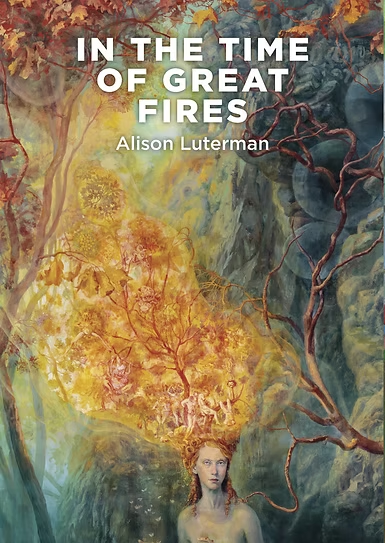
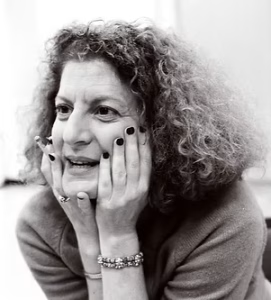
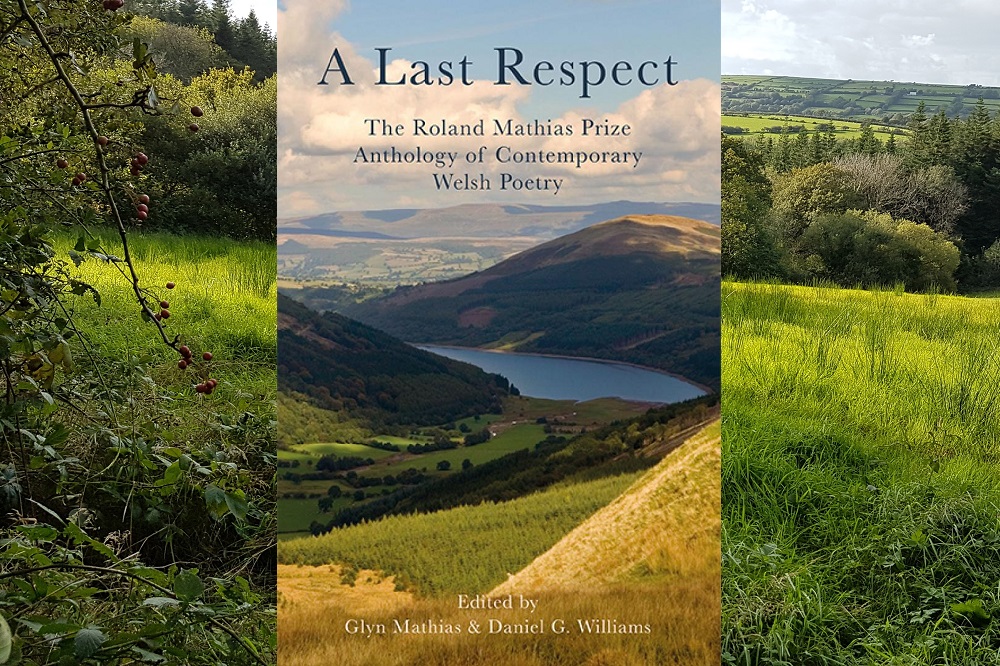 The Last Respect

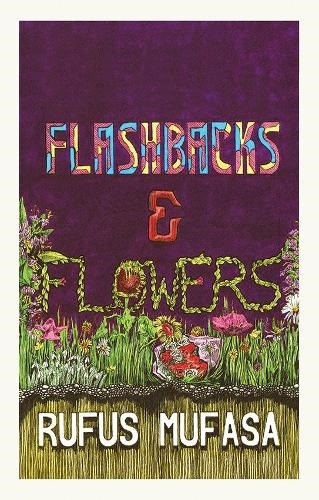 Flashbacks and Flowers
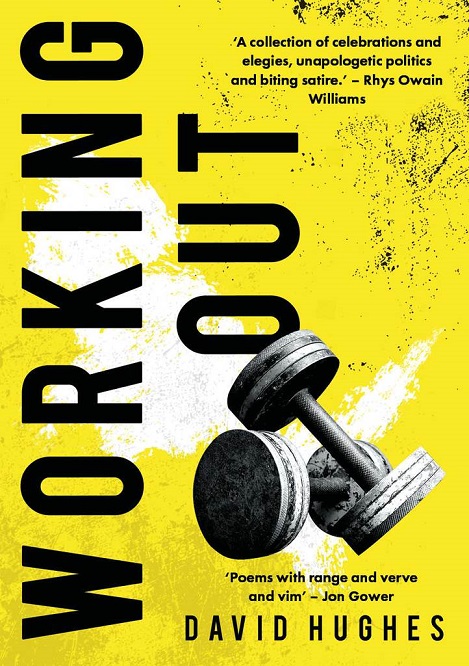 Working Out


 Financial Express is now on Telegram.