Trang chủ Blog Trang 19

Sketching with Cezanne


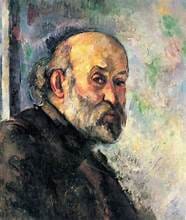
Self-PortraitPaul Cezanne
Self-Portrait
Paul Cezanne

Paul Cézanne

Họa sĩ người Pháp (1839-1906)

Artistic modernism, of course, did not spring fully formed from Cezanne’s head. The French post-impressionist further developed trends already evident in the work of predecessors and contemporaries such as Vincent van Gogh, Paul Gauguin, Paul Signac, and Georges Seurat. But Cezanne went further, moving away from the use of line, texture, and color to reflect our visual perceptions and instead using them as tools for representing what he believed to be the inner truths behind these perceptions. We see in the paintings of Cezanne, more clearly than in the work of any other impressionist or post-impressionist, the seeds of Paul Klee, Vasily Kandinsky, Mark Rothko, and Joan Miro. It is thanks to this revolution that Cezanne helped bring about, a revolution that synthesized Renaissance artists’ interest in mathematical precision with the impressionists’ and post-impressionists’ concerns with subjectivity, that his place in the history of modern art is assured.

Cezanne’s reputation rests on his paintings, including his popular paintings of card players, his famous series of still lifes of apples, and his even more famous cycle of paintings of Mont Sainte-Victoire in Aix-en-Provence. Far lesser known yet also rather significant in their own right are Cezanne’s multitudinous drawings. Though they are not all as sublime and splendidly executed as his paintings, their sheer number, and the time and attention that Cezanne clearly devoted to them, mean that it would be a mistake to ignore them when considering his legacy. The Museum of Modern Art in New York’s exhibit “Cezanne Drawing,” on display now through Sept. 25, ensures that no viewer of this show will ever be guilty of this error again.

“Cezanne Drawing” is a methodical, narrowly focused exhibition three years in the making, organized by MoMA curators Jodi Hauptman and Samantha Friedman. From it, we learn that Cezanne drew nearly every day and that he was just as capable of creating compelling works of art with pencil and paper as he was with paints and brushes. Like his paintings, Cezanne’s drawings showcase an artist meticulously observing man and nature while attempting to depict them conceptually rather than representationally. They display the tension, present throughout his work, between representation and abstraction, as well as his pioneering ability to depict the various dimensions of space not through Renaissance-style perspective but through an almost shocking flatness.

In Cezanne’s pencil-and-ink sketch Deux etudes de baigneurs (Two Studies of Bathers, 1872-75), a more conventional drawing from his art school years, we see how he began to break free from the impressionism of his former artistic heroes, such as Camille Pissarro, and move toward proto-abstract ways of depicting the human figure. Although from a distance it appears that these two standing male nudes are drawn in the precise, geometrically accurate manner of much post-Renaissance art, a closer look reveals that Cezanne, instead of using straight, solid, single lines, uses winding, repeating, and multiple lines. Here we see the artist not as confident constructor but as hesitant searcher, probing for a different, more dynamic way of articulating forms and space.

Cezanne’s experimental, investigative nature is also on view here in his 1877-81 sketches Page of Studies, Including a Portrait of Goya. This series of disembodied faces and limbs reveals an artist thinking through drawing, clarifying his conceptions about form and space through repetition, returning again and again to his sketchbook to draw forms and figures he has already sketched before. Cezanne’s style of experimenting through repetition would reach its high-water mark later, in 1904-1906, with his famous series of richly colored oil paintings of Mont Sainte-Victoire. But it was in sketchbooks such as this one and in other series of sketches displayed here, such as his sensual 1875-78 After the Cupid Attributed to Puget and 1875 miniature At the Edge of the Pond, that he began to cultivate the techniques that would enable him to scale the artistic heights of painting.

“Cezanne Drawing” is advertised as an exhibit on Cezanne’s sketches, so we come expecting to see a good deal of work solely in black and white. Still, the relative paucity of color is jarring, like buying a ticket to a Roger Federer practice session and finding out that he’ll only be working on second serves. Color was crucial for Cezanne in his attempts to help instigate a Copernican revolution in Western art, and an exhibit that gives us only a diminished look at his color cannot help but feel diminished in turn. Nonetheless, “Cezanne Drawing” is a valuable contribution to our understanding of Cezanne’s development as an artist, and therefore of the development of modern art as a whole.


Những đột phá nghệ thuật không giống như những đổi mới trong khoa học hay kỹ thuật, thường có thể bắt nguồn từ công trình của một nhà phát minh duy nhất. Ví dụ, James Joyce không “tìm ra” nền văn học hiện đại mà chỉ tinh chỉnh một số khuynh hướng hiện đại hóa đã phát triển từ trước khi ông bắt đầu viết. Nhưng tâm lý con người vốn như vậy, chúng ta thích ghi nhận công lao cho cá nhân. Và nếu ai đó hỏi nghệ sĩ nào xứng đáng được ghi nhận nhiều nhất cho sự ra đời của chủ nghĩa hiện đại trong hội họa, thì câu trả lời có thể là Paul Cezanne (1839-1906).

Tất nhiên, chủ nghĩa hiện đại nghệ thuật không xuất phát hoàn toàn từ đầu óc của Cezanne. Họa sĩ hậu ấn tượng người Pháp này đã phát triển thêm các xu hướng đã thể hiện rõ trong tác phẩm của những người tiền nhiệm và đương thời như Vincent van Gogh, Paul Gauguin, Paul Signac và Georges Seurat. Nhưng Cezanne đã đi xa hơn, không sử dụng đường nét, kết cấu và màu sắc để phản ánh nhận thức thị giác của chúng ta nữa mà thay vào đó sử dụng chúng như những công cụ để thể hiện những gì ông tin là sự thật bên trong đằng sau những nhận thức này. Chúng ta thấy trong các bức tranh của Cezanne, rõ ràng hơn trong tác phẩm của bất kỳ họa sĩ trường phái ấn tượng hay hậu ấn tượng nào khác, hạt giống của Paul Klee, Vasily Kandinsky, Mark Rothko và Joan Miro. Nhờ cuộc cách mạng này mà Cezanne đã góp phần tạo nên, một cuộc cách mạng tổng hợp mối quan tâm của các nghệ sĩ thời Phục hưng về độ chính xác toán học với mối quan tâm của các họa sĩ trường phái ấn tượng và hậu ấn tượng về tính chủ quan, mà vị trí của ông trong lịch sử nghệ thuật hiện đại được đảm bảo.

Danh tiếng của Cezanne dựa trên các bức tranh của ông, bao gồm các bức tranh nổi tiếng về những người chơi bài, loạt tranh tĩnh vật về quả táo nổi tiếng của ông và thậm chí là loạt tranh nổi tiếng hơn về Mont Sainte-Victoire ở Aix-en-Provence. Ít được biết đến hơn nhưng cũng khá quan trọng theo đúng nghĩa của chúng là các bức vẽ vô số của Cezanne. Mặc dù không phải tất cả chúng đều tuyệt vời và được thực hiện lộng lẫy như tranh của ông, nhưng số lượng lớn chúng, cùng với thời gian và sự chú ý mà Cezanne dành cho chúng, có nghĩa là sẽ là một sai lầm nếu bỏ qua chúng khi xem xét di sản của ông. Triển lãm “Cezanne Drawing” của Bảo tàng Nghệ thuật Hiện đại tại New York, đang diễn ra đến hết ngày 25 tháng 9, đảm bảo rằng không một khán giả nào của chương trình này sẽ mắc phải lỗi này nữa.

“Cezanne Drawing” là một triển lãm có phương pháp, tập trung hẹp được thực hiện trong ba năm, do các giám tuyển của MoMA là Jodi Hauptman và Samantha Friedman tổ chức. Từ đó, chúng ta biết rằng Cezanne vẽ gần như mỗi ngày và ông có khả năng tạo ra các tác phẩm nghệ thuật hấp dẫn bằng bút chì và giấy cũng như bằng sơn và cọ vẽ. Giống như các bức tranh của mình, các bức vẽ của Cezanne thể hiện một nghệ sĩ tỉ mỉ quan sát con người và thiên nhiên trong khi cố gắng mô tả chúng theo khái niệm hơn là theo biểu tượng. Chúng thể hiện sự căng thẳng, hiện diện trong suốt tác phẩm của ông, giữa biểu tượng và trừu tượng, cũng như khả năng tiên phong của ông trong việc mô tả các chiều không gian khác nhau không phải thông qua góc nhìn theo phong cách Phục hưng mà thông qua sự phẳng lặng gần như gây sốc.

Trong bản phác thảo bằng bút chì và mực Deux etudes de baigneurs (Hai nghiên cứu về người tắm, 1872-75) của Cezanne, một bức vẽ thông thường hơn từ những năm học trường nghệ thuật của ông, chúng ta thấy cách ông bắt đầu thoát khỏi trường phái ấn tượng của những người hùng nghệ thuật trước đây của mình, chẳng hạn như Camille Pissarro, và chuyển sang những cách trừu tượng nguyên mẫu để miêu tả hình người. Mặc dù nhìn từ xa, có vẻ như hai bức tượng nam khỏa thân đứng này được vẽ theo cách chính xác, chính xác về mặt hình học của nhiều tác phẩm nghệ thuật hậu Phục hưng, nhưng khi nhìn kỹ hơn, ta thấy rằng Cezanne, thay vì sử dụng các đường thẳng, rắn, đơn, thì lại sử dụng các đường quanh co, lặp lại và nhiều đường. Ở đây, chúng ta thấy nghệ sĩ không phải là người xây dựng tự tin mà là người tìm kiếm do dự, thăm dò một cách khác, năng động hơn để diễn đạt các hình thức và không gian.

Bản chất thử nghiệm, điều tra của Cezanne cũng được thể hiện ở đây trong các bản phác thảo Page of Studies, bao gồm cả Portrait of Goya năm 1877-81 của ông. Loạt khuôn mặt và tứ chi không có thân xác này cho thấy một nghệ sĩ đang suy nghĩ thông qua bản vẽ, làm rõ các quan niệm của mình về hình thức và không gian thông qua sự lặp lại, liên tục quay lại sổ phác thảo của mình để vẽ các hình dạng và hình ảnh mà ông đã phác thảo trước đó. Phong cách thử nghiệm thông qua sự lặp lại của Cezanne sẽ đạt đến đỉnh cao sau này, vào năm 1904-1906, với loạt tranh sơn dầu màu sắc rực rỡ nổi tiếng của ông về Mont Sainte-Victoire. Nhưng chính trong những cuốn sổ phác thảo như thế này và trong các loạt phác thảo khác được trưng bày ở đây, chẳng hạn như tác phẩm gợi cảm năm 1875-78 After the Cupid Attributed to Puget và bức tranh thu nhỏ năm 1875 At the Edge of the Pond, mà ông bắt đầu trau dồi các kỹ thuật giúp ông đạt đến đỉnh cao nghệ thuật của hội họa.

“Cezanne Drawing” được quảng cáo là một cuộc triển lãm về các bản phác thảo của Cezanne, vì vậy chúng tôi mong đợi được xem rất nhiều tác phẩm chỉ có màu đen và trắng. Tuy nhiên, sự khan hiếm tương đối về màu sắc lại gây khó chịu, giống như việc mua vé đến buổi tập của Roger Federer và phát hiện ra rằng anh ấy chỉ tập giao bóng thứ hai. Màu sắc đóng vai trò quan trọng đối với Cezanne trong nỗ lực thúc đẩy một cuộc cách mạng Copernican trong nghệ thuật phương Tây, và một cuộc triển lãm chỉ cho chúng ta cái nhìn hạn chế về màu sắc của ông không thể không cảm thấy hạn chế theo thời gian. Tuy nhiên, “Bản vẽ của Cezanne” là một đóng góp có giá trị cho sự hiểu biết của chúng ta về sự phát triển của Cezanne với tư cách là một nghệ sĩ, và do đó là sự phát triển của nghệ thuật hiện đại nói chung.

Source link

Disney Kicking Off First Ever World Princess Week With Merchandise, Photo Ops, Sweet Treats, and More

On August 23, Disney will be kicking off the first-ever World Princess Week as a continuation of the Ultimate Princess Celebration. The week promises to be full of special Princess merchandise, photo-ops, and sweet treats available at Disney Parks around the globe.

Walt Disney World

The Family Play Zone at EPCOT will be rethemed to Princess Tiana for the EPCOT International Food & Wine Festival and “The World’s Most Magical Celebration.”

On Aug. 26, little princesses can take part in a Princess Promenade at the AdventHealth Waterside Stage in Disney Springs. This will be from 2:00 p.m. to 6:00 p.m. that day only, and young guests are encouraged to wear costumes. There will also be a princess-themed entertainment performance.


Also at Disney Springs, there will be three art expression walls themed to the “Tales of Courage and Kindness” storybook collection.

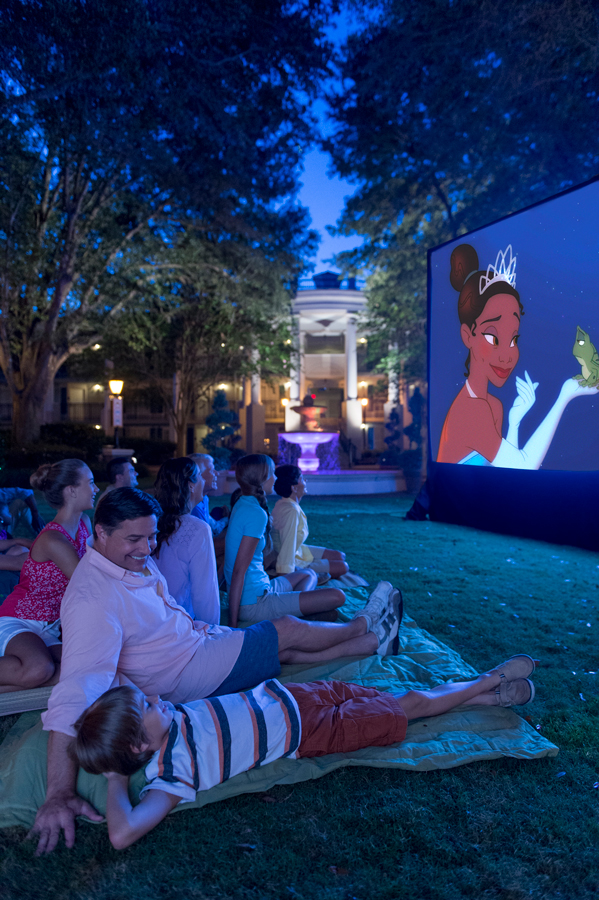
princess-tiana-movie

Movies Under the Stars at Walt Disney World Resorts will feature Disney Princess movies all week long.

Treats old and new inspired by the 14 Disney Princesses and “Frozen” queens will also be available.

disney-springs-princess-treats

Amorette’s Patisserie, Disney Springs

  • Tiana Petit Cake – Dark chocolate chiffon cake, raspberry mousse, raspberry pâte fruit, and chocolate crisp pearls

The Ganachery, Disney Springs

  • Princess Chocolate Bars – Ganache chocolate bars featuring Jasmine, Ariel, and Snow White
resorts-princess-treats

World Premiere Food Court, Disney’s All-Star Movies Resort

  • Mulan and Rapunzel Cookies – Sugar cookie featuring Mulan or Rapunzel

Landscapes of Flavors, Disney’s Art of Animation Resort

  • Mermaid Cupcake – Vanilla cupcake filled with pineapple topped with coconut buttercream and a white chocolate mermaid tail

Contempo Café, Disney’s Contemporary Resort

  • Cinderella Cupcake – Vanilla cake with vanilla crème custard filling, buttercream, white chocolate slipper, and fondant pumpkin (available now through September 30)
resorts-princess-treats-2

Goods to Go, Conch Flatts General Store, and Turtle Shack Poolside Snacks, Disney’s Old Key West Resort

The Artist Palette, Disney’s  Saratoga Springs Resort & Spa

  • Snow White Cupcake – Vanilla cupcake with spiced caramel apple filling topped with caramel buttercream, red chocolate dip, and a red bow

Capt. Cook’s  and Kona Island, Disney’s Polynesian Village Resort

  • Moana Cupcake – Vanilla cupcake, toasted coconut mousse, and vanilla buttercream with white chocolate Moana accent piece
resorts-princess-treats-3

Everything Pop Shopping and Dining, Disney’s Pop Century Resort

  • Aurora Cupcake – Vanilla cupcake filled with marshmallow topped with strawberry buttercream, gold chocolate crown, and sprinkles

Le Petit Café,  Disney’s Riviera Resort

  • Belle Cheesecake – Lemon cheesecake with lemon curd in a vanilla tart shell decorated with modeling chocolate to resemble Belle
blizzard-beach-princess-treats

I.C. Expeditions and Warming Hut, Disney’s Blizzard Beach Water Park

  • Elsa Freeze Sundae – Vanilla soft-serve ice cream with a blue raspberry swirl topped with sleigh ride winter sprinkles and a while chocolate Elsa topper

I.C. Expeditions, Disney’s Blizzard Beach Water Park

  • Elsa the Snow Queen Cone – Crystalized white chocolate waffle cone, vanilla soft-serve, and spiraled frozen fractals

Creature Comforts, Disney Animal Kingdom Theme Park

  • Pocahontas Dessert – Pineapple banana cake with cream cheese coconut mousse and colored sprinkles glazed in turquoise glaçage and finished with a chocolate gem, chocolate feather, and sugar flower
epcot-princess-treats

Block & Hans, EPCOT

Oasis Sweets & Sips, EPCOT

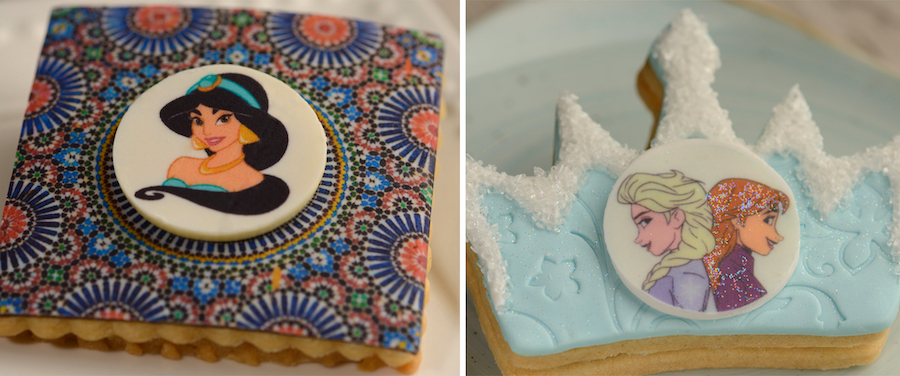
  • Mosaic Cookie – Sugar cookies sandwiched with apricot jam and topped with mosaic fondant and chocolate Jasmine

Sunshine Seasons, EPCOT

  • Sisters Cupcake – Strawberry cupcake with strawberry filling and strawberry buttercream topped with a chocolate crown

Traveler’s Café, EPCOT

  • Sisters Cookie – Sugar cookies sandwiched with chocolate ganache and garnished with chocolate Elsa and Anna

The Trolley Car Café, Disney’s Hollywood Studios

  • Seaside Brownie – Brownie topped with chocolate fudge, graham cracker crumbs, and seaside-themed chocolate
  • Merida Cupcake – Yellow cupcake filled with a mixture of green, red, orange, and black sprinkles with green and burnt orange buttercream, gold crisp pearls, and chocolate arrow
magic-kingdom-princess-treats

Prince Eric’s Village Market, Magic Kingdom Park

  • Mermaid Slushy – Frozen blue raspberry and frozen green apple topped with whipped cream and a mermaid tale

Cinderella’s Royal Table, Magic Kingdom Park

  • Cinderella Slipper – White chocolate or milk chocolate slipper filled with chocolate mousse and raspberry coulis garnished with fresh berries

Disneyland Resort

disney-princess-breakfast-adventure-3

Disney Princess Breakfast Adventures is returning to Napa Rose at Disney’s Grand Californian Hotel & Spa on August 26.

princess-flip-flops

At Downtown Disney District, California Sole has Disney Princess Havaianas.

princess-dtd-2

At The LEGO Store will be new Ariel, Belle, Cinderella, and Tiana’s Story Book Adventure LEGO sets with a Princess Storybook. Downtown Disney District will also have a Moana photo-op featuring artwork from the “Tales of Courage and Kindness” storybook collection.

princess-madelines-5

At Maurice’s Treats, guests can enjoy the Princess Madeleine Trio.

Disneyland Paris

Entertainment, sweet treats, and extra surprises with the Disney princesses like Jasmine, Merida, and “Frozen” queens Anna and Elsa await you at Disneyland Paris! There will be new exclusive Selfie Spots and Magic Shots to enjoy and capture unforgettable royal memories. The resort will also have a special range of products celebrating World Princess Week in a selection of shops and restaurants. Visit disneylandparis.com for more information.

Hong Kong Disneyland

At Hong Kong Disneyland, you’re likely to see some of your favorite Disney Princess heroes. From August 23 through August 29, you may also hear the brand-new Ultimate Princess Celebration anthem “Starting Now,” sung by global superstar and Grammy Award-winning recording artist Brandy. You’ll be singing along before the song is over during World Princess Week at Hong Kong Disneyland!

Aulani, a Disney Resort & Spa

moana-sundae

Over in Hawaii at Aulani, A Disney Resort & Spa, wave “aloha” to Moana, who set sail back to the islands just a few months ago. While you’re there, treat yourself to the Moana Dole Whip Fresh Fruit Sundae. It features DOLE Whip pineapple in a crispy waffle bowl topped with fresh pineapple, sprinkles, and a white chocolate image of Moana. “Delicious” doesn’t even begin to cover this one! Little ‘Opihi’s also has a Chocolate Dipped Banana with Macadamia Nuts, featuring an image of Moana made of white chocolate.

New Courage and Kindness Products and Digital Offerings

In keeping with the spirit of the celebration, a range of new products will launch during World Princess Week from brands such as Enchanted Disney Fine Jewelry, Lokai, and Love Your Melon, all of which emphasize kindness through charitable giving. Additional products from Hasbro, JAKKS Pacific, the LEGO Group, Funko, ColourPop Cosmetics, and others will also hit retailers globally.

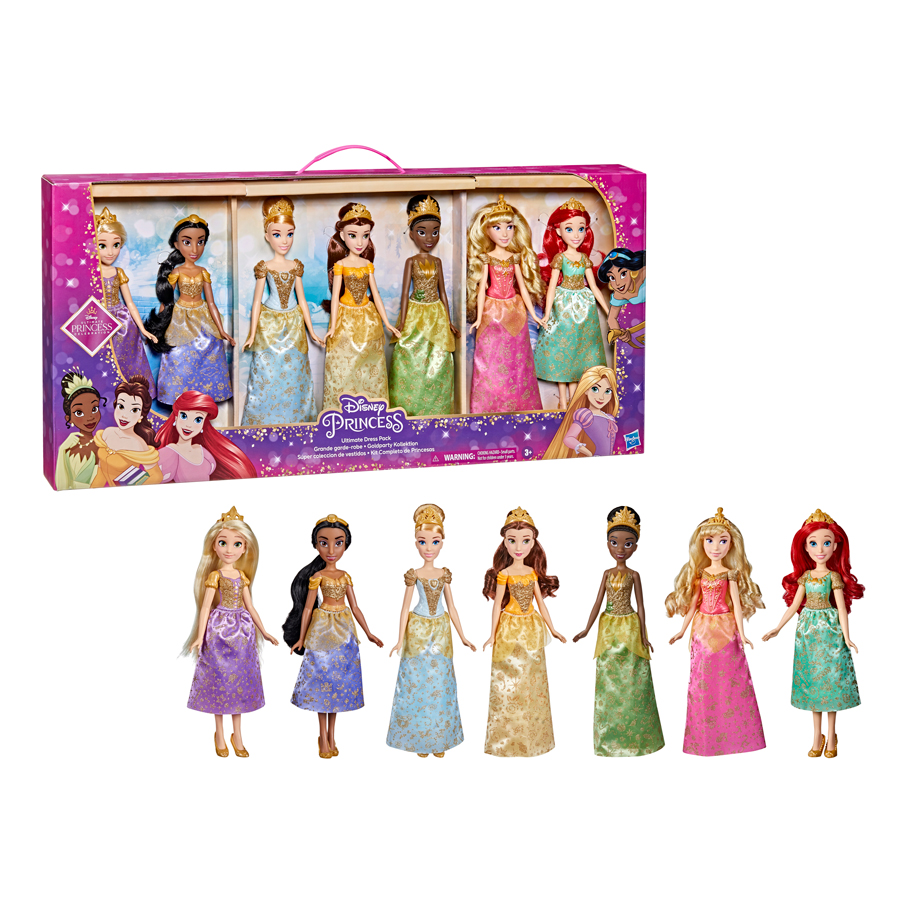
princess-dolls

An all-new Disney Designer Collection Princess Doll from shopDisney.com will launch each month, with 12 designs, starting with Princess Jasmine in October. There are also two new Disney nuiMOs plush characters: Princess Ariel and Princess Jasmine.

princess-apparel
princess-clothes

The new Princess Loungewear collection will launch on shopDisney.com and at Disneyland Resort and Walt Disney World Resort just in time for World Princess Week on Aug. 23. Among the new items are cute T-shirts and super soft velour sweatshirts and jogger pants featuring fairytale lyrics, Princess silhouettes, and aspirational Princess mottos.

princess-pandora

Pandora Jewelry is celebrating too, with beautiful Pandora charms featuring Cinderella, Tiana, and Jasmine. Hand-finished in sterling silver with vivid pops of colors, these are the perfect accessory for World Princess Week and year-round!

princess-emojis

World Princess Week is also being celebrated on the mobile game, Disney Emoji Blitz! To kick off the week’s festivities, they’re running a brand-new Pocahontas Villain event from August 18-22. Then, be sure to log in on Aug. 23 to collect one FREE “Frozen” Emoji: Queen Elsa or Queen Anna! As you complete events and missions, you’ll automatically collect Princess Tokens all month long, which can earn you Disney Princess Emojis including Belle, Rapunzel, Tiana, Moana, Jasmine, Ariel, and Cinderella! Download Disney Emoji Blitz now for free with in-app purchases on the App Store and Google Play.

princess-books

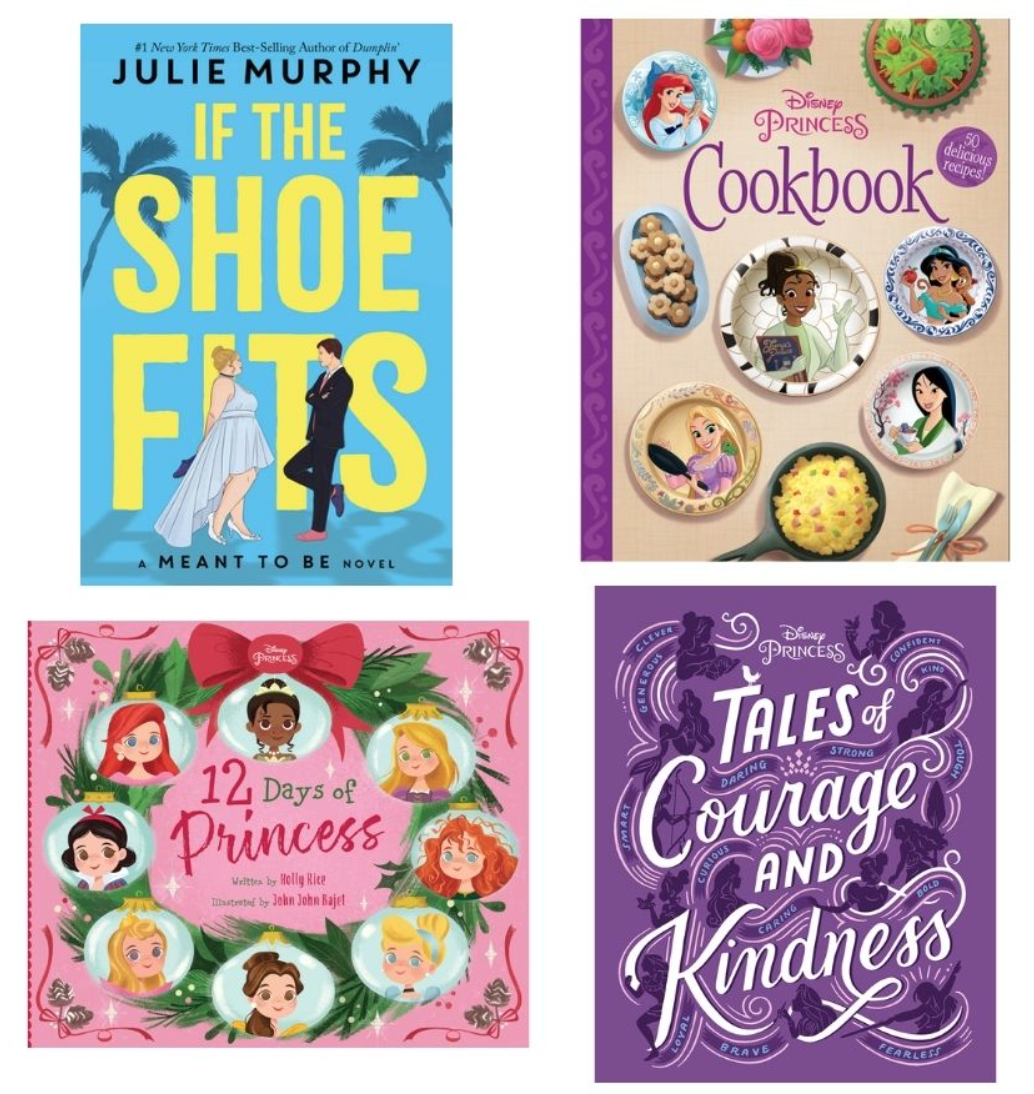
New titles launching from Disney Publishing Worldwide include a rom-com reimagining inspired by Cinderella’s story called “If the Shoe Fits,” fifty delicious kid-friendly recipes in “The Disney Princess Cookbook,” and a holiday-inspired picture book called “12 Days of Princess.” Lastly, a hardcover deluxe storybook collection called “Tales of Courage and Kindness,” which features 14 original stories and artwork inspired by the iconic Disney Princesses and “Frozen” heroes, will be available for fans in early October.

princess-hotline

In other Princess news, shopDisney’s Ultimate Princess Celebration Hotline will launch on Aug. 23, this time with all-new recorded messages from five Disney Princess characters who can be reached by contacting 1-877-70-DISNEY, and two “Frozen” queens, Anna and Elsa, who can be heard only by visiting shopDisney.com.

izabela-rose-dara-renee-ruth-righi

To wrap up the week of celebration, Disney Channel will unveil an all-new music special, “Disney Princess Remixed – An Ultimate Princess Celebration,” Friday, Aug. 27 (7:30 p.m. EDT/PDT). The half-hour special will celebrate the empowering attributes of Disney princesses and “Frozen” queens through reimagined performances of their iconic songs. GRAMMY Award-winning recording artist Brandy will also debut her music video for “Starting Now.” “Disney Princess Remixed – An Ultimate Princess Celebration” will also be available on Disney+ same day in select markets, including the U.S.

As always, keep following WDWNT for all of your Disney Parks news, and for the absolute latest, follow WDW News Today on Twitter, Facebook, and Instagram.

Source link

Bài tập thở hỗ trợ phục hồi cho bệnh nhân COVID-19

0

Thứ Sáu, ngày 20/08/2021 01:00 AM (GMT+7)

Thực hiện các bài tập thở này để tăng cường lượng oxy và dung tích phổi.

Số ca mắc COVID-19 trong cộng đồng từ 27/04/2021

Xem thêm số liệu dịch COVID-19 >

Nguồn: Bộ Y tế – Cập nhật lúc 02:14 20/08/2021

STTTỉnh thànhCa nhiễm mới
hôm nay
Tổng Ca
nhiễm
Ca tử
vong
Ca tử vong
công bố hôm nay
 TỔNG+10.639308.5597.115380
1Hà Nội+532.644380
2TP.HCM+4.425164.3425.628307
3Bình Dương+3.25555.60146745
4Đồng Nai+65715.6021310
5Long An+54516.55220817
6Tiền Giang+4785.6191802
7Khánh Hòa+1514.884410
8Đồng Tháp+1855.5541090
9Cần Thơ+1343.146633
10Trà Vinh+5199570
11Vĩnh Long+601.902432
12Bà Rịa – Vũng Tàu02.666250
13Phú Yên+442.32400
14Tây Ninh+1023.819130
15An Giang+701.04840
16Đà Nẵng+1642.547190
17Thừa Thiên Huế035110
18Bình Thuận+431.598182
19Gia Lai041700
20Đắk Nông020600
21Hà Tĩnh+734020
22Nghệ An+4564010
23Bình Định+2451450
24Quảng Ngãi+1652800
25Kiên Giang+1771250
26Quảng Trị+96810
27Bình Phước+831910
28Đắk Lắk055020
29Ninh Thuận+766030
30Bạc Liêu+28400
31Thanh Hóa+614900
32Quảng Bình+47700
33Lạng Sơn+115410
34Quảng Nam+2433720
35Hải Dương+216500
36Hậu Giang+636520
37Lâm Đồng020600
38Nam Định+43700
39Cà Mau06610
40Hưng Yên027310
41Bến Tre01.416522
42Sóc Trăng0655120
43Thái Bình+17000
44Ninh Bình+26000
45Lào Cai09300
46Kon Tum02100
47Sơn La+2611500
48Bắc Giang+75.772140
49Phú Thọ01500
50Điện Biên06100
51Vĩnh Phúc023310
52Hà Nam06900
53Hà Giang02800
54Thái Nguyên01500
55Hải Phòng02600
56Hòa Bình01600
57Tuyên Quang0200
58Bắc Ninh+41.815140
59Lai Châu0100
60Bắc Kạn0500
61Quảng Ninh0700
62Yên Bái0300


Tình hình tiêm chủng vaccine ở Việt Nam

Xem thêm số liệu vaccine COVID-19 >

Nguồn: Cổng thông tin tiêm chủng COVID-19 – Cập nhật lúc 00:00 20/08/2021

Số mũi đã tiêm toàn quốc

Virus SARS-COV-2 được biết đến là nguyên nhân gây ra cuộc “tấn công” dữ dội nhất đối với phổi và hệ hô hấp. Vào thời điểm quan trọng này, khi các nguồn tài nguyên khan hiếm, chúng ta nên trang bị tất cả những gì có thể làm để tăng cường chức năng phổi một cách tự nhiên. Trong đó, tập thể dục và hít thở sâu là điều có thể giúp tăng cường phổi và khôi phục lưu lượng oxy.

Bài tập thở hỗ trợ phục hồi cho bệnh nhân COVID-19 - 1

Các bài tập thở và tăng cường dung tích phổi có thể giúp phục hồi chức năng cơ hoành và cải thiện khả năng thở của bạn. Khả năng thở có thể bị cản trở nếu có bất kỳ tình trạng viêm hoặc tích tụ chất lỏng nào trong phổi hoặc đường dẫn khí. Những bài tập này cũng có thể làm sạch chất nhầy, khôi phục mức độ bão hòa và đối phó với nhiễm trùng tốt hơn.

Các nghiên cứu lâm sàng cũng đã chỉ ra rằng, đối với bệnh nhân COVID, một số kỹ thuật thở dưới đây có thể giúp giảm khó thở và giảm đáng kể các biến chứng.

1. Thở bằng cơ hoành

Bài tập thở hỗ trợ phục hồi cho bệnh nhân COVID-19 - 3

Phương pháp này còn được gọi là thở bằng bụng, thực hiện bài tập này giúp cải thiện chức năng của cơ hoành và đưa nhiều không khí đến đáy phổi, tạo điều kiện cho việc thở dễ dàng.

Để làm điều này, hãy ngồi thư giãn hoặc nằm xuống một cách thoải mái. Đặt đầu lưỡi sau răng cửa trên. Giữ thẳng lưng và nhắm mắt. Cố gắng thở bình thường, sau đó đặt một tay lên ngực và một tay đặt lên bụng.

Hít thở sâu bằng mũi, mở rộng xương sườn và cảm thấy dạ dày của bạn mở ra.

2. Thở mím chặt môi

Bài tập thở hỗ trợ phục hồi cho bệnh nhân COVID-19 - 4

Bài tập thở mím môi là một trong những kỹ thuật tốt nhất để tăng lượng oxy và tập trung vào việc giữ cho đường thở của bạn luôn thông thoáng.

Để làm kỹ thuật này, hãy ngồi ở tư thế thư giãn. Hít vào từ từ bằng mũi trong vài lần, miệng vẫn đóng (Mũi sẽ làm ấm và làm ẩm không khí trước khi nó đến phổi – hít vào bằng miệng không thực hiện được điều này).

Trước khi thở ra, hãy mím môi và sau đó từ từ thở ra hết không khí trong phổi.

Mục đích của thở mím môi là cố gắng thở ra số lượng hơi thở dài hơn bạn hít vào. Thực hiện bài tập này nhiều lần để có lợi ích tối đa.

3. Ngáp cười

Bài tập thở hỗ trợ phục hồi cho bệnh nhân COVID-19 - 5

Bài tập thở này tạo điều kiện thuận lợi cho việc mở các cơ trong lồng ngực, sau đó cho phép cơ hoành mở rộng hoàn toàn và điều chỉnh lưu lượng oxy.

Để thực hiện bài tập này, hãy bắt đầu bằng cách ngồi thẳng lưng.

Đầu tiên, duỗi thẳng cánh tay của bạn ở tầm ngang vai. Tiếp theo, mở to miệng như thể bạn đang cố ngáp. Sau đó, đưa cánh tay trở lại đặt trên đùi và chuyển cái ngáp đó thành một nụ cười.

4. Pranayama

Bài tập thở hỗ trợ phục hồi cho bệnh nhân COVID-19 - 6

Pranayama là một trong những bài tập thở giúp cải thiện dung tích phổi, tăng cường khả năng miễn dịch cũng như làm dịu thần kinh bằng cách điều hòa nhịp thở của bạn.

Để thực hiện pranayama, bắt đầu bằng tư thế bắt chéo chân hoặc quỳ trên mặt đất, ngồi thẳng lưng, vai xuôi nhẹ nhàng, mở rộng cơ thể một chút.

Tiếp theo, hít vào một hơi thật sâu kéo dài đến cột sống và sau đó từ từ thở ra. Giữ nguyên tư thế này trong ít nhất 10 nhịp thở.

5. Anulom Vilom (Thở bằng lỗ mũi thay thế)

Bài tập thở hỗ trợ phục hồi cho bệnh nhân COVID-19 - 7

Anulom Vilom giúp thanh lọc độc tố khỏi phổi, loại bỏ chất lỏng tích tụ dư thừa và điều chỉnh lưu lượng máu có oxy trong phổi. Đây cũng là một cách tuyệt vời để tăng cường khả năng miễn dịch và sức chứa của phổi.

Để thực hiện động tác này, hãy ngồi khoanh chân và đặt tay lên đầu gối. Nhắm mắt và đặt ngón tay cái bên phải lên lỗ mũi bên phải của bạn. Hít sâu từ lỗ mũi trái trong tối đa 4 nhịp thở. Tương tự, bịt lỗ mũi bên trái bằng ngón tay phải và giữ nó. Sau 2 giây, nhấc ngón tay cái bên phải ra và thở sâu.

Một lần nữa, hãy nhớ rằng cần phải từ từ tăng tốc độ và không được cố gắng hết sức. Nếu bạn quan sát thấy sự sụt giảm hoặc dao động trong nồng độ oxy của mình, bạn có thể thực hiện một số bài tập này. Thở về phía trước, hoặc tư thế nghiêng cũng có thể giúp tăng cường lượng oxy nếu được thực hiện thường xuyên.

Nguồn: http://danviet.vn/bai-tap-tho-ho-tro-phuc-hoi-cho-benh-nhan-covid-19-50202120805845.htm

”Mẹ ơi, cố lên”, bài tập thở cho thai phụ phòng COVID-19

Để có một lá phổi khỏe mạnh, các chuyên gia khuyên các thai phụ nên tập các bài tập thở để tăng cường sức cơ hô…

Source link

Indian-Canadian poet Rupi Kaur’s Amazon Prime Video special to debut on Aug. 27 | Entertainment


TORONTO – Renowned Indian-Canadian poet Rupi Kaur is set to debut her first-ever taped show on Amazon Prime Video.

The company says “Rupi Kaur Live” will premiere in Canada and the United States on Aug. 27.

Kaur is a New York Times bestselling author, artist and performer who soared to fame with her poetry collections and illustrations on Instagram, where she has 4.3 million followers.

The one-hour show “Rupi Kaur Live” was filmed in early 2020 at the Orpheum Theatre in Los Angeles.

In the special, she performs poetry from her three books: “milk and honey,” “the sun and her flowers,” and “home body.”

Her website says she also shares funny and intimate stories about the inspiration behind her work, touching on themes of love, sisterhood, trauma, healing, immigration, empowerment and feminism.

This report by The Canadian Press was first published Aug. 19, 2021.

The Canadian Press. All rights reserved.


Source link

Washtenaw Community College to host free monthly STEAM Saturday events for middle schoolers

Washtenaw Community College to host free monthly STEAM Saturday ...

ANN ARBOR – Washtenaw Community College is launching a new series this weekend focused on science, technology, engineering, art and math education for area middle schoolers.

The free, virtual workshops will be led by WCC faculty members each month with the hopes of introducing local students and their families to the world of STEAM and its many career options.

The first workshop to kick off the series will be hosted on Saturday from 1-2 p.m.

The interactive “Not So Random” Math Probability workshop will be led by Megan Richendollar and will feature games, music and a Jeopardy-style game board in which teams can put their probability math skills to the test. All math levels are welcome, and younger and older students as well as family members can register.

Ad

Read: STEAM PARK exhibit in collaboration with Toyota opens at Ann Arbor Hands-On Museum

Below are WCC’s other monthly sessions, according to a release. You may click on the links to register for each event:

  • Sept. 18, STEAM career workshop, Susan Dentel – Learn about exciting STEAM careers by playing a fun game. During this session we will also build a mystery widget using materials from home.
  • Oct. 30, Improv Yourself!, Tracy Jaffe – Dip your toe into improv while building critical thinking and communication skills. Perfect for beginners, this workshop environment will engage critical thinking skills through games that spark thinking outside of the box to open new possibilities and pathways in problem solving.
  • Nov. 6, Science Poetry, Tom Zimmerman, Maryam Barrie and Ernesto Querijero – Students will learn about poems written about science in all its complexity and beauty. Poetry is a powerful way to engage your intellect imaginatively.
  •  
  • Jan. 22, Critters and Climate Change: What Animals are Telling Us About Our Environment, David Wooten – As climate change and global warming continue to threaten natural ecosystems around our planet, animals must continue to adapt in order to survive. This session offers a virtual hands-on look at how certain types of animals are informing us about climate change and what we can do to help.
  • Feb. 12, Cool Chemistry, Tracy and Eric Schwab – This workshop led by WCC chemistry professors will allow students to build molecular models of everyday chemicals, gain experience using various chemicals and equipment, and also solve mysteries and crimes such as coin counterfeiting.
  • March 19, Persuasion from ‘No’ to ‘Yes’: The Pitch Technique, Claire Sparklin – In STEAM fields, it’s important to know and communicate your idea’s worth to stakeholders. Whether it’s communicating with teachers, friends or others, this active “hands-on” session helps students practice the pitch technique to learn how to be more persuasive and start hearing more “Yes!” and less “No.”
  • April 9, Fun with Probability, Nicole Klemmer – Students will explore fun and practical applications of probability and statistics through investigations, games and finding ways to connect probability and statistics to everyday life.
  •  

For more information about Washtenaw Community College, visit www.wccnet.edu.

Copyright 2021 by WDIV ClickOnDetroit – All rights reserved.

<

p style=”text-align: justify;”>

Source link

Highlights: New Novel Trudges Through The Conflicting, Intense Realities Of Motherhood

0
Novels | Iowa Public Radio

A new mother quit her dream job at an art gallery to stay home with her son. Meanwhile, her husband’s work travel has him home on only the weekends. In the isolation of her house and against the cries of her child, she is changing. Her behavior is different. So is her body. She’s beginning to suspect that she might be transforming into a dog.

Rachel Yoder’s much-anticipated book, “Nightbitch,” is having a moment, frequenting must-read lists across the country. On Talk of Iowa, host Charity Nebbe discussed why this book struck a chord with audiences. She discussed the novel and how it brought Yoder to understand her own experience as a mother and her own mother.
[Editor’s note: These highlights from the Aug. 2 interview were edited for length and clarity.]
On the release of “Nightbitch”
Charity Nebbe: “There has been a huge amount of buzz leading up to the release of the novel. It’s now been out for almost two weeks, and the buzz continues. This is really an incredible moment. What is going on with you? How are you doing?”
Rachel Yoder: “Yeah, who knew that the dog mom book would really take off? Yeah, I mean, I’m doing great. I am really getting in touch with the fact that there’s a reason I’m a writer, and that I really enjoy being alone most of my day in a room with my thoughts. And so it’s a big shift to kind of turn more outward and start talking about this writing that has felt very personal that I’ve been working on for years and years. And that was something I’m discussing with people all the time. So it’s been a shifting of gears, but it’s been a nice way also to kind of rejoin society as we’re kind of coming through the pandemic. Nice way to sort of celebrate getting back together.”
On “Nightbitch’s” protagonist and holding fast to other identities, not just mother
Nebbe: “There’s a mother at the center of the book. We never even learn her name. And that is pretty symbolic of her struggle with who she is in this moment. Tou’re going to read us a little something from the novel, but leading up to that, fill in some of the blanks for us.”
Yoder: “… It’s all a little ambiguous. We’re not sure whether it’s just her (the mother’s) anxiety and anger that’s making her think these things are going on, or if they’re actually happening. … This is a very personal book for me.
“Obviously, I never thought I was turning into a dog, but I did struggle a lot in early motherhood because I had been very ambitious myself. I had two MFAs. I had a big writing career planned and a career as an arts worker planned. These were all things that I had wanted and had been very calculating about since I was a girl who grew up on a Mennonite commune in Ohio. You know, I saw what the possibilities were available for me there and said, ‘Oh, no, thank you. I will leave now, and I will have a life.’
“And so I have had a pretty clear vision of this life. So after a lifetime having worked against these scripts that I was given at the Mennonite Commune for how to be a woman, I was arriving at this point, where it just made sense after I have a child within my marriage — financially, logistically — to stop working as a woman in her late 30s. To drop out of the workforce for a number of years and be at home with my child was not something I ever saw coming.
“I was, on one hand, absolutely thrilled to be able to hold my baby and stare at my baby’s face for as long as I wanted to every day. That was something I cherished and I wanted. But after a number of years, I sort of looked around and thought, ‘OK, I’m 40. I have nothing on my resume for the last couple of years. I thought I had a plan that was foolproof, right? But here I am. And what do I do now?’ After two years of not writing; that was another thing that had left me in early motherhood. I just kind of felt absolutely lost. Like I had abandoned myself. And I guess that’s where ‘Nightbitch’ came in.”
Nebbe: “Our society is built so much around what we do that that’s our identity. When you introduce yourself to someone, they want to know your name and what you do. So for a lot of women and men who leave the workforce to care for children, all of a sudden there’s this part of you that feels completely lost.”
Yoder: “I didn’t realize at the time that it was going to be really important for me as a person to hold fast to something that wasn’t motherhood, to identify and be in touch with a part of myself that made me, me — a part of myself that wasn’t in the domestic sphere, that didn’t identify as a mother. And I just let all of that go — as so many of us do — because we’re just so in love with our children, and we want to give everything to them. And now I’m seeing how important that that sort of holding fast to the thing that makes you, you — whether you’re a mother or a father going into parenthood — can be for getting through, especially those like first early years that are so all-encompassing.”
Nebbe: “Yeah, and it’s a transformative process. I think about the early years with my kids and of course, a lot of these struggles sound very familiar to me. But also I don’t feel like I became me until I had kids. So it’s also you’re forging this new identity where you thought you were this person, and now you’re a different person, and that may be better, that may be worse. But it’s like going through puberty again.”
Yoder: “In some ways it is. I mean, the integration can be very painful because where have we seen how to do it? What scripts do we have that show us how to do that? How to integrate these different selves into a new self?
“I have said that this is very much a coming-of-age story. How do I move from girlhood into womanhood and motherhood? How does the main character in this book do it? She does it very inelegantly and chaotically.”
On transformation and motherhood
Nebbe: “Becoming a mother is a transformational process in a lot of ways. And it’s a hard time for a lot of people whether or not they leave the workforce. But if they leave the workforce, it can be a time of this feeling of loss of identity and trying to figure out who you are and what you do. It’s also a time where you don’t have a lot of extra intellectual energy.
“I mean, I worked part-time, half-time for the first five years of being a parent. And I can’t tell you the number of times I felt like somebody was reaching into my head and just tearing my brain in half because there are all these powerful forces and there’s just not a lot left now.
“The character in this book is so isolated, her husband works away from home, just as your husband did. But she also hasn’t found a community, and that’s another weird process that happens with early motherhood, where you have all of these relationships and these friends, and then you bring a child into the world and suddenly all of those relationships are turned upside down. I mean, was that something you wanted to explore, that sense of change and loss?”
Yoder: “Absolutely, and also just how impossible it felt to create that community sort of after you have the child, right? My dad grew up in a big Amish family with 15 kids. So that’s sort of this built-in community of sorts. The older kids take care of the younger kids. Everyone’s there together. I grew up in this Mennonite commune in Ohio where I knew everyone who lived there. I could stop by anyone’s house at any time. It was completely contained. Right? So I wasn’t going to wander off.
“Here in Iowa City, when I was a new mom, where would I even turn to? Not only just make friends but to actually have a community? Like does that even really exist anymore in contemporary secular America? I don’t know. And I think that’s what I really longed for was this return to a time or a place where I knew everyone on my street, and I knew all the kids. And that was already sort of built-in. Right? So when I had a baby, I would already have the sort of support system. And so going to these prefab sort of baby activities was great, you know? It gave me something to do. And it gave Nightbitch something to do in the book. But it was really hard when your brain feels like it’s splitting in two, when you’re sleep-deprived, when your body is all different sorts of things, to then forge an authentic connection.”
On well-meaning husbands and inadequacy
Nebbe: “One of the interesting choices that you made in the book is in exploring the relationship with her husband. I thought you did a really beautiful, nuanced job of exploring what really is a healthy relationship and a happy marriage and a well-meaning husband — and yet they find it hard to communicate.”
Yoder: “I definitely put a lot of thought into the husband character because I didn’t want him to just be a singularly bad guy. I wanted him to be a husband. Like many husbands I know who have a job, support their family doing their thing, and are maybe not as emotionally intelligent or empathetic as they could be. Who isn’t as willing to sort of delve into emotions as he could be and how Nightbitch negotiates her marriage with him. You know, how is she able to finally get him to hear her? What does she need to do to change the dynamic? And I think at a certain point, she has this realization that, ‘Oh, I need to start asking for things. I need to start saying this isn’t working for me.’ Can we change it instead of sitting in silence?”
Nebbe: “Which is a very familiar thing to her.”
Yoder: “Coming into her own sort of voice and power and being able to negotiate that, instead of feeling wounded by this sort of dynamic and just sitting in silence, because I think so much of the beginning of the book is her not being able to advocate for herself, not being able to say what’s going on with her and being very isolated, very secretive and just having all of her rage and frustration play out, but only for her. It’s only when she finally is able to show that to other people, little bit by little bit that she’s able to show it to her husband. That’s when she starts to change those relationships and shift into better relationships with those folks.”
On fiction, reconciliation and Yoder’s own mother in “Nightbitch”
Nebbe: “Some of this was clearly autobiographical for you in writing about this mother who raised many children and was committed to her children but was not in a position to pursue her own identity outside of the family, outside of growing up on a Mennonite commune. And yet, you know, in your character, she, through motherhood, develops a much deeper understanding of her own mother. Is that something that you went through?”
Yoder: “Yeah, I mean, I think that was a big surprise in writing this and a blessing in many ways. There’s a center part in the book that’s a flashback. I struggled with that part the most. I almost completely just took it out at one point. Why do we need this? Why do we need to know about her Mennonite roots? But I do think that for so many people coming into motherhood, it reframes how you think about your own mom, right? And you begin to understand better what were they doing, why did they act that way?
“I definitely had that sort of aha moment with my own mom where — and obviously it’s not a nonfictional depiction of her in the book by any means — but I did sort of see how talented and capable and competent my mom was at so many things. From a very early age, I just had the sense that my mom can do anything, you know? Like she’s so amazing. And meanwhile, she never needed anything. She never took anything for herself. She never said, ‘Well, I’m going to do this or that because it fills up my cup.’ It was always this sense of duty and being a good wife and a good mother. And she was very supportive of all of my academics, very supportive of me getting as far away from home as possible. And I see that now as like a real act of love. That she saw that.
“After a lifetime of having trouble with my mom, not knowing how to talk to her — and of course, leaving the Mennonite church, which was a whole other thing — but coming back now in middle age to say, ‘Oh, I see you. I’m your daughter and I can see you. I see how amazing you are and thank you.’ That feels like a huge gift from the book.”
On readers and their reaction to “Nightbitch”
Nebbe: “The book is an entertaining read. It’s hilarious at parts; it’s gut-wrenching at parts. And I mentioned, of course, there’s this whole supernatural arc, but we’re not digging too deeply because I don’t want to ruin it for anybody because that was the most fun part of the ride. But it’s also, as a mother and a woman, I found it to be a really cathartic experience to read the book. And as you are now talking to people who have read the book, I’m resisting pouring out my heart and telling you everything that I went through as a young mother. But are people just sharing their stories like crazy?”
Yoder: “Yes.”
Nebbe: “Even though very few of us turn into dogs.”
Yoder: “Yeah, I’m waiting for the person who’s like, ;and also I turned into a dog,’ that would be amazing. But so many women on Instagram DMs and Twitter DMs and email, they’re finding me and just saying, ‘Yup, this is me,’ and telling me their very personal stories, which I feel incredibly honored to hear.
“I think we’re all just ready to talk about it, especially after the pandemic when so many women left the workforce and we were all stuck at home with our families and our kids. People are ready to have this discussion. And I think ‘Nightbitch’ is a conduit for that. It’s a way to sort of open up the discussion of motherhood and child care and dreams, ambition and how these are all handled or not handled within our society.”

<

p style=”text-align: justify;”>


Source link

Veteran Chennai artist S Murugesan’s retrospective show covers his decades-long interaction with sculptures

0

S Murugesan at the gallery   | Photo Credit: RAGU R

Veteran artist S Murugesan’s retrospective show features sketches created over the pandemic amid seminal sculptures of his from the ’70s

Lalit Kala Akademi in Greams Road once again looks alive. The gallery, which remained empty through the lockdowns, now welcomes visitors with abstract sculptures in bronze, aluminium and copper, as well as framed sketches and pastels — a curated collection of veteran artist S Murugesan’s work spanning decades, titled ‘Visual Treasure: A Retrospection.’ The display juxtaposes the artist’s latest works created over the pandemic, with those that date back to even the 1960s.

Clad in white, with an affable demeanour, Murugesan greets anyone who walks in. As he sits down to talk, many stories crowd his mind. Still active, the 88-year-old artist starts his day with a notepad and pen. “Who knows when an idea might strike?” he asks.

On some days, drawings unfold, while on others, he meditates with an idea for hours on end. Perhaps, this explains how the artist, a prominent figure of the Madras Art Movement and former Principal of Government College of Fine Arts , managed to continue creating through the pandemic.

One of the bronze sculptures on display

| Photo Credit: RAGU R

The body of work on display constitutes only a fourth of his collection; it gives his much renowned, large-scale stone sculptures and oils, a miss.

Murugesan began his sculpting with wood. “But I was not happy with the medium, because I was not able to preserve it,” he says. Metals like bronze, copper, aluminum and stone soon became his preferred mediums.

Woman, a sculpture fashioned by him in 1962, stands tall in the gallery — hollowed out, yet with curves that outline a woman’s body.

An ever-changing form

Link, another one of his popular works done in 1973, a bronze sculpture that morphs into unfamiliar, yet grounding shapes, is also a showstopper — “it signifies the link between the universe and the earth. Without this link, there would be no growth,” he says, adding, “The original works [of the two] were done in wood, and later I converted them into bronze.”

A six-month-old aluminium sculpture created out of discarded vessels shows an evolved style with animalistic figure in motion, rooted in spokes. Krishna, on the other hand, is one of his more detailed works that depicts an ambiguous figure, wielding a flute in its hand, as life surrounds it. “A lot of related elements came to my mind while working on this. How the air is playing the music, and how the trees and snakes move to this music…” he says. Some works, he says, invite him to distort the form after the original is made in clay — a lot of such distortions lend other dimensions to the work, leaving the audience to interpret.

Murugesan with his drawings done over the pandemic

| Photo Credit: RAGU R

“There are two basic aspects in sculpting — the depth and the projection. It is the only medium that absorbs all the movements that keep changing in your mind,” says the artist. Though his love for sculptures knows no bounds, the artist believes that paintings, sketches and drawings are where it all begins.

About the series of drawings that he worked on during the pandemic, he says, “It’s been nearly two years now. Some of the drawings denote the effect of the pandemic. I was preoccupied with thoughts about suffering, and how the pandemic continues to dominate us all.” The pen drawings, in contrast to his sculptures, leave no pockets of spaces — they are crowded, intense and often denote distress. While some are realistic manifestations of the artist’s observations, others are abstract meditations on the pandemic. On some, verses from the Thirukkural, written in both Tamil and English, can be seen lining the corners.

One of the bronze sculptures on display

| Photo Credit: RAGU R

Murugesan’s decades-long relationship with art has led him to experience the changing landscapes. Viewers’ shorter attention spans and fluctuating interest towards art worries him.

“Changes in art movements are also very rapid. Unless you follow that very keenly, you can’t appreciate it. In the past 100 years, already two -isms have taken place — modernism and postmodernism,” he says. This is not the case in any other country. He points out the example of Picasso’s Guernica and how it has still not been sold to anyone, since it is a masterful piece of work that the public love. “Art is a common language. It is the only form through which you can register your feelings, according to your senses.”

The works will be on display till August 31at Lalit Kala Akademi, Greams Road, Chennai


S Murugesan tại phòng trưng bày Ảnh: RAGU R

Triển lãm hồi tưởng của nghệ sĩ kỳ cựu S Murugesan giới thiệu những bức phác họa được sáng tác trong thời kỳ đại dịch, xen lẫn với các tác phẩm điêu khắc tiêu biểu của ông từ thập niên 1970.

Lalit Kala Akademi trên đường Greams Road lại trở nên sống động. Phòng trưng bày, vốn vắng lặng trong suốt thời gian phong tỏa, nay chào đón khách tham quan bằng những tác phẩm điêu khắc trừu tượng bằng đồng, nhôm và đồng đỏ, cùng các bức phác họa và tranh màu phấn — một bộ sưu tập được tuyển chọn từ nhiều thập kỷ sáng tác của nghệ sĩ S Murugesan, mang tên “Visual Treasure: A Retrospection”. Bộ sưu tập đặt song song những tác phẩm mới nhất được sáng tác trong đại dịch với các tác phẩm từ tận thập niên 1960.

Trong trang phục trắng và phong thái thân thiện, Murugesan chào đón bất kỳ ai bước vào. Khi ngồi xuống trò chuyện, nhiều câu chuyện ùa về trong tâm trí ông. Ở tuổi 88, ông vẫn miệt mài sáng tác, bắt đầu mỗi ngày với một cuốn sổ và cây bút. “Ai biết được khi nào ý tưởng sẽ đến?” ông nói.

Có ngày ông vẽ liên tục, có ngày lại ngồi thiền với một ý tưởng hàng giờ. Có lẽ chính điều này lý giải cách ông — một gương mặt nổi bật của Phong trào Nghệ thuật Madras và nguyên Hiệu trưởng Trường Cao đẳng Mỹ thuật Chính phủ — vẫn tiếp tục sáng tạo trong suốt thời kỳ đại dịch.

Một tác phẩm điêu khắc bằng đồng trưng bày tại triển lãm Ảnh: RAGU R

Các tác phẩm trưng bày chỉ chiếm một phần tư trong toàn bộ bộ sưu tập của ông; những tác phẩm điêu khắc đá quy mô lớn và tranh sơn dầu nổi tiếng không được đưa vào lần này.

Murugesan bắt đầu sự nghiệp điêu khắc với gỗ. “Nhưng tôi không hài lòng với chất liệu này, vì không thể bảo quản lâu dài,” ông chia sẻ. Sau đó, kim loại như đồng, đồng đỏ, nhôm và đá trở thành chất liệu ưa thích của ông.

Tác phẩm “Woman” do ông sáng tác năm 1962 đứng sừng sững trong phòng trưng bày — rỗng bên trong nhưng đường cong lại khắc họa rõ hình dáng cơ thể người phụ nữ.

Hình thái luôn biến đổi

Tác phẩm “Link” (1973), một điêu khắc bằng đồng với hình khối biến hóa lạ thường nhưng vững chãi, cũng là điểm nhấn của triển lãm — “Nó tượng trưng cho mối liên kết giữa vũ trụ và trái đất. Không có sự liên kết này thì sẽ không có sự phát triển,” ông nói, đồng thời cho biết: “Nguyên bản của cả hai tác phẩm đều được làm bằng gỗ, sau đó tôi chuyển sang đồng.”

Một tác phẩm bằng nhôm mới sáu tháng tuổi, được tạo từ những vật dụng bỏ đi, thể hiện phong cách tiến hóa với hình dáng động vật đang chuyển động, gắn liền với các nan hoa. Trong khi đó, Krishna là một tác phẩm chi tiết hơn, khắc họa hình dáng mơ hồ cầm sáo trong tay, xung quanh là sự sống. “Nhiều yếu tố liên quan xuất hiện trong tâm trí tôi khi làm tác phẩm này. Không khí tạo nên âm nhạc, cây cối và rắn cũng chuyển động theo âm nhạc đó…” ông chia sẻ. Một số tác phẩm, theo ông, mời gọi ông bóp méo hình dáng sau khi nguyên bản bằng đất sét đã hoàn thành — những biến dạng này mang đến chiều kích khác cho tác phẩm, để khán giả tự diễn giải.

Murugesan với các bức vẽ thực hiện trong đại dịch Ảnh: RAGU R

“Có hai yếu tố cơ bản trong điêu khắc — độ sâu và sự nhô ra. Đây là loại hình duy nhất hấp thụ mọi chuyển động thay đổi trong tâm trí bạn,” ông nói. Dù tình yêu dành cho điêu khắc vô hạn, ông tin rằng hội họa, phác họa và vẽ chính là điểm khởi đầu của mọi sáng tạo.

Về loạt tranh vẽ trong thời kỳ đại dịch, ông chia sẻ: “Đã gần hai năm rồi. Một số bức vẽ phản ánh tác động của đại dịch. Tôi bị ám ảnh bởi những suy nghĩ về sự đau khổ, và cách mà đại dịch tiếp tục chi phối tất cả chúng ta.” Những bức vẽ bằng bút, trái ngược với điêu khắc của ông, không để lại khoảng trống — chúng dày đặc, mãnh liệt và thường biểu thị sự căng thẳng. Một số là hiện thực từ quan sát của ông, số khác là những suy tưởng trừu tượng về đại dịch. Trên vài bức, có thể thấy các câu thơ từ Thirukkural được viết bằng cả tiếng Tamil và tiếng Anh ở các góc.

Một tác phẩm điêu khắc bằng đồng trưng bày tại triển lãm Ảnh: RAGU R

Mối quan hệ kéo dài hàng thập kỷ với nghệ thuật đã giúp Murugesan trải nghiệm sự thay đổi của bối cảnh nghệ thuật. Ông lo lắng về sự giảm sút thời gian chú ý và sự quan tâm thất thường của khán giả đối với nghệ thuật.

“Những thay đổi trong các phong trào nghệ thuật cũng rất nhanh chóng. Nếu không theo sát, bạn sẽ khó mà cảm nhận được. Trong 100 năm qua, đã có hai trào lưu lớn — chủ nghĩa hiện đại và hậu hiện đại,” ông nói. Điều này không xảy ra ở bất kỳ quốc gia nào khác. Ông lấy ví dụ về Guernica của Picasso, một kiệt tác chưa từng được bán cho ai, vì công chúng yêu thích nó. “Nghệ thuật là ngôn ngữ chung. Đó là hình thức duy nhất qua đó bạn có thể ghi lại cảm xúc của mình, theo cảm nhận của các giác quan.”

Các tác phẩm sẽ được trưng bày đến hết ngày 31 tháng 8 tại Lalit Kala Akademi, Greams Road, Chennai.

Source link

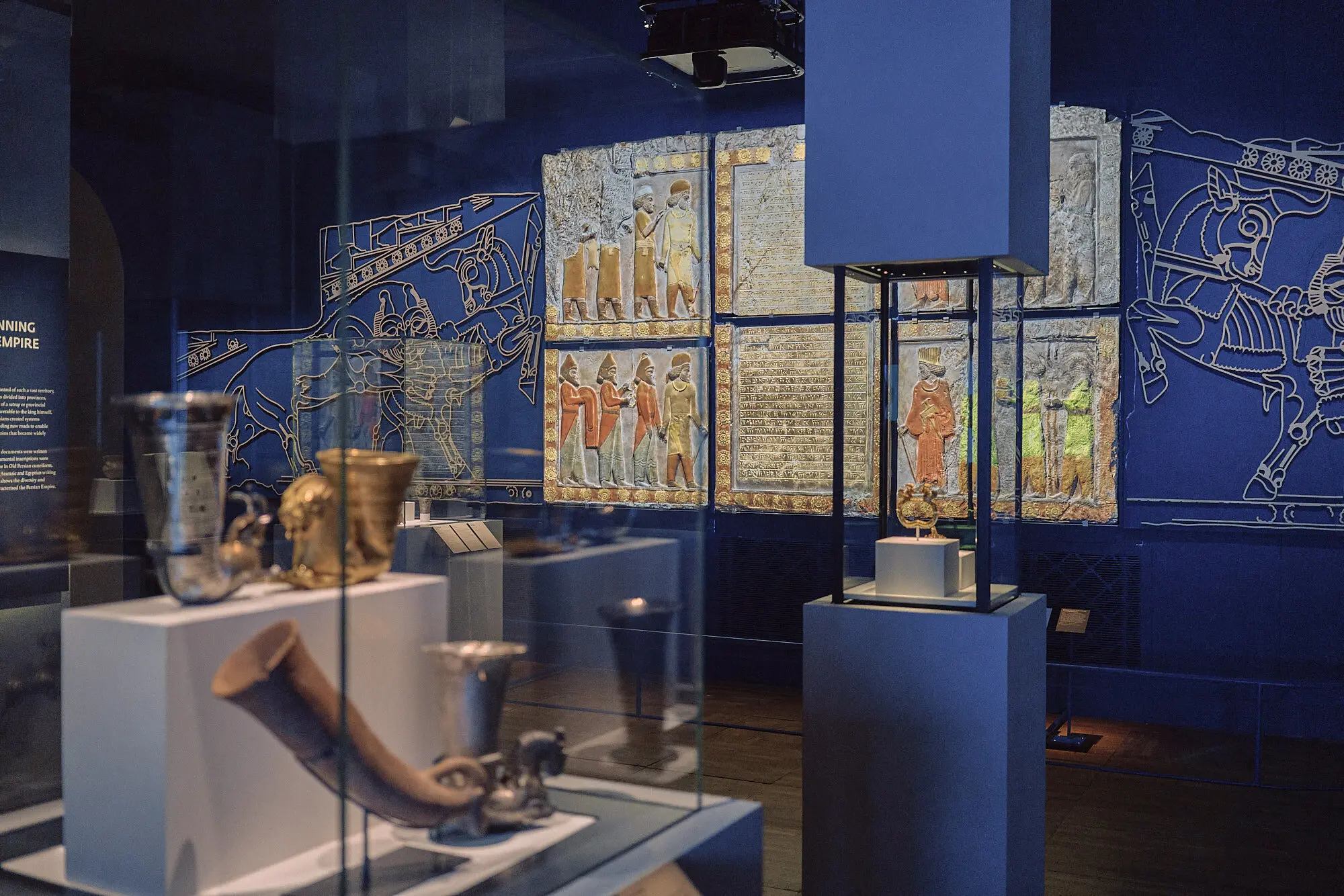
Epic Iran: Ancient objects that reveal writing’s roots

By Kelly Grovier | 19th August 2021

An exhibition about Iran traces how some of the world’s earliest scripts developed. They were as much about images as text, writes Kelly Grovier.


Looking Beyond the Ayatollah to the Treasures of Iran – The New …
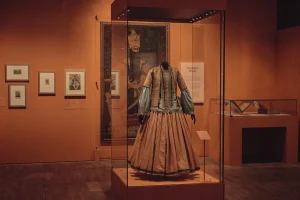
Some pieces of 19th-century women’s clothing on display in “Epic Iran.”Credit...Tom Jamieson for The New York Times
Some pieces of 19th-century women’s clothing on display in “Epic Iran.”Credit…Tom Jamieson for The New York Times

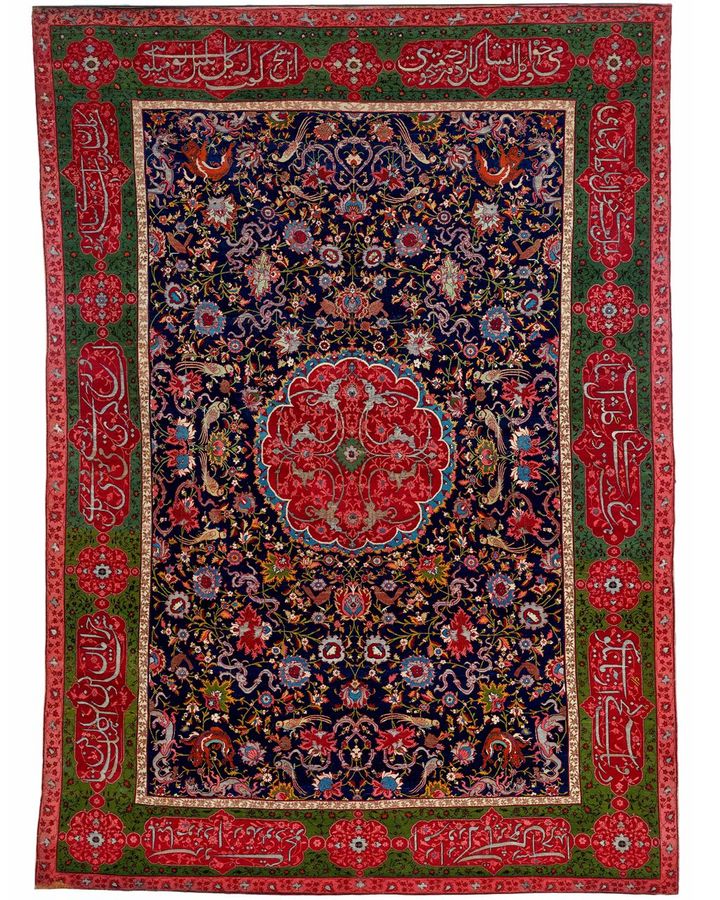
“What more do you want from your time here?” The existential question, posed by the 14th-Century Persian poet Hafiz, is woven into a dazzling 16th-Century carpet that is among the treasures showcased in the Victoria & Albert Museum’s vast exhibition Epic Iran, 5000 Years of Culture, and in the lavishly produced catalogue that accompanies the show. Thornily thought-provoking in itself, the probing fragment of verse belongs to a sequence of five couplets from a ghazal (a medieval Arabic verse-form typically devoted to the subject of love) that is stitched into the border of the silk, wool, and metallic-thread carpet, providing a calligraphic frame for the pattern of intricately interlocking flowers and birds that sprawls across the textile.

Thảm muối (1560-80) là một phần của nhóm do Safavid Shahs ủy nhiệm làm quà tặng cho đền thờ, đồ nội thất và quà tặng ngoại giao (Nguồn: Bảo tàng Victoria và Albert, London)
The Salting Carpet (1560-80) is part of a group commissioned by Safavid Shahs as shrine donations, furnishings and diplomatic gifts (Credit: Victoria and Albert Museum, London)

At the very centre of the carpet, a rosette bursting with stylised stamens and flaming petals seems at once the lips that whisper the enigmatic lines borrowed from Hafiz and a product of their intoxicating vision: Call for wine. Scatter blossoms. What more/do you want from your time here?/At dawn, the rose spoke these words,/”Nightingale, what are you talking about?”

The lyric weaves a fragrant hallucination, the logic of whose stream-of-consciousness threads are often more evocative and equivocal than clear in a ghazal. The universe is a befuddling dream of “scatter[ed]” images, deceptive scents, and ambiguous utterances. The question is, how do you and I figure in the illusive tapestry of touch and taste, sight and sound? Like the indeterminate relationship between Hafiz’s poem and the design it encircles on the hypnotising carpet, we too are juxtaposed mysteriously against the warp and weft of a world we are at once a part of, and are merely passing through like the eye of an embroiderer’s needle.

The connection between words and images points to something fundamental about the nature of how we comprehend who we are

The connection, in other words, between words and images – between what is said and what is seen – is poignant and points to something fundamental about the nature of how we comprehend who we are and what more we want from our time here. “The presence of the poetry,” Tim Stanley, co-curator of Epic Iran tells BBC Culture, “makes the carpet not just a thing you sit on and not just a pretty pattern. It’s got this poem on it which shows that it belongs to a sophisticated world.”

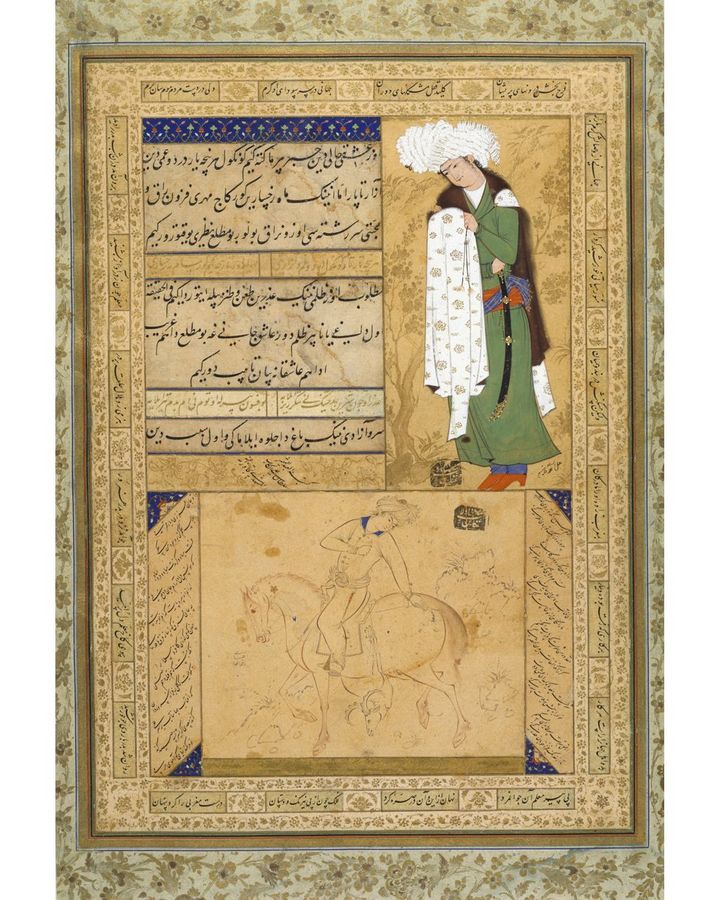
Ancient Persian objects, such as this album leaf (1600-1700), reveal how the visual and the verbal were intertwined (Credit: Victoria and Albert Museum, London)
Very sophisticated. No culture has ever appreciated that elusive relationship between syllable and sight more profoundly than Iran, which for millennia has celebrated the fascinating friction between sound and vision in its art, and placed that synergy at the heart of its aesthetic achievement. “There is some sort of thing going on between the pattern and the poem,” says Stanley. “They really do not in any way match each other. But they are appropriately juxtaposed. The couplets on the carpet refer to birds and flowers. There are birds and flowers in the design of the carpet too, but they are not the same birds and flowers and they are not foregrounded in the way that you would expect if it was a direct relation between the patterns on the carpet and the poem.”Speaking together
If not a “direct relationship”, how can we characterise the alluring symbiosis between what the carpet seems to say and what it purports to show? Clearly, the imagery of the carpet does not “illustrate” the poem. Nor is the poem in any sense a “caption” on the imagery. Instead, the two cohere holistically, and form something greater than the sum of its parts. Such a merging of art for the eye and ear, or synphrasis (meaning “to speak together”), is the spirit that enlivens many of the masterpieces of the V&A exhibition. For many Iranians, that intriguing intertwinement of word and image is felt in the blood, and felt along the heart. It is part of who they are. “The way the poetry relates to art,” Stanley says, “goes beyond the idea of a narrative supplying a story which you depict in an illustration.”
Though verbal and visual arts are often conceived separately in the West, their intrinsic entanglement in cultural consciousness in Persia can be traced back to the very inception of writing in the region. Among the first objects that visitors to Epic Iran will encounter is a small clay tablet discovered in Susa, an ancient city in the lower Zagros Mountains, in 1905. Archaeologists believe the tablet, written in Proto-Elamite script, was created as early as the 4th millennium BC, making it one of the very oldest known written documents ever excavated. Its curious syntax of inscribed crosses, crescents, and lunar discs, which are thought to tabulate the yield of a handful of fields, suggests just how intricately intertwined the patterns of visual and verbal communication were from the start.

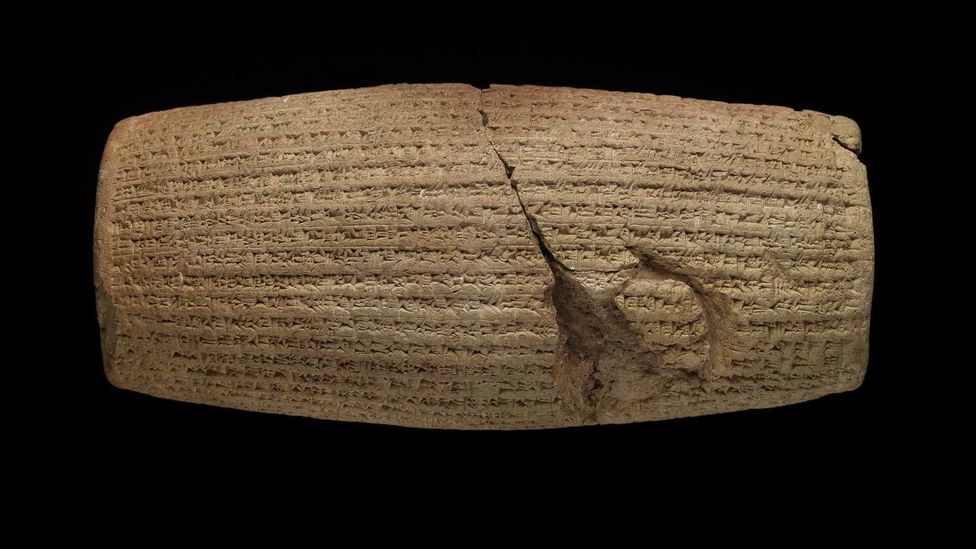
The Cyrus Cylinder features a Babylonian account of the conquest of Babylon by Cyrus in 539 BC (Credit: The Trustees of the British Museum)

Fast forward 25 centuries, and that same instinct to bobbin together with a single thread an object to behold and a text to read is a key contour of one of the most cherished items in the exhibition. The so-called Cyrus Cylinder, created between 539 and 538 BC, is a barrel-shaped ceramic that chronicles the conquest of Babylon by Cyrus the Great. Remarkably, it also records Cyrus’s seemingly compassionate resolve to allow people deported by the previous king of Babylon to return to the city and to bring with them statues that had been removed from their vanquished temples.
The tubular tablet, whose text conceptually rewinds as you spin it, suggests a ceaselessness to Cyrus’s command. Its physical shape and the shape of its message are coterminous and without end. “It’s sort of iconic,” Stanley says, (describing the Cyrus Cylinder as “the standout object in terms of an art object that’s loved in Iran”) “and very close to people’s identity as Iranians. It gives an idea of the attitude of the founder of the Persian Empire about how he’s going to deal with all these non-Iranian people… It’s a very unexpected shape. Considering the size of most cuneiform documents that come down to us, it’s quite large and impressive.”
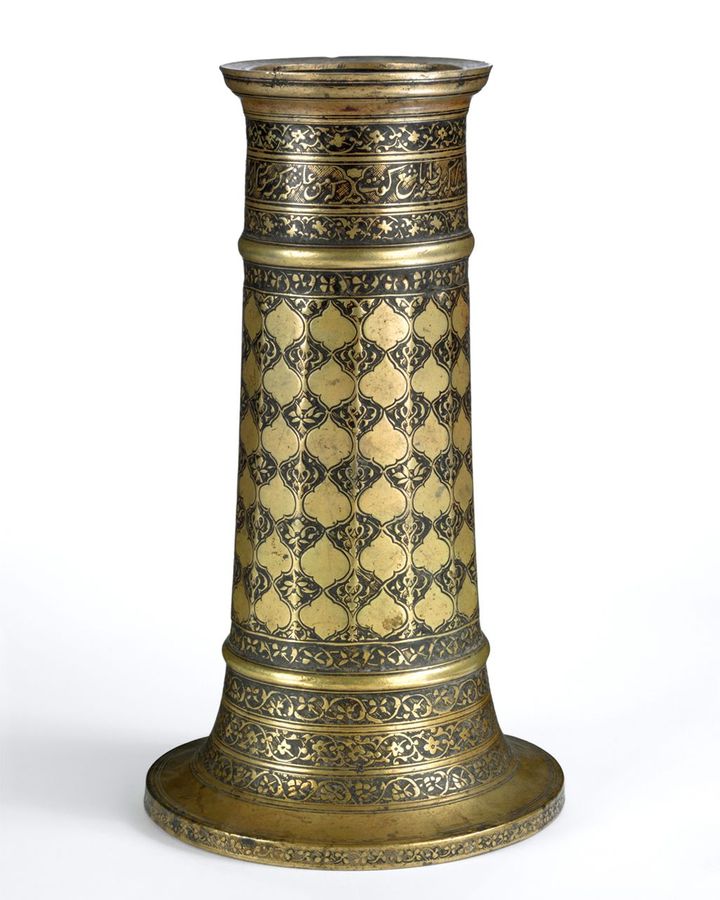
That same sensitivity to the synergism of physical shape and linguistic meaning invigorates the trove of treasures showcased in the section of Epic Iran devoted to “Literary Excellence”. Though seemingly far removed from the concerns of an antique fragment boasting of a bygone Babylonian conquest, an exquisite copper torch stand from around 1600 – on which are engraved a pair of charming couplets by a predecessor of Hafiz, the 13th-Century Persian poet Sa’di – reveals how that early inclination to merge shape and syllable continued to flicker undiminished for centuries. Around the top of the 28cm-tall torch stand, an extract from a poem by Sa’di imagining an intimate chat between a moth and a candle animates the static object with unexpected poignancy and wit: I remember that one night when I lay awake/I overheard a moth in conversation with the candle,/”I’m love-struck,” he said. “So it’s right and proper I should burn./But you, why these tears? Why burn yourself up?”

This torch stand (c 1600) is engraved with poetry by Sa'di, elevating it from a domestic object (Credit: Victoria and Albert Museum, London)
This torch stand (c 1600) is engraved with poetry by Sa’di, elevating it from a domestic object (Credit: Victoria and Albert Museum, London)

The artist who fashioned the torch stand was aware that observers of his handiwork would know by heart the full exchange between the two unlikely interlocutors, and would be able to supply from memory what isn’t explicitly inscribed. The candle’s soulful reply to the moth in Sa’di’s poem, that it too has lost its love (its “honey” – a sweet play on the beeswax that melts into waxen tears dripping down the candle’s side) is all the more moving for its absence. The convergence of the torch stand (as a pedestal on which the candle, a symbol of life’s fleetingness) with Sa’di’s lilting lyric, elevates the object from mere utility into something meditative and profound. At the same time, the combination of the two preserves the poet’s words and ensures that it doesn’t dissolve into pointless whimsy.

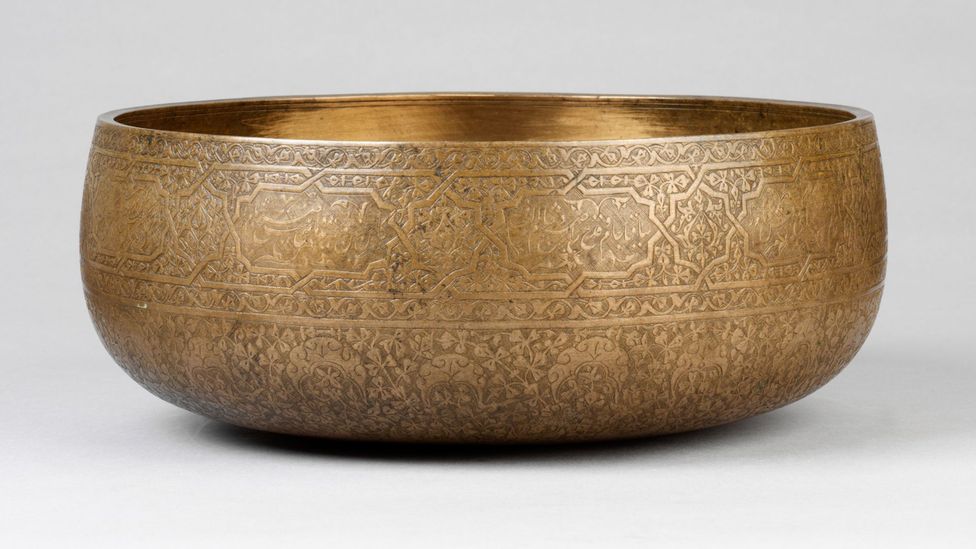
This finely finessed fusion of form, phrase, and function also energises a beautiful bell-metal wine bowl from the early 16th Century. The vessel’s essential union of shape and script is underlined by the unusual appearance on its surface of signatures by both the maker of the vessel, Ustad Muhamud Ali, and the gifted calligrapher, Sultan Muhammad, who interlaces a ghazal by a contemporary poet, Hilali, into a hypnotic design that encircles the bowl.

A wine bowl (1510) displays poetry that creates a metaphor from the act of drinking (Credit: Victoria and Albert Museum, London)

Sultan Muhammad is aware of the perfect compatability of Hilali’s lines with the reflective brilliance of the spun bell-metal interior of the object, whose radiant sheen lures one’s gaze inside the bowl like a flame beckons a moth. “When the beloved observes his rose-coloured cheek in the wine-cup,” the engraved poem begins, “the reflection of his face makes it a fountain of the Sun”. Once again, the merging of the visual and the verbal creates a transcendence that is otherwise unachievable.

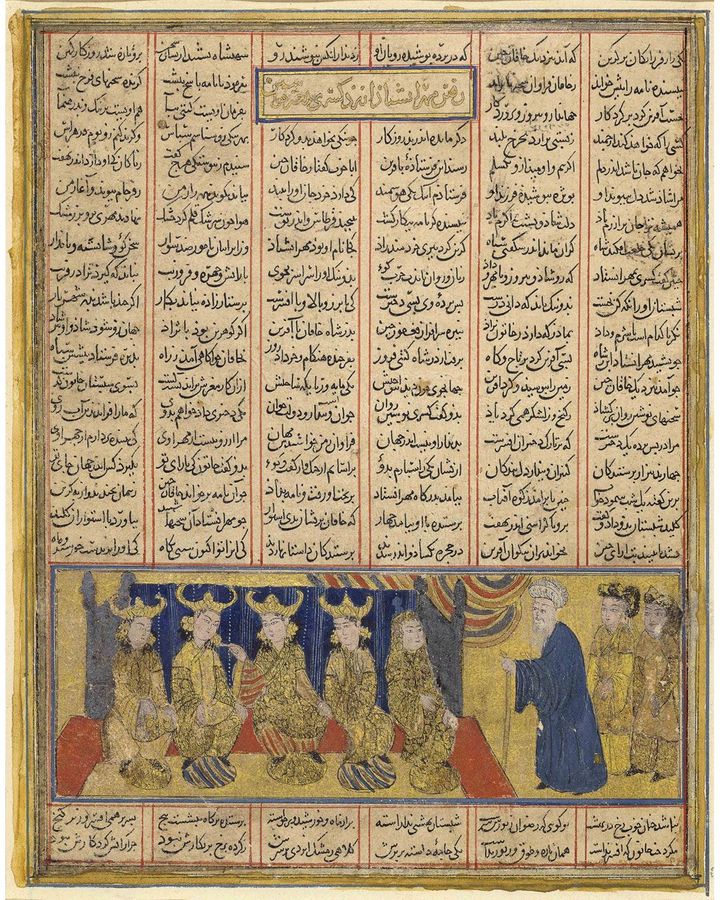
To trace the evolution of this fascinating synergism between language, image, and form in Iranian art, design, and literature is to mark the development of calligraphy, which embodies the blurring of lines between linguistic legibility and pure pattern. The range of manuscripts featured in Epic Iran allows visitors and readers to observe the gradual transformation of calligraphic style from the relatively simple naskh (or “book hand”) script – seen surrounding a watercolour of a court poet reading his verses to the sultan in a 14th-Century folio – to the more elaborate and free-flowing nasta’liq script, in which a lavish 15th-Century collection of Sa’di’s poems is written.

An illustration from Firdowsi's Shahnameh (c 1300), showing an envoy selecting a wife for King Khosrow I, helps reveal the roots of calligraphy (Credit: The Sarikhani Collection)
An illustration from Firdowsi’s Shahnameh (c 1300), showing an envoy selecting a wife for King Khosrow I, helps reveal the roots of calligraphy (Credit: The Sarikhani Collection)

In the past, Western curators, failing fully to appreciate the interdependence of aesthetic parts, all too often severed the beauty and achievement of the calligraphic text from the intensity and wonder of the images it surrounded. Correcting that misconception, which was a notable shortcoming of the last major exhibition in the UK devoted to Iran (almost a century ago, in 1931 at the Royal Academy of Arts), is among the aims of the current exhibition – and of the eloquent catalogue (written by the co-curators Stanley, John Curtis and Ina Sarikhani Sandmann) that accompanies it.

The misapprehension about this fundamental aspect of the Iranian creative imagination is symptomatic of a broader failure fully to appreciate the extraordinary and formative contributions that Iran has made these past five millennia. “The idea of the show,” Stanley explains, “is to foreground the fact that Iran is one of the great civilisations. It doesn’t really get a lot of recognition for that. We wanted to illustrate how incredibly beautiful and interesting the country of Iran is.” To that end, Epic Iran aims to wipe the slate clean, and reset our understanding by retelling the story of civilisation with Iran restored to its position among the crucial cradles of human culture.

“In the 30s,” says Stanley, “people were thinking about the birth of civilisation. They had heard about Ancient Egypt and they knew about the Fertile Crescent, especially Iraq and Mesopotamia. But they didn’t know anything about Iran. And so Iran wasn’t at the table when the birth of civilisation was being talked about. It’s only when Iran’s own archaeologists started to work on sites all over the country in the 60s, nearly, that it was realised that civilisation started in Iran much earlier than people had realised, and that it was much more important and interesting than people had realised.” Remembering where we come from may help us know where we are and where we’re headed, how our syllables fit into the tapestry, and what more we want from our time here.

Epic Iran is at the V&A in London until 12 September 2021.

If you would like to comment on this story or anything else you have seen on BBC Culture, head over to our Facebook page or message us on Twitter.

And if you liked this story, sign up for the weekly bbc.com features newsletter, called The Essential List. A handpicked selection of stories from BBC Future, Culture, Worklife and Travel, delivered to your inbox every Friday.

Source link

Nhà thơ, nông dân và cựu chiến binh Red Deer được tưởng nhớ trong bộ phim tài liệu đoạt giải thưởng

A locally made film about late Red Deer war veteran, poet and farmer Joseph Young (shown here with his wife Nettie) is airing on Telus Optik. It’s called ‘Poetry, War and the Dance of Life,’ created by Red Deerian Randy Kirk. (Contributed photo)

 | Ngày 18 tháng 8 năm 2021


Red Deer poet, farmer and war veteran remembered in award-winning documentary film – Red Deer Advocate

A new documentary about late Red Deer war veteran and poet-farmer Joseph Young is airing on Telus Optik after earning accolades at film festivals across North America and Australia.
Poetry, War and the Dance of Life was made by local filmmaker Randy Kirk with a $50,000 Telus Storyhive grant. Filming was done two years ago, while Second World War survivor, Young, was celebrating his centennial.

The Red Deer-area veteran has since died at age 102 on July 7.
Kirk is pleased to help preserve Young’s story of perseverance over hardship in the 25-minute film. He noted the Second World War experience is a “living history that we are losing” with the death of each veteran.
Poetry, War and the Dance of Life is about a long life, well-lived. But Kirk also considers it a love story of Young and his wife of over 70 years, Nettie, with whom he raised 11 children.
The documentary spans nearly a century — from Young’s adolescence, when he began writing nature poetry at the age of 16, near Carrot River, Sask., to the war, then the farming years beyond.
Young joined the Canadian army in 1941 to fight the Nazis in Europe. While in the 8th Reconnaissance Regiment of the 2nd Canadian Infantry Division, Young landed in France on D-Day.
He later sustained a serious back injury from shrapnel that required six months of rehabilitation.
After four years of fighting, Young returned to Saskatchewan physically and mentally scarred, having lost childhood friends overseas. After the war, he started a new chapter by marrying a 19-year-old girl he met at a dance.
Kirk said he really enjoyed talking to Joe, Nettie, and their children about their life-long romance.
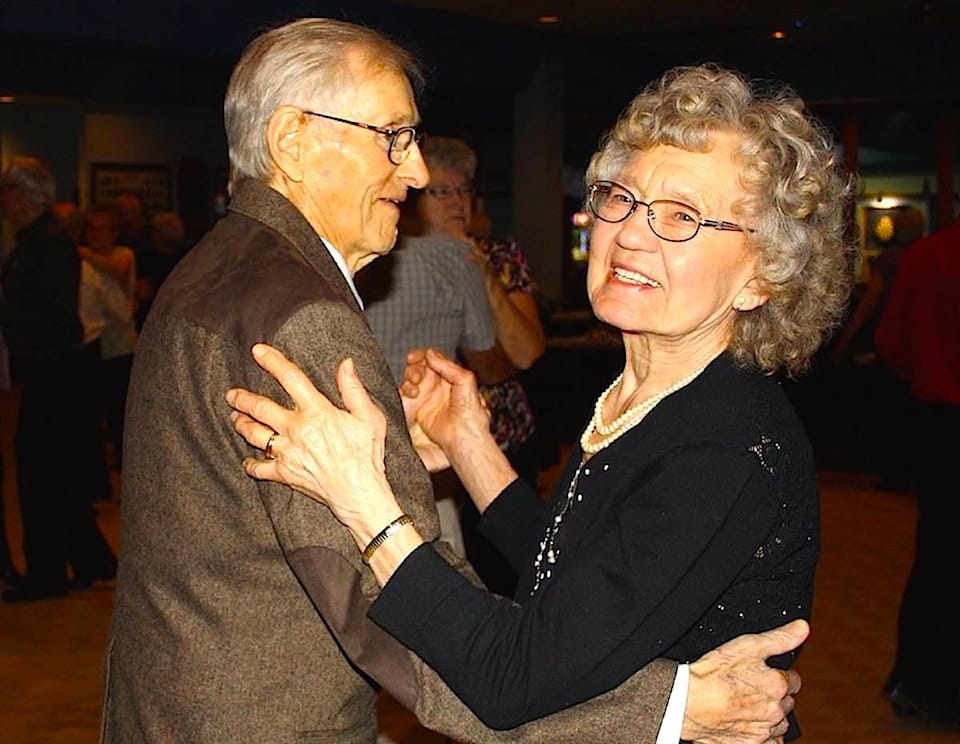
The Youngs, who moved to Central Alberta in the 1960s, attended dances at the Red Deer Legion for as long as their health allowed. Kirk remains struck by their devotion to each other amid the many hardships of raising and providing for 11 kids.
“No matter how hard life was, they were always dancing,” he recalled.
“They were committed to their relationship and making it work, no matter what” — which is a timely lesson in this era of 50 per cent divorce, Kirk added.
The documentary is interspersed with passages of Young’s poetry being read by his children. Kirk believes writing poems helped Young resolve inner turmoil during tough times.
“Thirty to 40 per cent of the poems in his book were about his experiences during the war…. they helped him express the horror…”
The rest were about his love of nature and farming, and about his beloved wife and family.
“Some of his descriptions were just beautiful,” recalled Kirk, who was particularly moved by a poem Young wrote about the harvest moon.
Poetry, War and the Dance of Life, co-produced by Kirk’s partner Linda Pidherney, was screened at film festivals across Canada and the U.S., as well as in Vienna, Austria, and Sydney, Australia, where it won Best Original Score for Red Deer composer Josh Rickard.
The film also earned an Award of Excellence from the Canadian International Short Film Festival in St. John, NB, an Honourable Mention at the Toronto Independent Film Festival, and was an Official Selection at the Docs Without Borders Film Festival and the Canadian International Faith and Film Festival.
Kirk hopes it will be selected for showing at the Central Alberta Film Festival in Red Deer this fall.


Một bộ phim do địa phương sản xuất về cựu chiến binh Red Deer, nhà thơ và nông dân Joseph Young (được chiếu ở đây cùng với vợ là Nettie) đang phát sóng trên Telus Optik. Bộ phim có tên là ‘Thơ ca, Chiến tranh và Vũ điệu cuộc sống’, do Randy Kirk, người Red Deerian, sáng tác. (Ảnh đóng góp)

A locally made film about late Red Deer war veteran, poet and farmer Joseph Young (shown here with his wife Nettie) is airing on Telus Optik. It’s called ‘Poetry, War and the Dance of Life,’ created by Red Deerian Randy Kirk. (Contributed photo)

Một bộ phim tài liệu mới về cựu chiến binh Red Deer, nhà thơ-nông dân Joseph Young đang được phát sóng trên Telus Optik sau khi nhận được nhiều lời khen ngợi tại các liên hoan phim trên khắp Bắc Mỹ và Úc.

Poetry, War and the Dance of Life được thực hiện bởi nhà làm phim địa phương Randy Kirk với khoản tài trợ 50.000 đô la của Telus Storyhive. Việc quay phim được thực hiện cách đây hai năm, trong khi người sống sót sau Thế chiến thứ hai, Young, đang kỷ niệm 100 năm ngày mất của mình.

Cựu chiến binh vùng Red Deer đã qua đời ở tuổi 102 vào ngày 7 tháng 7.

Kirk rất vui khi giúp lưu giữ câu chuyện của Young về sự kiên trì vượt qua khó khăn trong bộ phim dài 25 phút. Ông lưu ý rằng trải nghiệm Thế chiến thứ hai là “lịch sử sống động mà chúng ta đang mất đi” với cái chết của mỗi cựu chiến binh.

Thơ ca, Chiến tranh và Vũ điệu cuộc sống là về một cuộc đời dài, sống tốt đẹp. Nhưng Kirk cũng coi đó là câu chuyện tình yêu của Young và người vợ hơn 70 năm của ông, Nettie, người mà ông đã cùng nuôi dạy 11 đứa con.

Bộ phim tài liệu này kéo dài gần một thế kỷ — từ thời niên thiếu của Young, khi ông bắt đầu viết thơ về thiên nhiên ở tuổi 16, gần Carrot River, Sask., cho đến chiến tranh, rồi những năm tháng làm nông sau đó.

Young gia nhập quân đội Canada vào năm 1941 để chiến đấu với Đức Quốc xã ở Châu Âu. Khi ở Trung đoàn trinh sát số 8 của Sư đoàn bộ binh Canada số 2, Young đã đổ bộ vào Pháp vào Ngày D.

Sau đó, ông bị thương nghiêm trọng ở lưng do trúng mảnh đạn và phải mất sáu tháng để phục hồi chức năng. 

Sau bốn năm chiến đấu, Young trở về Saskatchewan với vết thương về thể chất và tinh thần, mất đi những người bạn thời thơ ấu ở nước ngoài. Sau chiến tranh, anh bắt đầu một chương mới bằng cách kết hôn với một cô gái 19 tuổi mà anh gặp trong một buổi khiêu vũ.

Kirk cho biết anh thực sự thích trò chuyện với Joe, Nettie và các con của họ về chuyện tình lãng mạn suốt đời của họ.

Gia đình Youngs, những người chuyển đến Trung Alberta vào những năm 1960, đã tham dự các buổi khiêu vũ tại Red Deer Legion miễn là sức khỏe của họ cho phép. Kirk vẫn ấn tượng về sự tận tụy của họ dành cho nhau giữa vô vàn khó khăn khi nuôi dạy và chăm sóc 11 đứa trẻ.

“Dù cuộc sống có khó khăn đến đâu, họ vẫn luôn nhảy múa”, ông nhớ lại.

Kirk nói thêm rằng “Họ đã cam kết với mối quan hệ của mình và cố gắng duy trì nó, bất kể điều gì xảy ra” – đây là bài học kịp thời trong thời đại mà tỷ lệ ly hôn lên tới 50%.

Phim tài liệu xen kẽ với những đoạn thơ của Young được các con ông đọc. Kirk tin rằng việc viết thơ đã giúp Young giải quyết được sự bất ổn nội tâm trong những thời điểm khó khăn.

“Ba mươi đến 40 phần trăm các bài thơ trong cuốn sách của ông là về những trải nghiệm của ông trong chiến tranh…. chúng giúp ông thể hiện nỗi kinh hoàng…”

Phần còn lại nói về tình yêu của ông dành cho thiên nhiên và nghề nông, và về người vợ yêu dấu cùng gia đình của ông.

Kirk, người đặc biệt xúc động khi đọc bài thơ Young viết về trăng rằm, nhớ lại: “Một số mô tả của ông ấy thực sự đẹp”.
Poetry, War and the Dance of Life, do đối tác của Kirk là Linda Pidherney đồng sản xuất, đã được trình chiếu tại các liên hoan phim trên khắp Canada và Hoa Kỳ, cũng như tại Vienna, Áo và Sydney, Úc, nơi phim đã giành giải Nhạc phim gốc hay nhất cho nhạc sĩ Josh Rickard của Red Deer.

Bộ phim cũng đã giành được Giải thưởng Xuất sắc từ Liên hoan phim ngắn quốc tế Canada tại St. John, NB, Giải thưởng danh dự tại Liên hoan phim độc lập Toronto và là Lựa chọn chính thức tại Liên hoan phim Docs Without Borders và Liên hoan phim và đức tin quốc tế Canada.

Kirk hy vọng bộ phim sẽ được chọn để trình chiếu tại Liên hoan phim Trung Alberta ở Red Deer vào mùa thu năm nay.

Source link

Bellbottom movie review and release LIVE UPDATES

0


By: Entertainment Desk | New Delhi |
Updated: August 20, 2021 5:37:09 pm


Vaani Kapoor, who plays Akshay Kumar’s love interest in Bellbottom, recently opened up about her experience of working on the film as well. “The makers have kept it a certain way. See, the film is being led by Akshay Kumar’s character. The story is about a plane that gets hijacked. It’s based on these two events that happened in the late 70s and early 80s during Indira Gandhi’s time as the Prime Minister of India. Keeping it very crisp, my part is of this girl who is married to Akshay’s character. She is sweet, refreshing, very lovely. She is also the backbone of his life. As a personality, she is someone who is very level-headed and centered,” said Vaani.


Vaani also told indianexpress.com that it’s not very often that actors like her get a chance to perform a well-written part for a female character. “Yes, there is an emergence of women-driven parts but it’s not that easy. The best ones do go to the bigger, credible actors who’ve already achieved a certain amount of stardom. Having said that, one’s aim is to reach that (stardom/popularity), which is helped by working with actors like Akshay Kumar who has a massive audience,” the actor concluded.
Based on the airplane hijackings that took place in the late 70s and 80s, the Ranjit Tiwari directorial will be available to watch in states where theatres have been allowed to function with 50 per cent seating capacity.


Source link